

![[post_title]](https://samony.com.ng/wp-content/uploads/2025/11/1763869508_Republican-lawmaker-slams-Trump-over-Ukraine-and-warns-of-damaged-1024x683.jpeg?lm=69228348)
Trump’s Ukraine “Peace Plan” Faces Criticism: A Critical Analysis
Donald Trump’s proposed 28-point peace plan to end the Russia-Ukraine war is creating ripples, and not all of them are positive. Nebraska Republican Rep. Don Bacon didn’t mince words, blasting the plan and suggesting it could define Trump’s legacy. His main contention? The plan seems to favor Russia, potentially leaving Ukraine vulnerable.
This plan, as outlined, reportedly requires Ukraine to cede territory, limit its military, and forsake NATO membership. That’s a tough pill for any sovereign nation to swallow, particularly one fighting for its survival. It begs the question: Is this a genuine attempt at peace, or a pathway to further Russian expansion?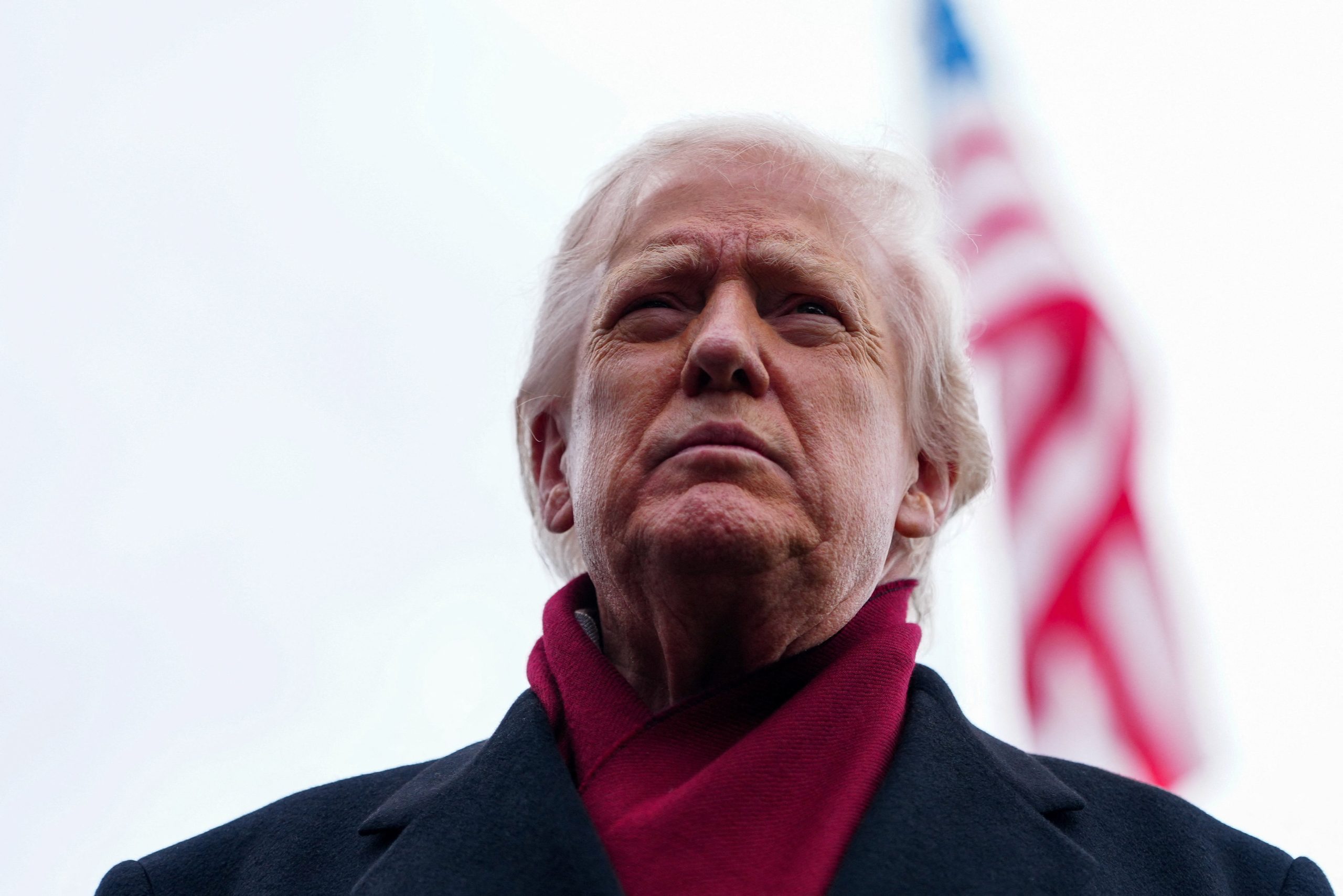 >
>
Bacon isn’t alone in his criticism. He and other members of the Congressional Ukraine Caucus issued a statement rejecting the plan as “unacceptable.” They argue it prioritizes Putin’s interests over Ukraine’s security and sovereignty. The core concern centers on the idea that the plan doesn’t offer a lasting path to peace, but instead demands Ukraine’s surrender. It’s a sentiment echoed by other prominent figures.
Senator Mitch McConnell offered a sharp assessment: “Putin has spent the entire year trying to play President Trump for a fool.” He suggests that prioritizing appeasement over securing genuine peace might require a change in advisors. That’s a powerful statement from within Trump’s own party.
Senate Majority Leader Chuck Schumer used even stronger language, labeling the plan as “capitulation.” He insists that Ukraine needs security guarantees, not one-sided concessions. He understands any viable deal must ensure Ukraine’s freedom and the ability to defend itself.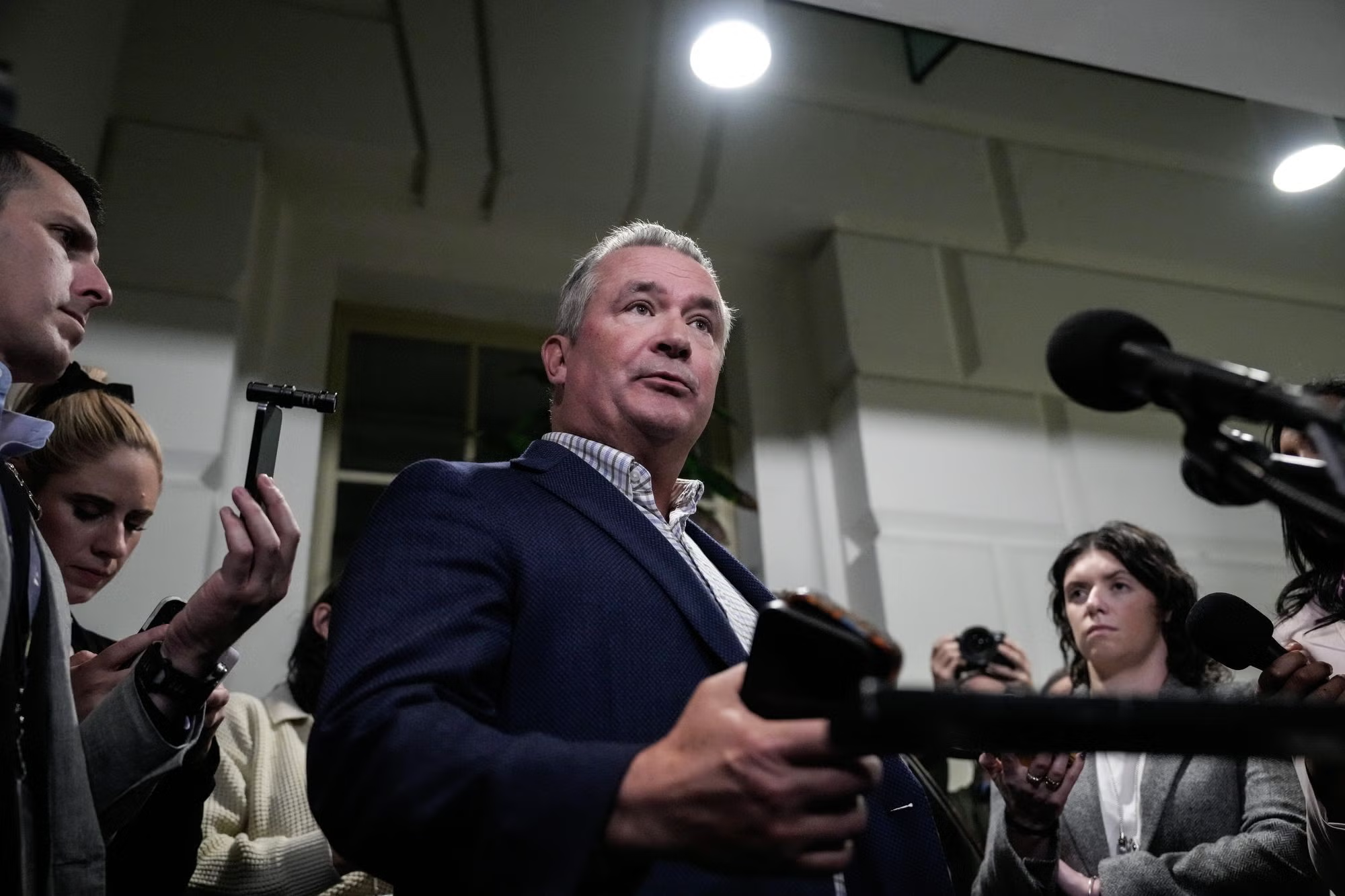 >
>
It’s worth noting that Trump himself has stated this isn’t his “final offer.” However, he also issued a veiled warning: accept the plan, or Ukraine can “continue to fight his little heart out.” These comments raise questions about the pressure tactics being employed.
Ukraine now faces a dilemma: potentially losing dignity or risking the loss of a key partner. These are not easy choices, and the future of the conflict hinges on these deliberations. Top officials from the U.S., Ukraine, and Europe convened in Geneva for discussions, indicating the gravity of the situation.
Adding another layer of complexity, Russian President Vladimir Putin has seemingly welcomed the proposal. Yet, he also issued his own warning: reject the plan, and Russia will pursue its goals through “military means.” This underscores the stakes and the very real threat of continued conflict.
Having observed geopolitical maneuvering for some time, I can’t help but feel a sense of déjà vu. Peace proposals are rarely straightforward. They often involve intricate negotiations, compromises, and a delicate balancing of interests. This plan, at face value, seems to lean heavily in one direction, and that’s a cause for concern.
Looking ahead, several factors will determine how this plays out. First, Ukraine’s resolve is paramount. Will it stand firm on its principles, or will the pressure to end the conflict force concessions? Second, the international community’s response matters. Will key allies stand in solidarity with Ukraine, or will they waver in the face of political and economic considerations? Third, Russia’s true intentions remain unclear. Is Putin genuinely seeking a negotiated settlement, or is this merely a tactical maneuver to consolidate gains?
This situation demands careful consideration, not just from politicians and diplomats, but from all of us. The outcome of this conflict will have far-reaching implications for the global order, and it’s imperative that any “peace plan” truly promotes lasting stability and justice. A rushed, ill-conceived solution could prove far more damaging in the long run. We must watch events unfold.

![[post_title]](https://samony.com.ng/wp-content/uploads/2025/12/1764911777_Updated-More-nominees-make-Tinubus-ambassadorial-list-300x200.jpg?lm=69326AA3 "Nigeria’s Diplomatic Shakeup: Tinubu’s Ambassadorial Nominees Under Scrutiny")
![[post_title]](https://samony.com.ng/wp-content/uploads/2025/12/1764911867_Ashes-2025-live-score-Head-dropped-on-three-as-England-300x194.jpeg?lm=69326AFE "Ashes 2025: England Faces Early Bowling Struggles, Missed Chances Against Australia")
![[post_title]](https://samony.com.ng/wp-content/uploads/2025/12/Blue-Jays-Election-top-Googles-Canadian-2025-Year-in-Search-300x169.jpg?lm=69326764 "Canada’s 2025 in Google Search: Blue Jays, Elections, and Global Concerns")

![[post_title]](https://samony.com.ng/wp-content/uploads/2025/12/VIO-Takes-Step-After-Appeal-Court-Ban-On-Impounding-Vehicles.webp.webp "They Banned Impounding Cars?! What Happens Now Is Actually Pretty Smart")

![[post_title]](https://samony.com.ng/wp-content/uploads/2025/12/1764911476_Megan-Markles-family-give-health-update-on-dad-as-he-1024x538.jpg?lm=69326978 "Thomas Markle’s Health: Family Estrangement and Media Scrutiny")
![[post_title]](https://samony.com.ng/wp-content/uploads/2025/12/Is-Lifting-Weights-Good-for-Heart-Health-1024x576.jpg?lm=69326879 "Strength Training: A Powerful Workout for Heart Health")
![[post_title]](https://samony.com.ng/wp-content/uploads/2025/12/1764911777_Updated-More-nominees-make-Tinubus-ambassadorial-list.jpg?lm=69326AA3 "Nigeria’s Diplomatic Shakeup: Tinubu’s Ambassadorial Nominees Under Scrutiny")
![[post_title]](https://samony.com.ng/wp-content/uploads/2025/12/1764911867_Ashes-2025-live-score-Head-dropped-on-three-as-England-1024x662.jpeg?lm=69326AFF "Ashes 2025: England Faces Early Bowling Struggles, Missed Chances Against Australia")
