

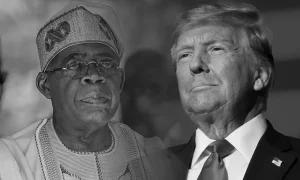
The recent statement by an ex-INEC Chairman, alleging that former President Trump prioritized resources over addressing potential “Christian genocide” in Nigeria, has reignited critical discussions surrounding Trump’s stance on Nigeria conflict. This contentious claim opens a broader dialogue about the complexities of international diplomacy, resource politics, and humanitarian concerns in one of Africa’s most populous and diverse nations. Understanding the nuances of this position requires a look into historical context, the nature of conflicts within Nigeria, and the evolving dynamics of US foreign policy on the continent.
Nigeria has long grappled with multifaceted security challenges, ranging from Boko Haram’s insurgency in the northeast to farmer-herder clashes across its Middle Belt region. These conflicts, often exacerbated by ethnic and religious dimensions, have led to significant loss of life, displacement, and widespread humanitarian crises. The term “Christian genocide” is highly charged and refers to specific accusations of targeted violence against Christian communities, which some international observers and local groups have highlighted.
Professor Attahiru Jega, a former Chairman of Nigeria’s Independent National Election Commission (INEC), reportedly made the assertion, suggesting that the Trump administration’s engagement with Nigeria was primarily driven by economic interests, particularly crude oil and other natural resources. Such claims imply a transactional approach to foreign policy, where humanitarian imperatives might take a backseat to strategic resource acquisition or political leverage, further complicating the narrative around Trump’s stance on Nigeria conflict.
What is the core of the Nigeria conflict? The core of the Nigeria conflict stems from a complex interplay of ethnic, religious, and socio-economic factors, including competition over land and resources, governance issues, and the rise of extremist groups like Boko Haram. These elements combine to fuel widespread insecurity and humanitarian challenges across various regions.
During his presidency, Donald Trump’s administration pursued an “America First” foreign policy, which often translated into a re-evaluation of traditional alliances and a focus on bilateral agreements deemed beneficial to US interests. In Africa, this approach was characterized by a push for counter-terrorism efforts and trade, sometimes leading to perceptions of reduced emphasis on democracy promotion or human rights advocacy compared to previous administrations. This framework undoubtedly influenced Trump’s stance on Nigeria conflict.
Nigeria, as Africa’s largest oil producer and a significant market, holds considerable strategic importance for global energy markets and international trade. The pursuit of stable energy supplies and investment opportunities has historically shaped the engagement of major powers, including the United States, with the nation. The alleged prioritizing of these US aid vs investment Nigeria by the Trump administration, as suggested by Jega, highlights a recurring tension in foreign policy decision-making.
Despite economic interests, the humanitarian situation in Nigeria has consistently drawn international attention. Reports from organizations like Amnesty International and the US State Department have detailed severe human rights abuses, including violence against religious groups, kidnappings, and displacement. Advocating for religious persecution vs political unrest Nigeria has been a critical aspect of international engagement, with many calling for greater protection of vulnerable populations.
Analyzing Trump Africa policy news often involves comparing it to the approaches of other presidential administrations. While every presidency has unique priorities, the emphasis on direct bilateral deals and a more skeptical view of multilateral institutions under Trump marked a distinct shift. This perspective influenced how issues like the Nigeria conflict were framed and addressed on the global stage, prompting varied reactions from both within Nigeria and the international community.
Looking ahead, the Nigeria conflict outlook 2026 suggests that these complex issues will likely persist, requiring sustained international attention and nuanced diplomatic strategies. Future US administrations will continue to navigate the balance between economic interests, counter-terrorism objectives, and humanitarian concerns. The foundational questions raised by statements regarding past policies will undoubtedly inform future engagements.
The claims made by the ex-INEC Chairman, while critical, underscore the inherent challenges in assessing the motivations behind foreign policy decisions. It is often a blend of stated objectives and unstated strategic interests. Understanding such allegations requires considering multiple perspectives, including official government statements, independent analyses, and the lived experiences of those affected by the conflicts.
Ultimately, the debate surrounding the former President’s alleged disinterest in humanitarian crises in favor of resources sheds light on the perpetual tension in international relations. It compels a deeper examination of how global powers engage with nations facing internal strife. The full scope of Trump’s stance on Nigeria conflict remains a subject of ongoing analysis, influencing both historical interpretations and future diplomatic approaches to complex global challenges.
Keywords: what is the Nigeria conflict, how to understand US Nigeria relations, religious persecution vs political unrest Nigeria, US aid vs investment Nigeria, Nigeria conflict explained for beginners, US foreign policy in Africa guide, Nigeria security update, Trump Africa policy news, Nigeria conflict outlook 2026, US foreign policy Nigeria 2026








