


Donald Trump has again sparked controversy by misidentifying bird species in social media posts that criticize wind turbines, notably stating “Eagles going down!”. These claims have brought renewed attention to the impact of renewable energy sources on avian populations, a topic that often generates debate. This article will explore the facts behind these assertions and provide a clearer picture of the situation.
While Trump asserts that millions of birds are killed by wind energy producers, the specific examples he has shared often misrepresent the species and their origins. One photo he posted allegedly showing dead bald eagles was actually identified as a red kite killed in Spain over a decade ago, according to reports from The Telegraph. This highlights the importance of verifying information, especially when discussing complex environmental issues.
Featured snippet paragraph: The answer is that while wind turbines do cause bird fatalities, the number is significantly lower than some claims suggest. Studies estimate between 140,000 and 679,000 birds are killed annually by wind turbines in the U.S., a number that must be weighed against other sources of bird mortality.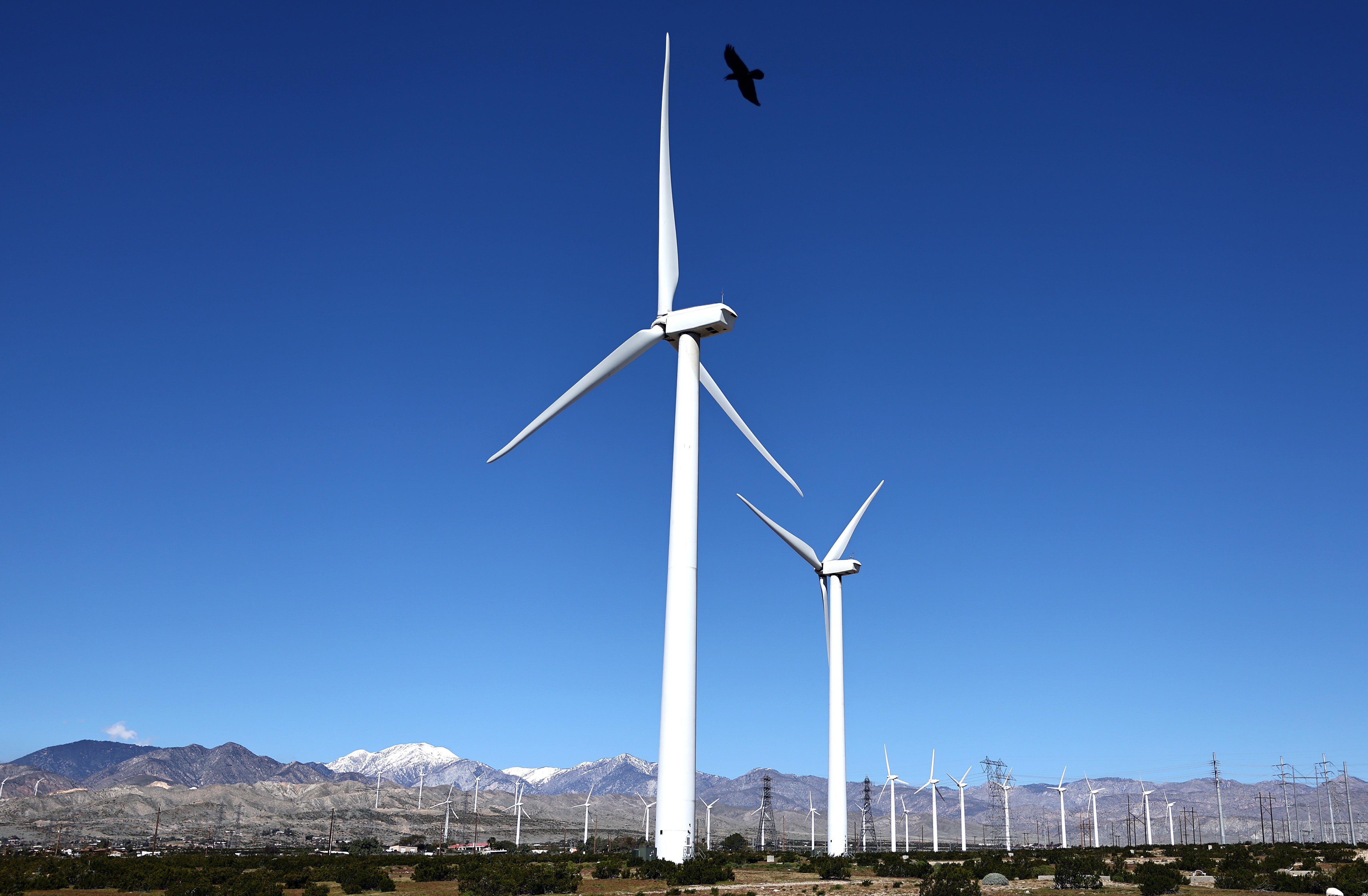
Another image shared by Trump, depicting a flock of birds near a turbine, was sourced from a 2006 photograph by a Taiwanese environmental group, further complicating the narrative he presents. Verifiable, up-to-date data on bird collisions with wind turbines is still developing, making it crucial to rely on credible scientific assessments.
The debate around wind turbine bird deaths is not new. Trump has a long-standing opposition to wind projects, dating back to his efforts to block turbines near his golf course in Scotland. His administration also took steps to withdraw permits for offshore wind projects and promote fossil fuel development.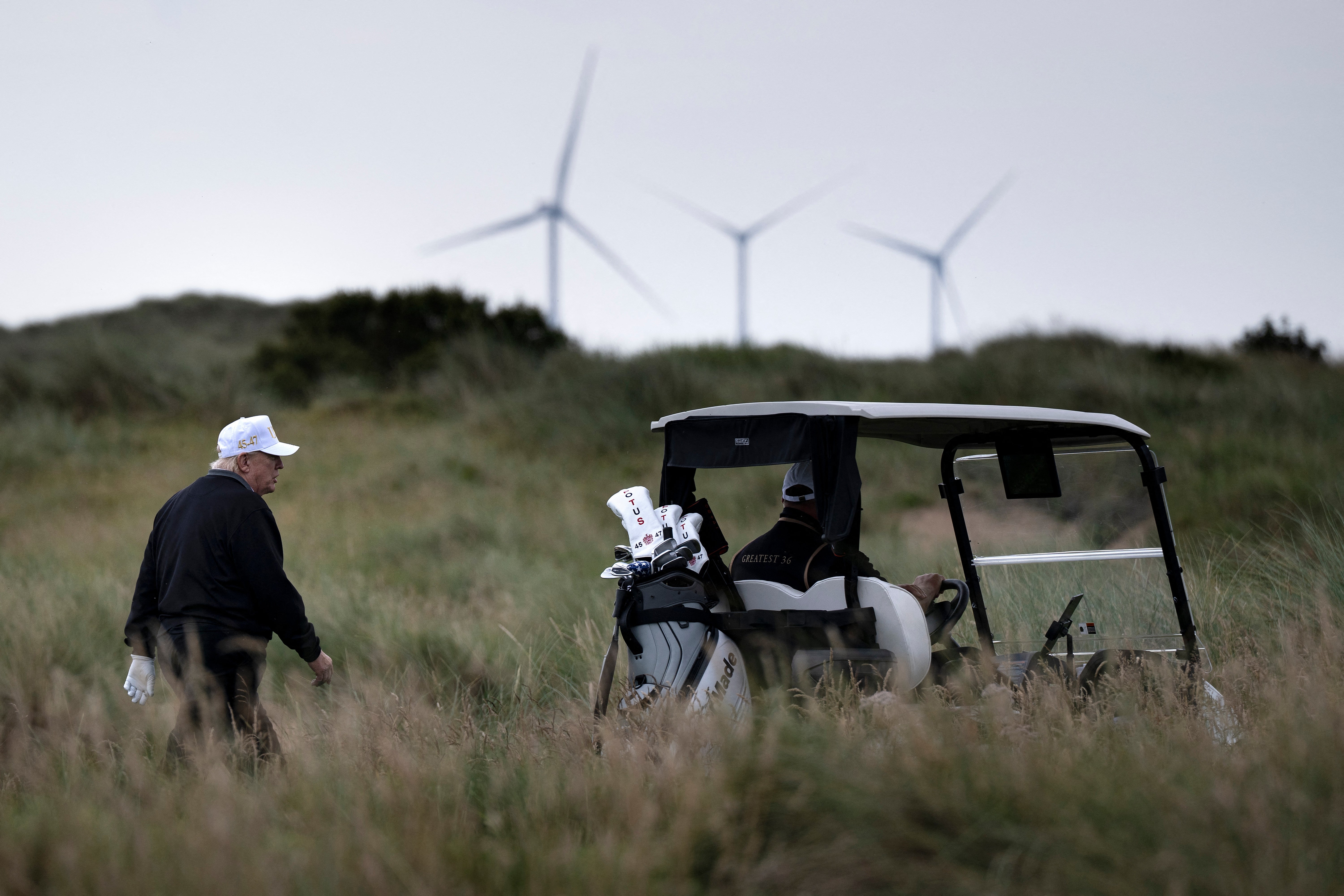
Comparatively, other industrial activities also contribute to bird mortality. For instance, oil field production and wastewater disposal facilities are estimated to cause a substantially higher number of bird losses annually in the U.S., according to data from the Fish and Wildlife Service.
The U.S. Department of the Interior has, in some instances, fined companies for bird deaths related to wind turbines. Orsted Onshore North America, for example, faced a fine for the deaths of two bald eagles attributed to their turbines in Nebraska and Illinois. The company has stated its commitment to cooperating with wildlife services.
This situation raises the question: what is the actual impact of wind turbines on bird populations? Scientific studies offer some insights. Research from the MIT Climate Portal in 2013 and 2014 suggested a range of 140,000 to 679,000 bird deaths annually in the U.S. due to wind turbines.
These figures are important to consider in the context of broader environmental concerns. While minimizing bird mortality is a key goal for renewable energy development, it’s also vital to acknowledge the significant environmental benefits of wind energy in combating climate change.
The discussion also involves comparisons with other energy sources. For example, what is the environmental cost of fossil fuels compared to wind energy? Fossil fuels have well-documented, severe impacts on ecosystems and contribute significantly to greenhouse gas emissions.
When considering “best wind turbines for bird safety,” research into turbine design and placement is ongoing. Strategies include using radar to detect bird migration patterns and adjusting turbine operations accordingly.
Understanding the complexities of “wind energy vs bird conservation” requires a balanced approach, considering both the potential risks and the undeniable benefits of renewable energy.
Looking ahead, “best practices for wind energy development 2026” will likely involve further technological advancements and stricter environmental protocols.
This ongoing dialogue underscores the need for accurate information and a nuanced understanding of the role wind energy plays in our transition to a sustainable future.
Trump’s commentary, while attention-grabbing, often overlooks the scientific consensus and the broader environmental context. It is essential to rely on data-driven analysis when evaluating the impact of renewable energy technologies.
Ultimately, the goal is to find solutions that promote clean energy while safeguarding wildlife, a challenge that requires continuous research and collaboration.
Further analysis into “wind turbine bird mortality statistics” is crucial for informed policy-making and public understanding.
Understanding “how to reduce bird deaths from wind turbines” is a key area of ongoing research and development in the renewable energy sector.
This topic is particularly relevant in discussions about “renewable energy policy 2026” and its environmental implications.
The ongoing conversation surrounding wind energy and its environmental impact, including bird fatalities, is a critical component of “climate change solutions explained.”







![[post_title]](https://samony.com.ng/wp-content/uploads/2026/01/1767431808_Transfer-news-live-Palace-sign-Johnson-Rosenior-responds-to-Chelsea-1024x683.jpg?lm=6958DE84 "Football Transfer News Update: Major Signings Explained")


