

![[post_title]](https://samony.com.ng/wp-content/uploads/2025/12/1764574705_Trump-unleashes-latest-insult-at-female-reporter-as-he-says-1024x683.jpg?lm=692D45F4)
Analyzing the Rhetoric: Trump, Reporters, and the State of Political Discourse
Donald Trump’s recent verbal sparring with journalists, specifically a female reporter regarding his MRI results, raises vital questions about the evolving landscape of political communication and media relations. The incident, as reported, depicts Trump responding to a question about his MRI with a personal insult, claiming the reporter would be “incapable” of achieving the cognitive results he purportedly did. It’s more than a fleeting exchange; it reflects a pattern.
This isn’t an isolated event. We’ve observed a series of such interactions recently, where Trump has targeted female reporters with disparaging remarks. From calling one “stupid” to another “piggy,” these instances paint a picture of a communication strategy that some might describe as combative. I’ve seen similar tactics used before, though rarely with such directness on such a prominent stage. It makes you think about the intent.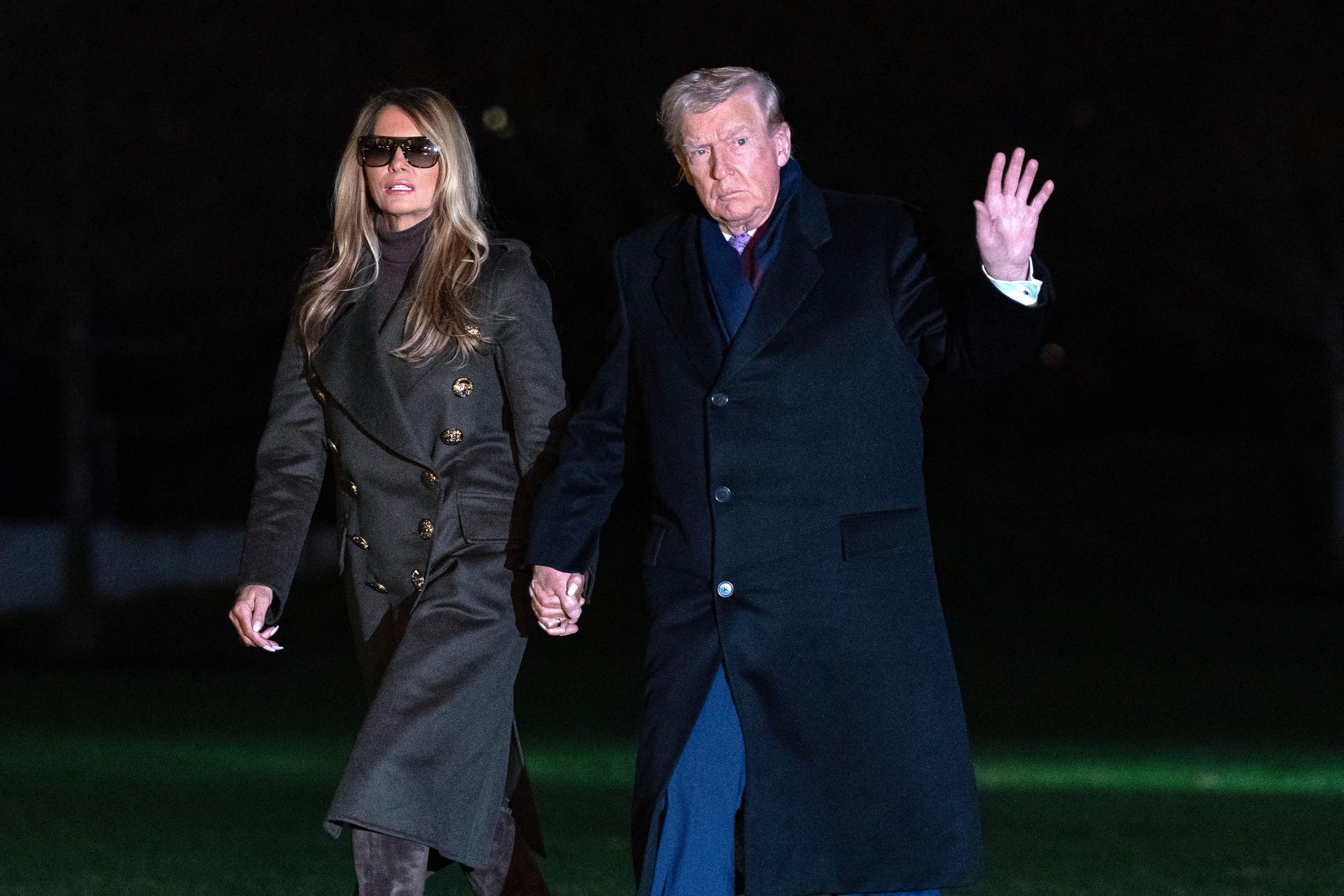 >
>
His supporters might interpret these exchanges as instances of Trump “fighting back” against perceived media bias. They might see it as a strength, evidence of a leader unafraid to challenge what he views as unfair reporting. The counter-argument, of course, is that such behavior undermines the integrity of the press and perpetuates a hostile environment, especially for women in journalism. It’s a tricky point and worth taking note of.
The incident around the MRI is telling. The demand for the release of Trump’s MRI results, originally prompted by Minnesota Governor Tim Walz’s concerns about Trump’s mental acuity, adds another layer. Walz suggested that Trump’s behavior was “not normal” and that his “mental capacity” should be a concern. Trump’s response, linking his “perfect” MRI results to his impeachment call, is a deflection tactic.
However, it does bring transparency into question. Transparency is crucial for public trust, especially concerning a public figure’s health. Refusing to release details, while boasting about perfect results, fuels speculation. Releasing the results could quell the conversation, but that clearly isn’t the angle being taken.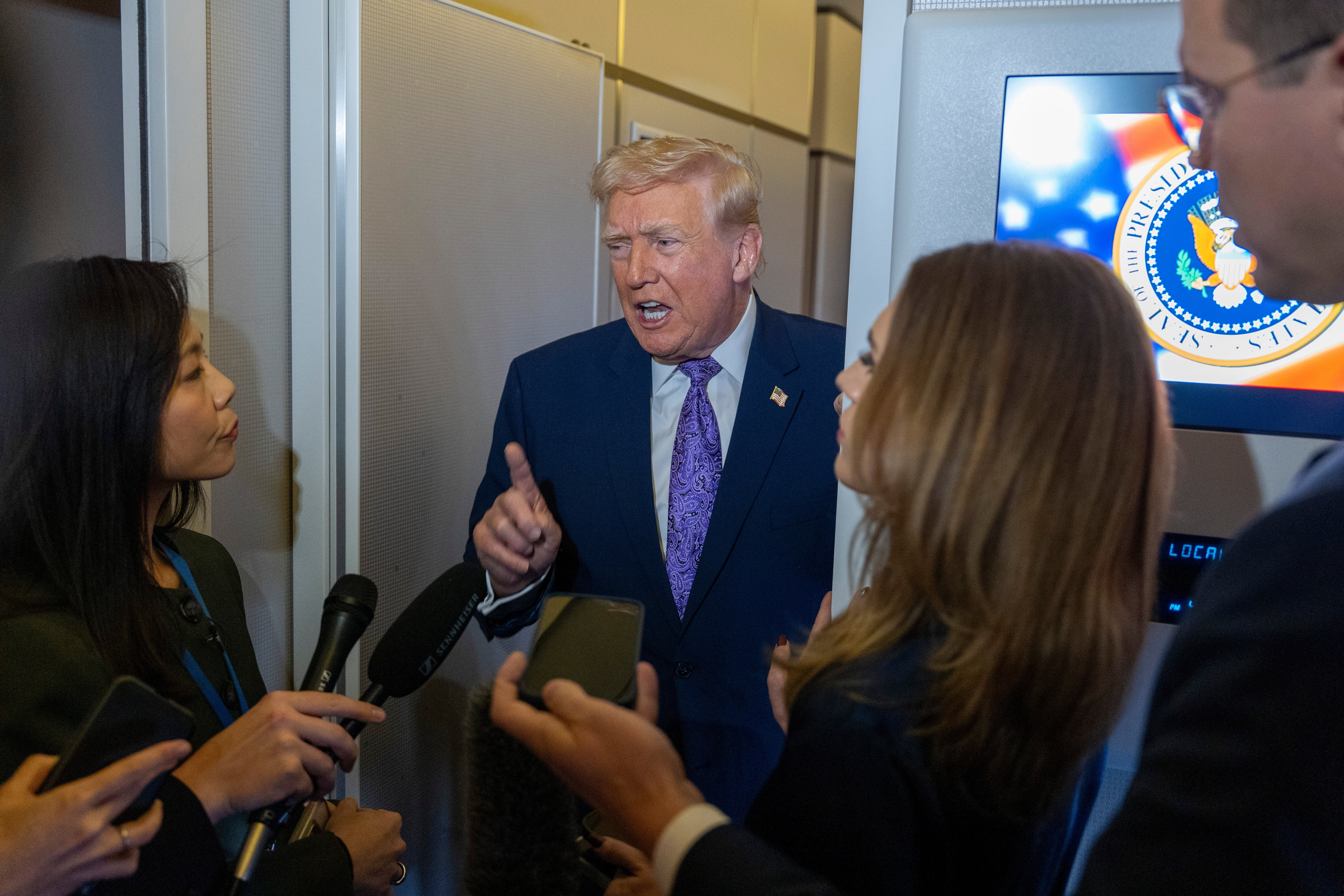 >
>
The White House’s defense, stating that reporters must “be able to take” what they “give,” also requires a closer look. This raises questions regarding the standards of engagement between the press and the administration. While a robust and challenging press is essential, should it be met with personal attacks? The line between holding power accountable and descending into personal attacks is blurry, and this incident pushes right against that line.
It’s tempting to view these events through a purely political lens. But a more measured assessment might consider the broader impact on the public’s perception of both politicians and the media. Does this type of rhetoric encourage critical thinking and informed debate, or does it simply deepen existing divisions? From my experience, it’s the latter.
This also invites a conversation on media literacy. How can the public discern between legitimate scrutiny and what some might label “fake news?” How do we navigate a media landscape saturated with partisan narratives? I believe that actively seeking various perspectives and cross-referencing information becomes increasingly essential. We need to check facts.
Ultimately, this exchange highlights the complexities of political communication in the modern era. The role of the media, the responsibilities of public figures, and the need for a discerning public are all at play. It forces us to ask ourselves: What kind of discourse do we want to encourage? What standards should we expect from our leaders? These questions don’t have simple answers. They demand constant reflection.
The incident on Air Force One isn’t merely a headline; it’s a sign of the times. A time of heightened polarization, fractured trust, and an evolving understanding of the relationship between power and the press. The path forward requires more than just outrage or celebration. It necessitates a nuanced approach, a commitment to civil discourse, and a dedication to seeking truth, even when it’s uncomfortable. We need to remember that.

![[post_title]](https://samony.com.ng/wp-content/uploads/2025/12/1764574213_Man-shares-how-young-artists-life-transformed-after-impromptu-performance-300x150.jpg?lm=692D4408 "Lagos Artist’s Viral Moment: Luck, PR Stunt, or a Real Chance?")
![[post_title]](https://samony.com.ng/wp-content/uploads/2025/12/Terrorism-Took-Root-Under-Obasanjo-Tinubu-Is-Tackling-It-Head-On-300x173.jpg?lm=692D331F "Nigeria’s Terrorism War: Strategies and Scrutiny")
![[post_title]](https://samony.com.ng/wp-content/uploads/2025/12/Roblox-The-Forge-Codes-November-2025-300x169.png?lm=692D3E37 "Roblox The Forge Codes November 2025")
![[post_title]](https://samony.com.ng/wp-content/uploads/2025/12/1764572792_Labour-MP-sentenced-to-two-years-in-prison-after-major-300x158.jpg?lm=692D3E7B "Labour MP sentenced to two years in prison after major corruption scandal")


![[post_title]](https://samony.com.ng/wp-content/uploads/2025/12/Ogun-Govt-to-conduct-free-lead-test-for-Ogijo-residents-1024x683.jpeg?lm=692D44C8 "ULAB Recycling in Nigeria: From Crisis Response to Sustainable Systems")
![[post_title]](https://samony.com.ng/wp-content/uploads/2025/12/1764574213_Man-shares-how-young-artists-life-transformed-after-impromptu-performance-1024x512.jpg?lm=692D4408 "Lagos Artist’s Viral Moment: Luck, PR Stunt, or a Real Chance?")
![[post_title]](https://samony.com.ng/wp-content/uploads/2025/12/Terrorism-Took-Root-Under-Obasanjo-Tinubu-Is-Tackling-It-Head-On.jpg?lm=692D331E "Nigeria’s Terrorism War: Strategies and Scrutiny")
