A recent Trump Venezuela update has sparked significant debate and confusion among political circles, particularly within the Republican party. President Donald Trump’s assertion that the United States is now “running” Venezuela has left many, including senior senators, scratching their heads about the practical implications and strategic objectives. This declaration followed US-led strikes on Caracas, culminating in the capture of Nicolas Maduro, and the subsequent installation of Delcy Rodriguez as an interim leader. Understanding the nuanced layers of this statement is crucial for grasping the future trajectory of US foreign policy in Latin America.
What does Trump actually mean by stating the US is “running” Venezuela? The answer is complex, but generally refers to asserting significant influence over the nation’s political and economic future, particularly concerning its vast oil resources, without necessarily implying direct military occupation. This approach aims to safeguard US interests and prevent adverse geopolitical alignments.
Why is the US involved in Venezuela to such an extent? Historically, Venezuela’s vast oil reserves and its strategic location in the Caribbean have made it a focal point for international powers. The current crisis, marked by political instability, economic collapse, and a humanitarian emergency, has drawn increased US attention, particularly under administrations prioritizing regional stability and countering anti-democratic regimes. The US aims to support a transition away from socialist governance, which it perceives as detrimental to both Venezuelan citizens and regional security.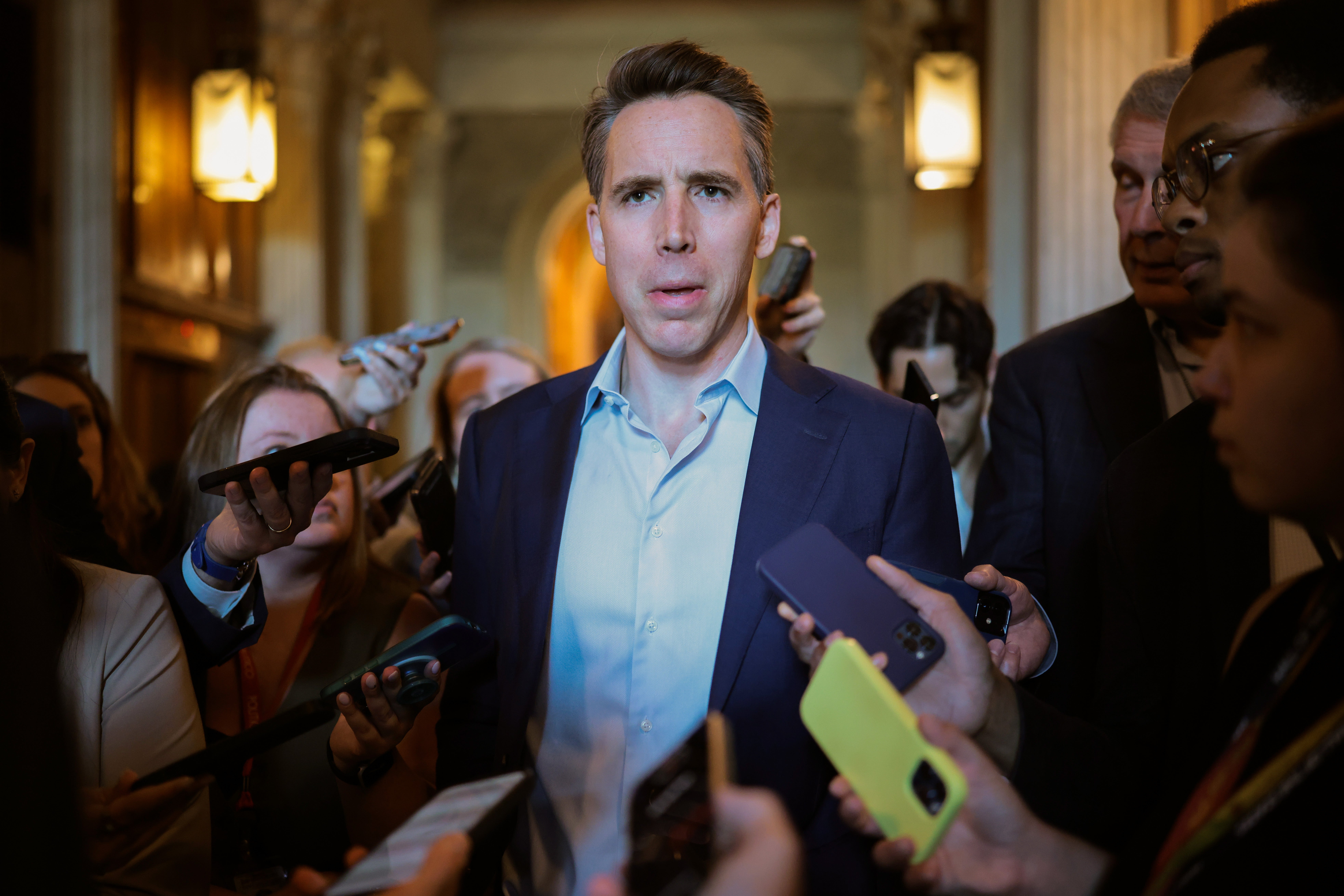
Many questions linger about the long-term commitments of the United States in Venezuela. While Republicans have largely supported the operation in Caracas, they’ve expressed concerns regarding extended military presence or nation-building efforts. Senator James Lankford, a member of the Senate Intelligence Committee, articulated this confusion, suggesting Trump’s statement doesn’t imply a direct American administration but rather a protective stance against hostile foreign influence like Iran and Cuba.
The Venezuela crisis explained involves a confluence of factors, including hyperinflation, food shortages, mass migration, and a deeply fractured political landscape. The US actions are framed within a broader strategy to alleviate these conditions and foster a return to democratic governance, though the path to achieving this remains fraught with challenges. The intervention has highlighted the complexities of international law and the constitutional powers concerning declarations of war.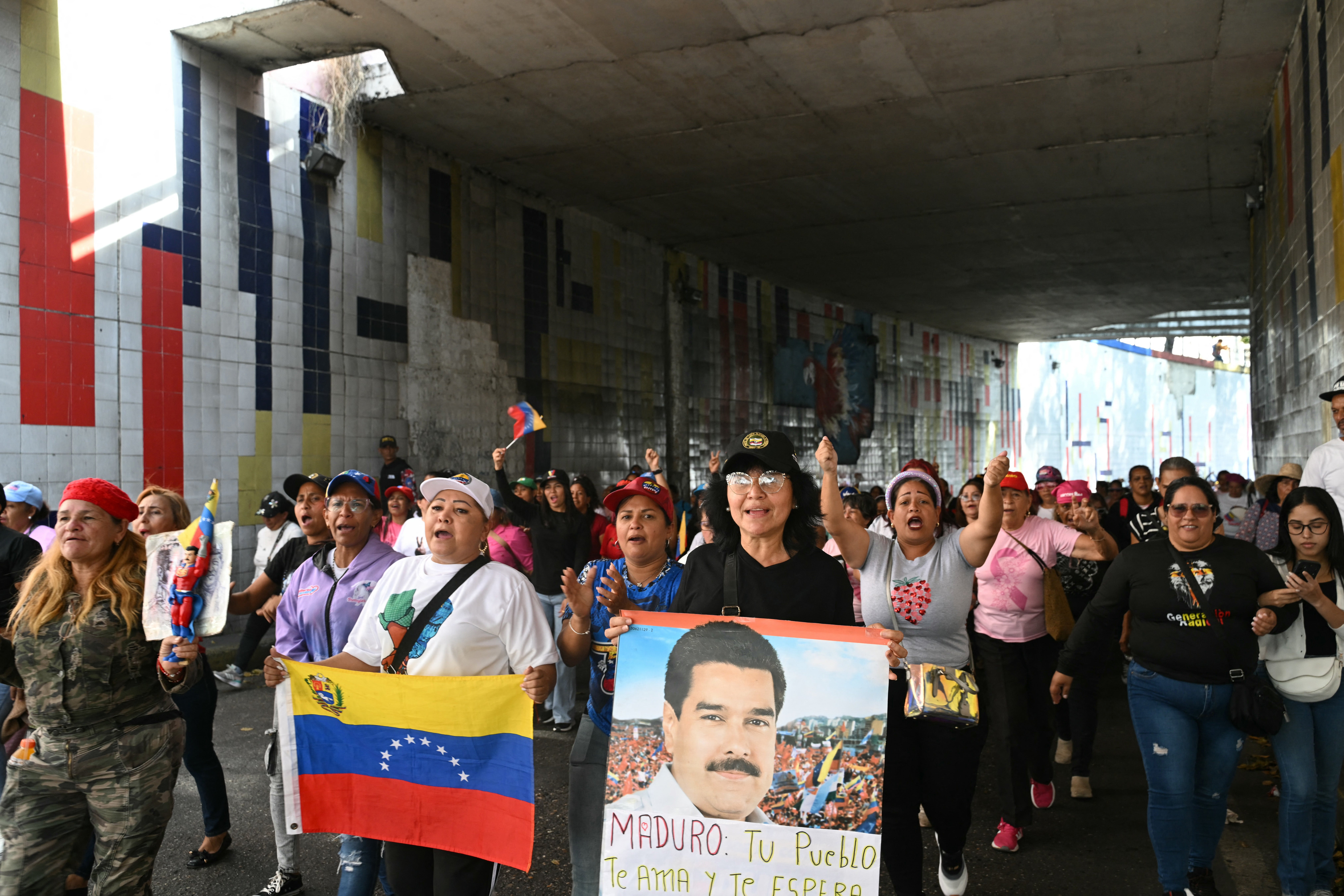
The White House has consistently maintained that the United States is not at war with Venezuela, despite the recent strikes and the controversial declaration of “running” the country. Officials like Stephen Miller have emphasized America’s superpower status and its right to act in its national interest, while dismissing the notion of opposition leaders like Maria Corina Machado immediately assuming power as “absurd and preposterous.”
The comparison between Maduro vs Machado Venezuela leadership styles reveals stark ideological differences. While Maduro represents the socialist legacy of Hugo Chávez, Maria Corina Machado embodies a more liberal, pro-democracy opposition. Venezuelan diaspora in the US, particularly in Florida, have largely supported Trump’s hawkish stance, hoping it would lead to a democratic transition. However, Trump’s focus appears to be heavily on oil interests rather than immediate democratic processes.
For those seeking to understand US policy Venezuela for beginners, it’s important to recognize the shift from indirect sanctions and diplomatic pressure to more direct, albeit still debated, intervention. The policy aims to destabilize the current regime and facilitate a new government more aligned with US interests, particularly in securing oil resources and combating perceived threats to regional stability. The immediate aftermath of the strikes has seen a focus on stabilization.
The ongoing debate over US intervention vs diplomacy Venezuela highlights a perennial tension in foreign policy. While some argue for the necessity of decisive action to depose authoritarian regimes, others advocate for sustained diplomatic efforts and multilateral solutions to avoid prolonged conflicts and unintended consequences. The current situation in Venezuela serves as a potent case study for these differing approaches.
Looking ahead to Venezuela election guide 2026, the prospects for free and fair elections remain uncertain. Despite international observers suggesting opposition victories in past elections, the incumbent regime has consistently declared itself the victor. Trump himself has expressed skepticism about Venezuela’s ability to hold credible elections without significant foundational reforms. The future of US-Venezuela relations in 2026 will heavily depend on whether these underlying political and economic issues can be resolved, and how the international community, particularly the United States, chooses to engage with the nation’s evolving political landscape. This complex Trump Venezuela update will continue to shape regional dynamics for years to come.