

![[post_title]](https://samony.com.ng/wp-content/uploads/2025/12/1765937048_Donald-Trump-orders-complete-blockade-of-Venezuela-oil-tankers-with-1024x538.jpg?lm=69420F9A)
Former US President Donald Trump has announced a comprehensive blockade targeting sanctioned oil tankers entering and exiting Venezuela, escalating pressure on the Nicolás Maduro regime. Trump, utilizing his Truth Social platform, accused the Maduro government of illicitly seizing US assets and formally designated it a “foreign terrorist organisation.” This declaration marks a significant intensification of US policy towards the oil-rich South American nation.
In his statement, Trump asserted that Venezuela is now encircled by “the largest Armada ever assembled in the History of South America,” threatening a “shock to them will be like nothing they have ever seen before.” He stipulated that the blockade would remain in effect until Venezuela returns all “Oil, Land, and other Assets” allegedly stolen from the United States. Trump further claimed that the Maduro regime employs oil from these “stolen Oil Fields” to finance drug terrorism, human trafficking, murder, and kidnapping.
The former president’s rationale for the Caribbean operations appears to have shifted, now explicitly aiming to reclaim purportedly stolen oil from the United States. This contrasts with earlier Pentagon statements which suggested that US strikes on Venezuelan vessels in the region were exclusively focused on combating suspected drug-trafficking activities, raising questions about the evolving objectives of the campaign.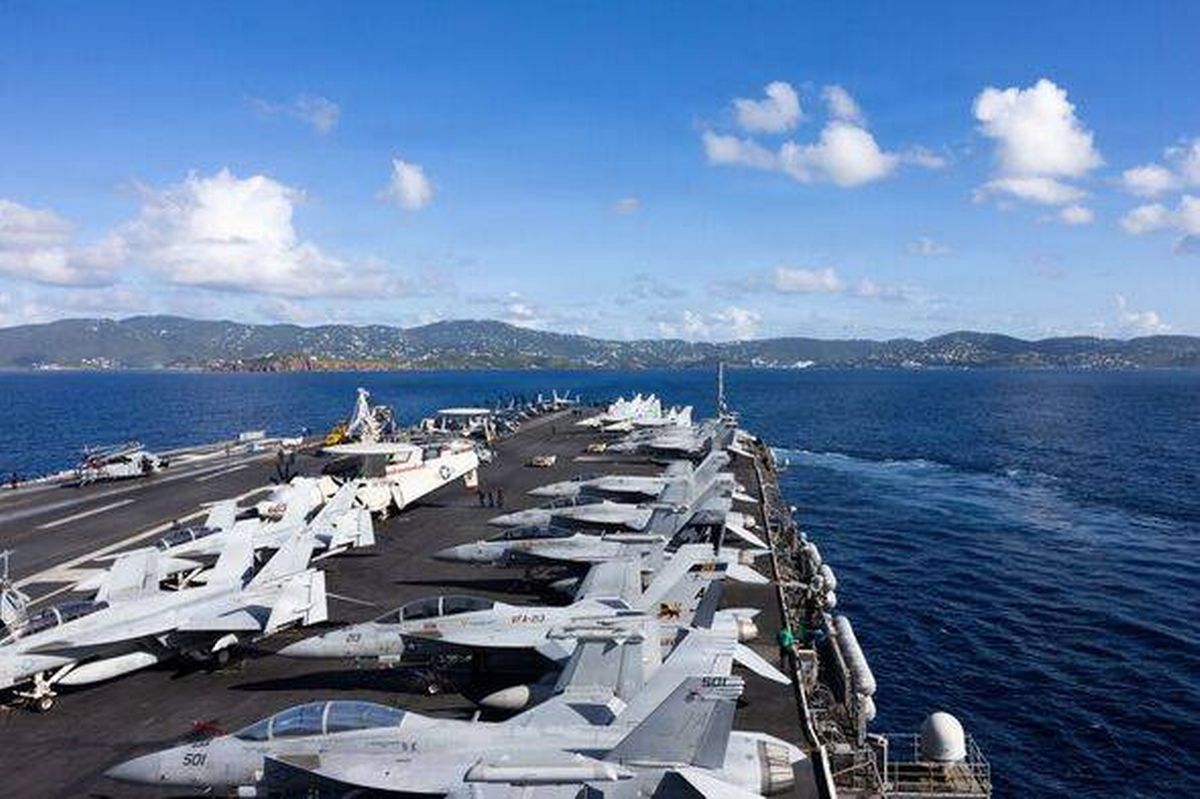
This latest escalation follows the recent seizure of an oil tanker by US forces off Venezuela’s coast, an action swiftly condemned by Venezuelan Foreign Minister Yvan Gil. Gil denounced the seizure as an act of “international piracy,” highlighting the growing diplomatic and military tensions between the two nations. The incident underscores the volatile nature of the ongoing dispute.
The US military presence in the Caribbean has seen a substantial increase, with the deployment of the USS Gerald R. Ford, America’s most advanced aircraft carrier, to the region. This deployment completes what has been described as the most significant accumulation of US military power in the area for decades. “Operation Southern Spear” now reportedly comprises nearly a dozen Navy vessels and approximately 12,000 sailors and Marines, alongside bomber missions conducted in Venezuelan vicinity.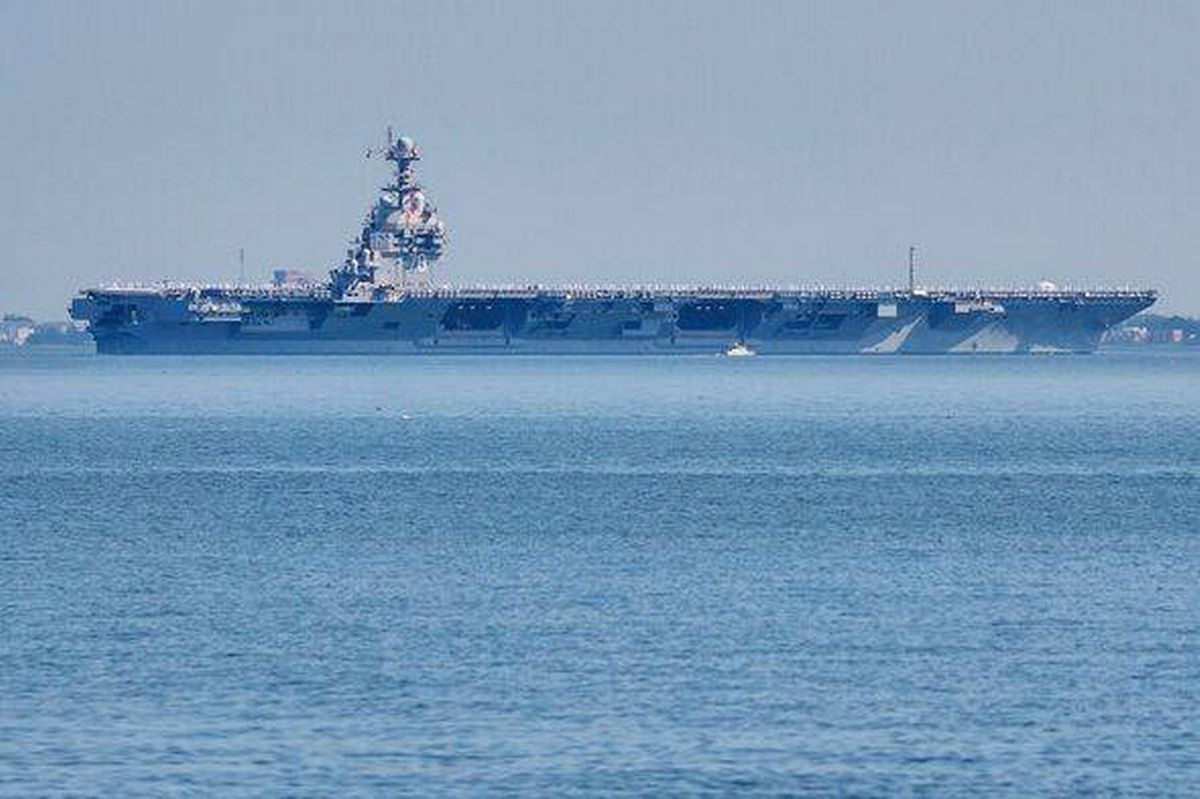
Prior to this blockade, Trump’s administration had already launched over two dozen missile strikes against small boats in the Caribbean Sea and eastern Pacific Ocean. These vessels, described by Trump and Defense Secretary Pete Hegseth as operated by “narco-terrorists” smuggling narcotics into the US, were targeted without publicly substantiating evidence. The strikes reportedly resulted in at least 95 fatalities and prompted bipartisan demands for transparency and legal justification from the Pentagon.
The United States government does not recognise Nicolás Maduro as the legitimate leader of Venezuela, a nation possessing the world’s largest proven oil reserves but suffering from severe economic hardship. Maduro himself faces charges of narcoterrorism in the US, contributing to the persistent diplomatic standoff and the US administration’s consistent pressure campaign against his government.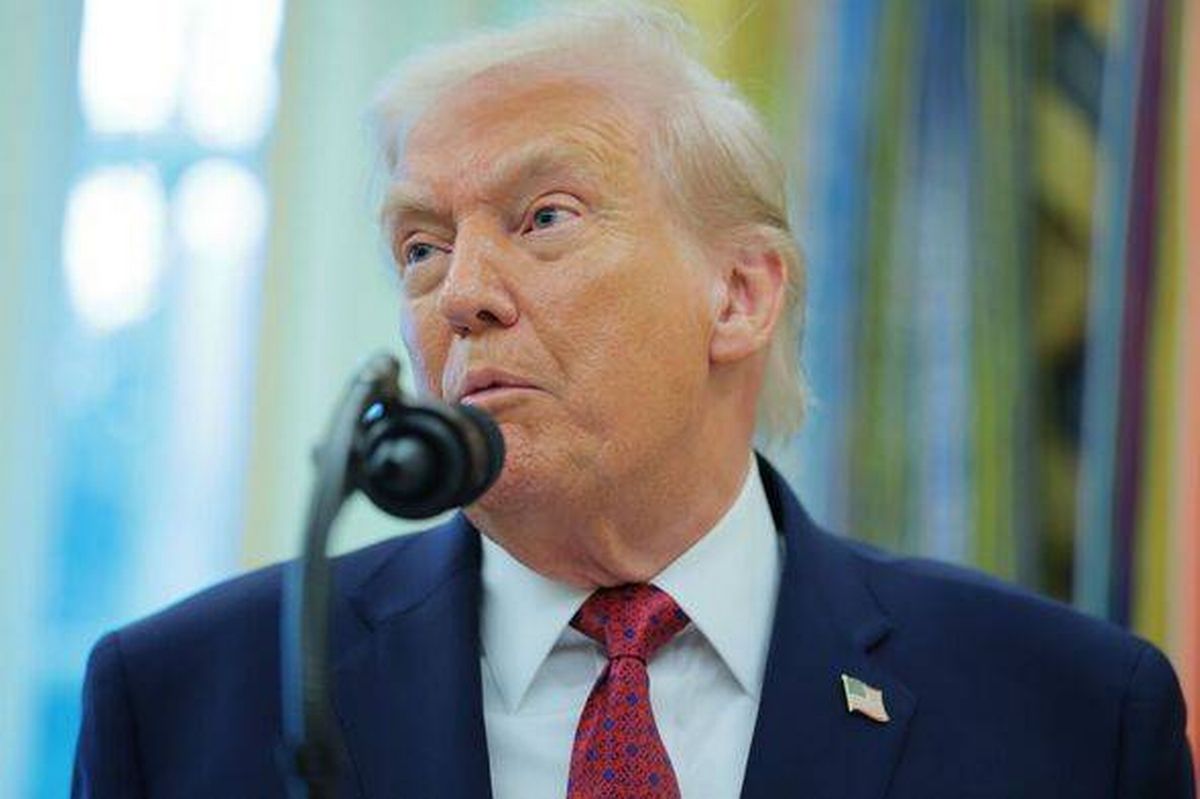
Venezuela’s economy has historically relied heavily on its petroleum revenues, producing approximately 1 million barrels per day. Since the Trump administration first imposed oil sanctions on Venezuela in 2017, the Maduro regime has reportedly depended on a clandestine network of unregistered tankers. These covert operations facilitate the transport of crude oil into international supply chains, circumventing official restrictions.
Behind the stated objectives, some insights suggest a broader aim of regime change. In a Vanity Fair interview, Susie Wiles, Trump’s chief of staff, reportedly acknowledged that the campaign formed part of efforts to remove Maduro from power. Wiles was quoted stating that Trump “wants to keep on blowing boats up until Maduro cries uncle,” indicating a more aggressive political agenda.
The Trump administration consistently championed its Caribbean campaign as effective, claiming it successfully intercepted drugs destined for the US. It dismissed criticisms that its actions exceeded the limits of legitimate warfare, maintaining the operation’s focus was solely on drug interdiction. However, the latest declaration of a total blockade and the shift in stated rationale suggest evolving and multifaceted objectives.

![[post_title]](https://samony.com.ng/wp-content/uploads/2025/12/Lawal-moves-against-political-thuggery-empowers-youths-300x200.jpg?lm=69420C43 "Zamfara Governor Empowers 1,600 Youths to Combat Political Thuggery")
![[post_title]](https://samony.com.ng/wp-content/uploads/2025/12/1765936332_Lagos-Police-arrest-Peller-over-reckless-driving-others-300x150.jpg?lm=69420CCD "Lagos Police Arrest Influencer Peller Over Viral Reckless Driving Video")
![[post_title]](https://samony.com.ng/wp-content/uploads/2025/12/1765934642_NASCAR-US-news-Denny-Hamlin-blasts-Larry-McReynolds-SiriusXM-over-300x200.jpeg?lm=69420633 "Denny Hamlin Demands Accountability From SiriusXM Over Lawsuit Coverage")




![[post_title]](https://samony.com.ng/wp-content/uploads/2025/12/Lawal-moves-against-political-thuggery-empowers-youths-1024x682.jpg?lm=69420C43 "Zamfara Governor Empowers 1,600 Youths to Combat Political Thuggery")
![[post_title]](https://samony.com.ng/wp-content/uploads/2025/12/1765936332_Lagos-Police-arrest-Peller-over-reckless-driving-others-1024x512.jpg?lm=69420CCD "Lagos Police Arrest Influencer Peller Over Viral Reckless Driving Video")
