


Europe is preparing for a significant confrontation with Donald Trump over his persistent threats to annex Greenland. The continent, along with Canada and Denmark, has firmly stated that Greenland “belongs to its people,” directly challenging the US president’s aggressive stance. This diplomatic standoff highlights a growing tension between long-term allies, particularly as European leaders gathered in Paris to discuss Ukraine’s security guarantees following a potential peace deal with Russia. The situation underscores a critical point of contention between the US and Europe, especially concerning US pressure on Ukraine to cede territory.
The White House has maintained its position, stating that acquiring Greenland is a “national security priority of the United States” and vital for deterring adversaries in the Arctic region. This assertion, however, has drawn sharp criticism from European leaders, including those from the UK, France, Germany, Italy, Poland, and Spain, who, alongside Danish Prime Minister Mette Frederiksen, have defended Greenland’s sovereignty. Their joint statement emphasized that decisions concerning Denmark and Greenland are exclusively for the people of those territories.
What is the geopolitical significance of Greenland? Greenland is the world’s largest island and a self-governing territory of the Kingdom of Denmark, making it a crucial member of the NATO military alliance. Its strategic location in the Arctic makes it a focal point for national security interests, especially with rising threats from China and Russia in the region. The US views control of Greenland as essential for military operations and deterring potential adversaries.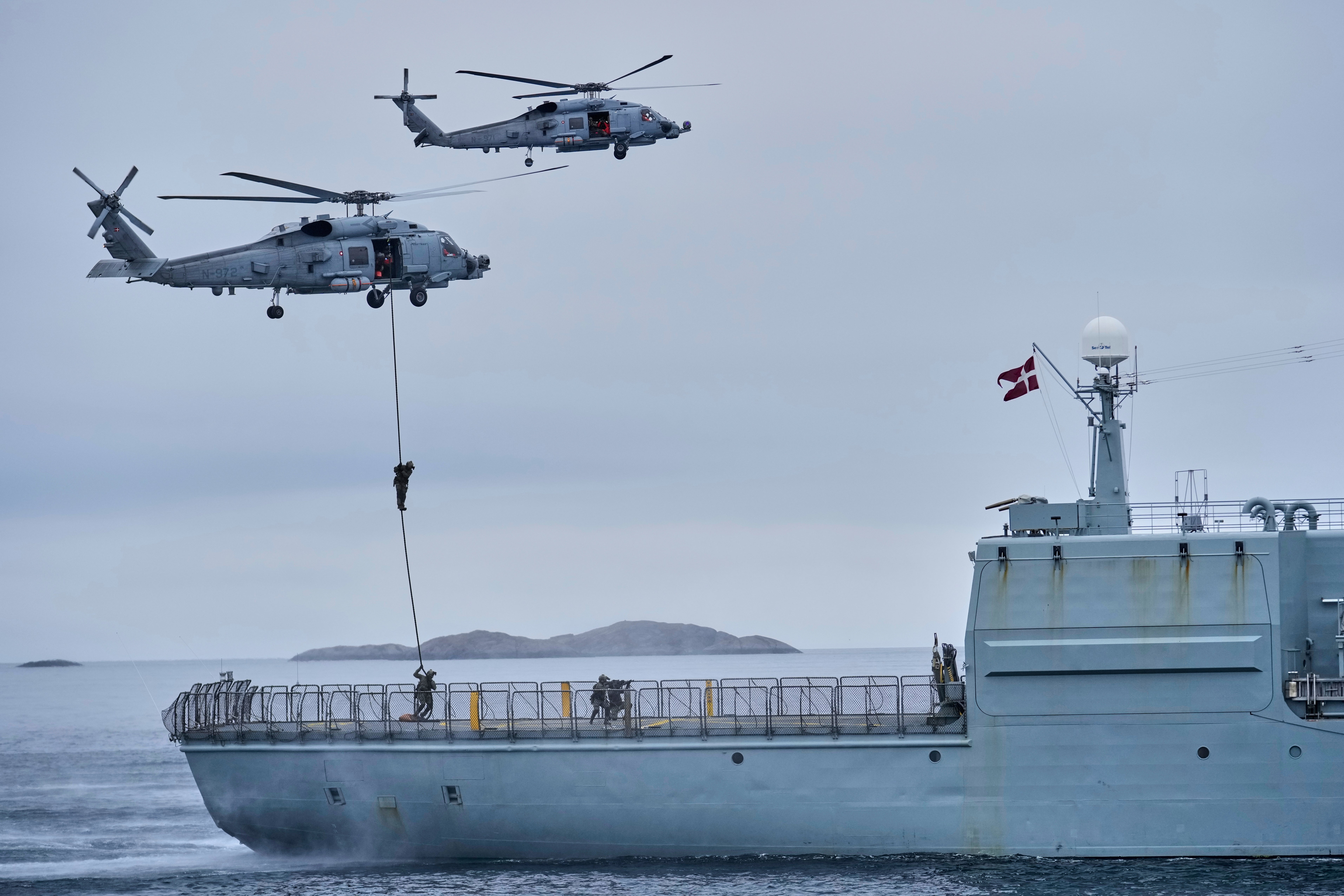
The escalating rhetoric from the Trump administration, including White House Deputy Chief of Staff Stephen Miller questioning Denmark’s territorial claims, further exacerbates the diplomatic friction. Miller’s comments, suggesting a focus on “strength” and “force” over “international niceties,” reflect a departure from established international norms and could destabilize the post-World War II law-governed order.
Rose Gottemoeller, former deputy secretary-general of NATO, described the situation as an “existential” crisis for the alliance, warning that the US positioning itself as a “hostile actor” against an ally is unprecedented and crosses a “red line of legality.” The potential for the US military to act against a treaty ally like Denmark, to seize Greenland, is seen as a dangerous precedent that undermines international law and the UN Charter.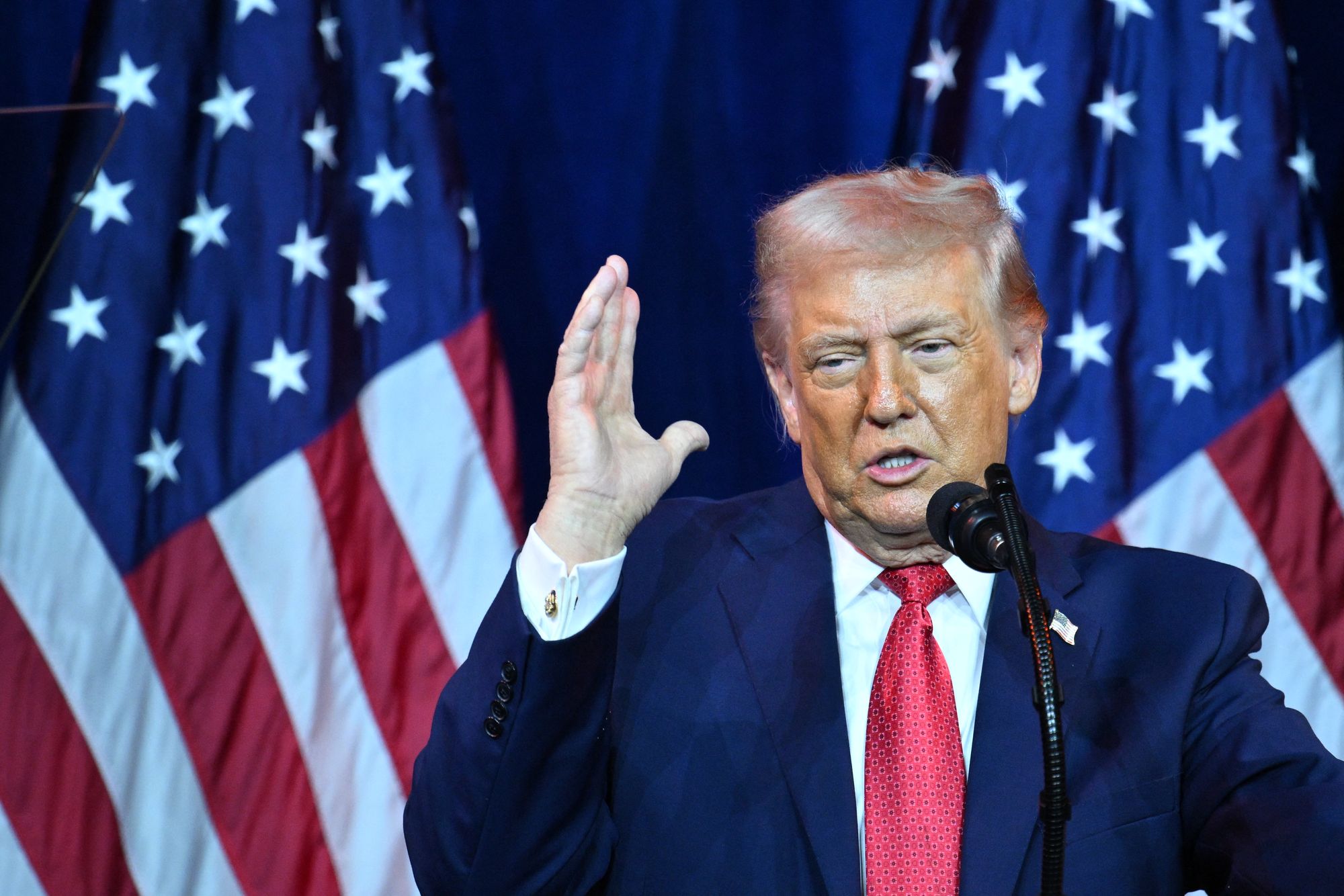
This clash comes at a delicate time, with European nations needing US military support for Ukraine’s security guarantees while simultaneously navigating Trump’s assertive foreign policy. The UK and France have pledged to deploy troops and build military hubs in Ukraine, a move to be backed by the US, though concrete details remain scarce. The Trump administration’s focus appears to be shifting, with recent military engagement in Latin America, including operations in Venezuela and threats towards Colombia, adding another layer of global instability.
Colombian politician Carolina Corcho has warned that if the US president’s actions go unchecked, other continents, including Europe, could become targets. The precedent set by the US operation in Venezuela, where an authoritarian leader was captured and brought to New York, raises concerns about the potential for similar actions elsewhere, a sentiment echoed by concerns over Greenland. The situation underscores the complex geopolitical landscape and the challenges of maintaining alliances in the face of assertive unilateral actions.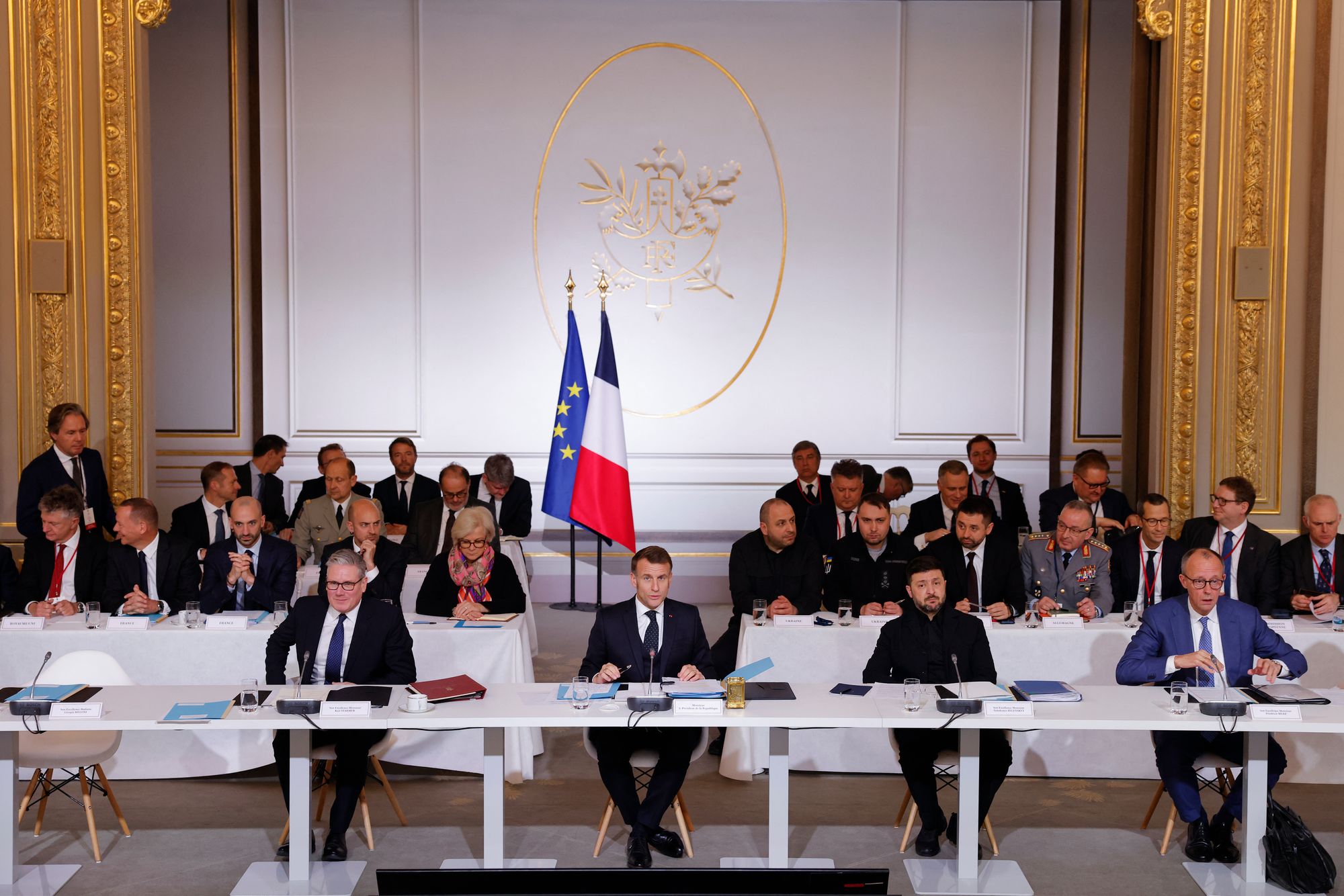
This ongoing dispute over Greenland is not just about territorial ambition; it is a broader debate about international law, the role of alliances like NATO, and the future of global order. The strong unified response from Europe signals a determination to protect sovereignty and uphold established international norms against what many perceive as a ‘might is right’ approach.
The strategic importance of Greenland cannot be overstated, particularly in the context of increasing military activity and resource competition in the Arctic. As China and Russia expand their presence, the US sees Greenland as a critical asset for maintaining its dominance and security in the region. This perspective, however, clashes with the rights and sovereignty of Greenland and Denmark.
Donald Trump’s repeated assertions that Denmark is not adequately protecting Greenland further complicate the issue. He argues that the US, as the strongest member of NATO, is better positioned to secure the island against perceived threats. This argument, however, overlooks the existing defense cooperation and the principle of self-determination for the people of Greenland.
The outcome of this European showdown with Trump over Greenland will have significant implications for international relations, the strength of NATO, and the adherence to global governance principles. The unified stance of European leaders suggests a commitment to defending established international order against unilateral actions, setting a crucial precedent for future geopolitical challenges.








