

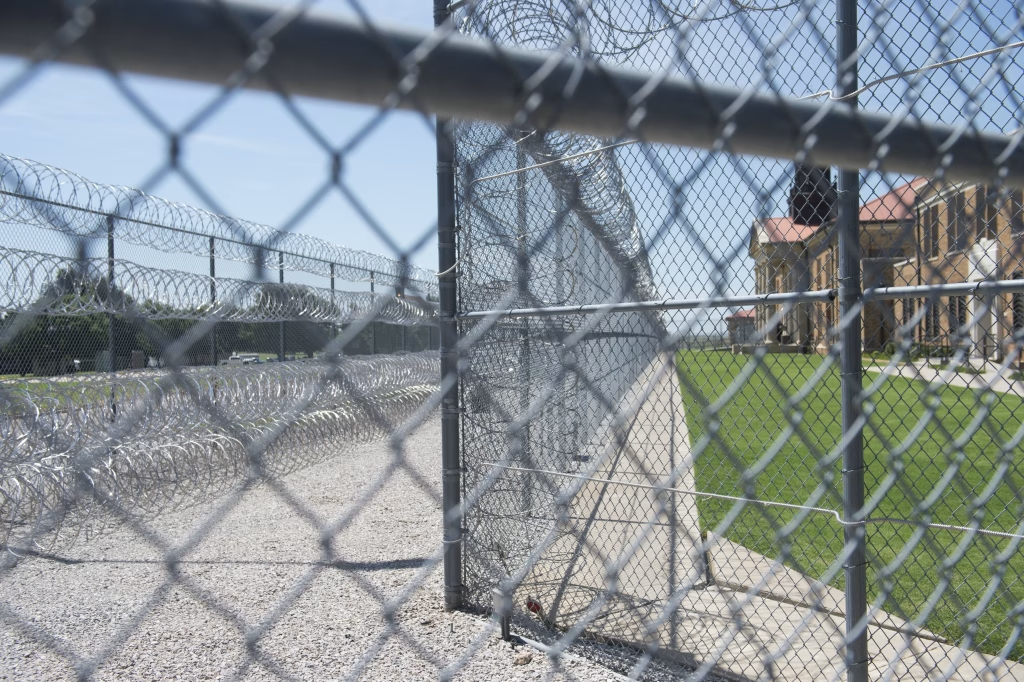
Analyzing the DOJ’s Shift on Transgender Inmate Protections: A Critical Look
The U.S. Department of Justice’s (DOJ) recent memo regarding the Prison Rape Elimination Act (PREA) and its implications for transgender and intersex inmates raises serious concerns. It appears that the DOJ is stepping away from enforcing certain federal regulations intended to protect these vulnerable populations from sexual assault within correctional facilities. A leaked memo suggests auditors should disregard key safety rules, pending updates supposedly aligned with prior executive actions. What does this mean?
The core issue stems from a conflict between existing PREA standards, updated in 2012 to include LGBT+ specific protections, and previous directives aiming to define gender according to birth sex. As someone who has followed policy shifts for a while, this isn’t unprecedented. Administrations often attempt to reshape interpretations, yet this instance brings a chilling effect. Specifically, the memo instructs auditors to “pause” compliance checks on rules concerning separate showers, limits on body searches targeting genitals, and safety considerations for housing assignments. Yet, It’s more than just showers and searches.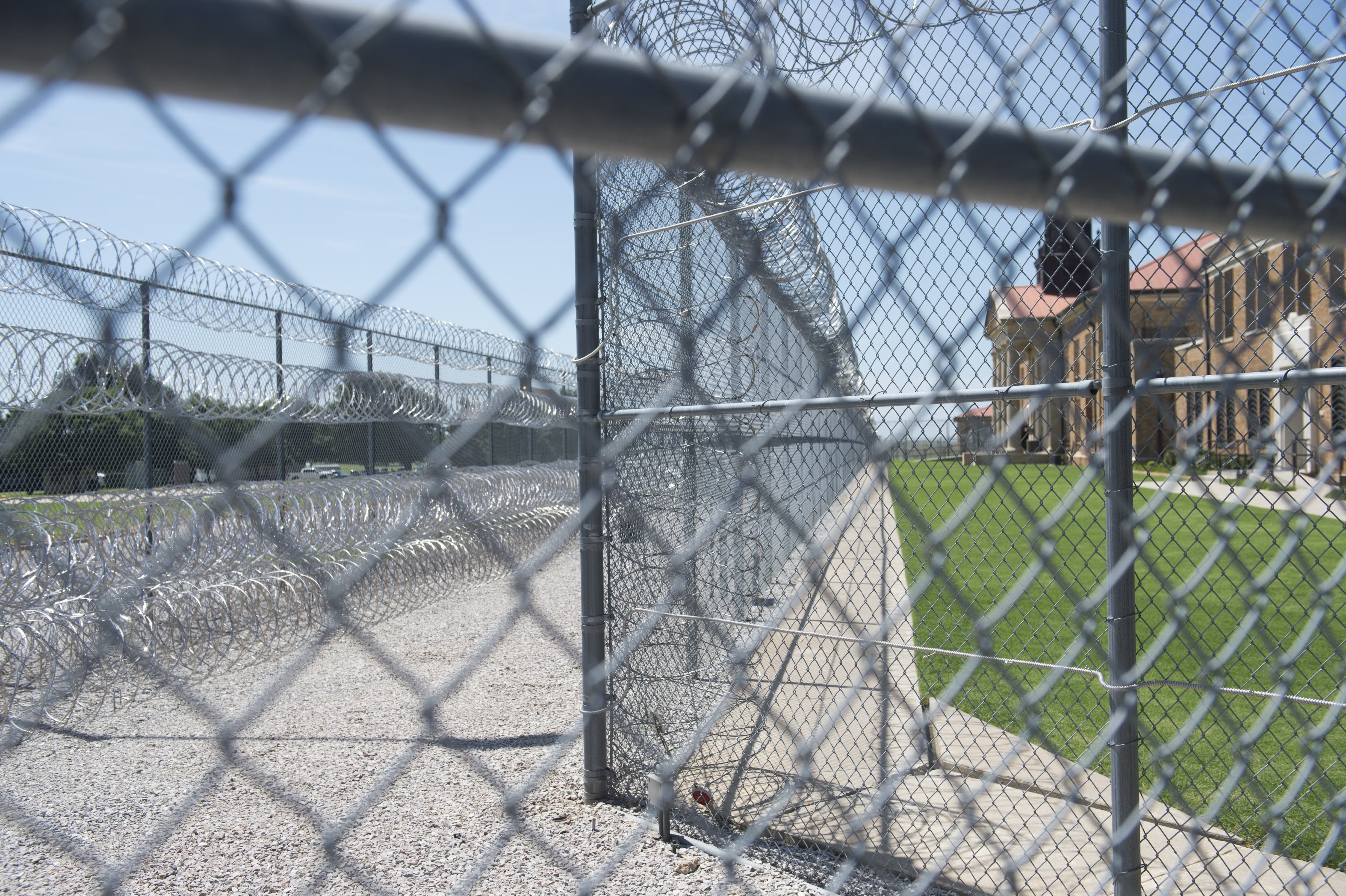 >
>
This challenge puts a spotlight on several areas that warrant deeper examination:
The Timing: The speed at which these changes are being pursued is striking. For auditors to “immediately pause” crucial safety measures raises a question of underlying motivation. Are the existing protections genuinely conflicting with other policies, or is there an intent to diminish the rights of transgender inmates? The Impact: The potential consequences are stark. Data suggests transgender and intersex inmates are already at a heightened risk of sexual violence in prison. Weakening protections, even temporarily, could exacerbate this problem. Given these facts, it’s not surprising that advocacy groups are sounding alarms. The Implementation: Whether PREA auditors, who are not federal employees but contracted, will comply with the memo is uncertain. This introduces a level of ambiguity, as some may continue to enforce the existing PREA standards based on their understanding of the law. In any case, conflicting signals from the federal level create confusion for prison officials and staff.
It’s worth noting the specific protections being targeted. Among them are regulations requiring staff training on respectful searches of trans individuals, effective communication with LGBT+ inmates, and individual safety assessments for housing assignments. Stripping these safeguards can have far-reaching implications. A particularly disturbing aspect is the memo’s directive to suspend a rule that bans juvenile facility staff from viewing a prisoner’s trans status as a predictor of abusive behavior. >
>
The DOJ maintains that these changes are interim measures necessary to align with policy. Yet, critics argue the memo essentially invites the disregard of the law. The ACLU asserts there is no valid reason to ignore PREA unless one isn’t serious about preventing rape. It’s a provocative claim that strikes at the heart of the matter.
Here’s where my skepticism surfaces. I’ve witnessed similar claims of necessary adjustments leading to significant erosion of rights. The argument of streamlining policies to accommodate existing rulings can become a convenient smokescreen.
What’s even more problematic is the possible confusion this directive might create. Shana Knizhnik’s remark about the memo sowing discord about which parts of PREA prisons should now adhere to rings alarm bells. Prisons might choose to implement stronger measures than those mandated federally, so some protections might still remain in place.
Where does this leave us?
The DOJ’s actions demand scrutiny. The claim that facilities can follow old regulations or disregard them exposes the government’s approach, allowing local authorities freedom to determine the most efficient ways to support trans prisoners.
This shift is not merely a policy adjustment; it signifies a change in how the government views its responsibility to protect vulnerable individuals. This challenge emphasizes the importance of continuous vigilance and advocacy to ensure the safety and well-being of all incarcerated people. It reminds us that rights, once gained, can be fragile and require constant defense.

![[post_title]](https://samony.com.ng/wp-content/uploads/2025/12/1765006345_Ashes-2025-live-score-England-search-for-early-Australia-wickets-300x200.jpg?lm=6933DC0C "Ashes 2025 live score: England search for early Australia wickets on day three after painful dropped catches")
![[post_title]](https://samony.com.ng/wp-content/uploads/2025/12/Dangote-Speaks-On-Reducing-Price-Of-Petrol-After-Meeting-Tinubu.webp.webp "Dangote Speaks On Reducing Price Of Petrol After Meeting Tinubu")

![[post_title]](https://samony.com.ng/wp-content/uploads/2025/12/1764998564_Ukraine-Russia-war-latest-Putin-risks-fresh-row-with-Trump-after-300x200.jpeg?lm=6933BDA8 "Ukraine War Reshapes Global Order: A Complex Web of Power, Diplomacy, and Risk")
![[post_title]](https://samony.com.ng/wp-content/uploads/2025/12/High-Risk-for-Frostbite-Heart-Strain-and-Chronic-Conditions-300x169.jpg?lm=6933A071 "Polar Vortex Here? What You MUST Know to Stay Safe")

![[post_title]](https://samony.com.ng/wp-content/uploads/2025/12/Nigerian-Athlete-Oghenebrume-Faces-15-Years-Jail-Time-Over-Firearm.jpg?lm=6933DA51 "Nigerian Athlete’s American Nightmare: How Could This Firearm Charge Happen?")
![[post_title]](https://samony.com.ng/wp-content/uploads/2025/12/1765006345_Ashes-2025-live-score-England-search-for-early-Australia-wickets-1024x683.jpg?lm=6933DC0C "Ashes 2025 live score: England search for early Australia wickets on day three after painful dropped catches")
