

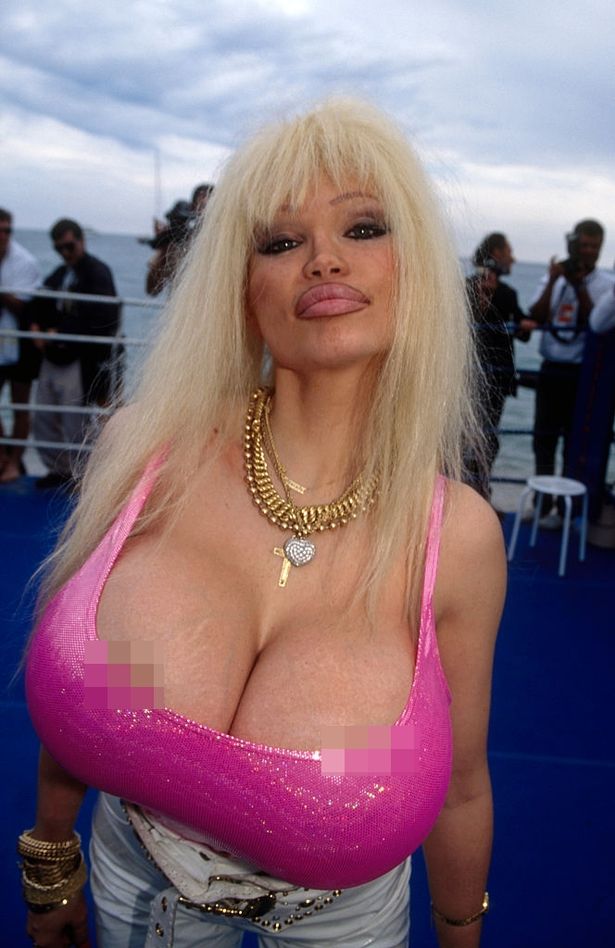
The Troubling Tale of Lolo Ferrari: An Industry Reflects
Lolo Ferrari. The name conjures up images of 90s Eurotrash, outrageousness, and a Guinness World Record. Beyond the shock value and the late-night laughs, however, lay a story of personal tragedy, a cautionary tale about the entertainment industry, and how we often treat those who chase extreme fame.
Ferrari’s rise was meteoric. Aided by a calculated persona and eye-catching enhancements – very eye-catching, one might say – she became a fixture of a certain type of television. She embodied a specific moment in popular culture. It’s worth noting how quickly such fame can arrive, and how easily it can disappear.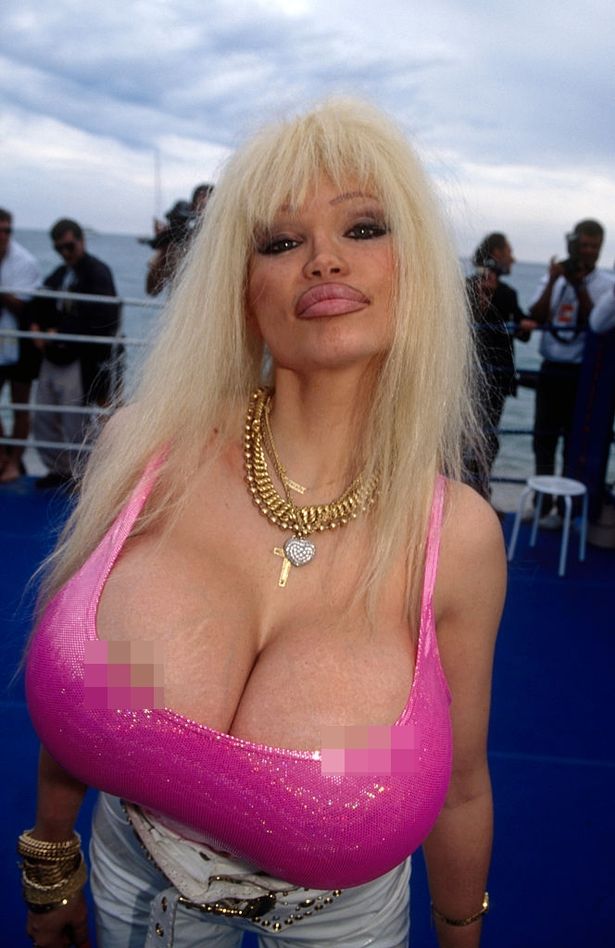 >
>
The driving force behind this transformation? Her husband, Eric Vigne. He wasn’t just a partner; he was a manager, an architect, the mastermind behind “Lolo Ferrari.” To what extent did he truly act in her best interest? One has to question the dynamics of a relationship where one person so completely dictates the other’s physical form, especially considering Vigne’s own past.
The quest for the “world’s biggest boobs” wasn’t just a physical transformation; it was a psychological one. Ferrari herself described these procedures as representing “childhood innocence” and “maternity,” a statement that hints at deeper emotional wounds. The industry, in its relentless pursuit of novelty, often overlooks the person behind the persona. Did anyone genuinely care about Eve Valois, the woman beneath the silicone? Or was she simply a commodity, a spectacle?
The darker side of Ferrari’s story involves mental health struggles. Depression, paranoia, and a sense of detachment plagued her later years. The fleeting nature of fame can be brutal. What happens when the spotlight fades? When the outrageousness becomes commonplace? It looks as though Ferrari couldn’t deal with this change. One can’t help but wonder if the very industry that propelled her to stardom also contributed to her downfall.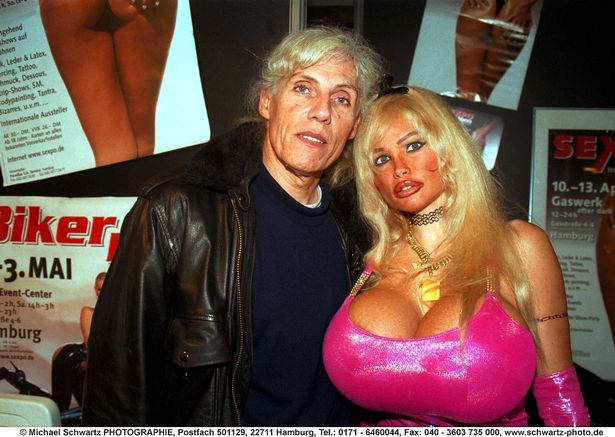 >
>
Then there’s her death. The initial overdose ruling, the suspicions surrounding her husband, the subsequent acquittal – it all paints a picture of a life shrouded in mystery, even in its final moments. Even now, decades later, the precise cause of death remains unconfirmed. This adds another layer of bleakness to her story.
Ferrari’s case prompts a broader scrutiny of the entertainment industry’s responsibility. We celebrate those who push boundaries, but do we offer support when those boundaries begin to crumble? We marvel at extreme transformations, but do we pause to consider the long-term consequences? How often do we consider the human cost of entertainment?
The constant pressure to stay relevant, the relentless pursuit of physical perfection, the potential for exploitation – these are issues that continue to plague the industry. Consider the rise of social media influencers, where individuals are constantly vying for attention, often at the expense of their mental and emotional well-being. Are we repeating the same patterns, simply with a different medium?
Ferrari’s story serves as a stark reminder of the potential pitfalls of fame. It underscores the importance of critical thinking, not just about the entertainment we consume, but also about the industry that creates it. We need to ask harder questions, demand greater accountability, and remember that behind every spectacle, there’s a human being. One hopes that the tragic life, and death, of Lolo Ferrari serves as a lesson – a reminder of the importance of compassion and the dangers of unchecked ambition. It’s a complex issue. Ultimately, we have to ask what responsibility falls on us, the audience, that consume the content of these performers, and whether it is ethical and moral.

![[post_title]](https://samony.com.ng/wp-content/uploads/2025/12/1764660385_Pep-Guardiola-feels-no-need-to-speak-to-Gianluigi-Donnarumma-300x200.jpg?lm=692E94A2 "Guardiola’s Gamble: Is He Losing Control of City’s Biggest Stars?")
![[post_title]](https://samony.com.ng/wp-content/uploads/2025/12/1764661388_Alan-Carr-launches-Christmas-hotline-to-deliver-awkward-festive-messages-300x158.jpg?lm=692E988D "Alan Carr’s Delivering Your Awkward Christmas Messages? 👀")

![[post_title]](https://samony.com.ng/wp-content/uploads/2025/12/Nice-Ultras-Assault-Super-Eagles-Terem-Moffi-After-Defeat.jpg?lm=692E9879 "Reclaiming Football: Prioritizing Player Safety Over Toxic Fandom’s Entitlement")
![[post_title]](https://samony.com.ng/wp-content/uploads/2025/12/1764661041_Madonna-slams-Trump-administration-for-cancelling-World-AIDS-Day-commemoration-300x200.jpg?lm=692E9734 "Did Trump Just Defund World AIDS Day? The Untold Story.")
![[post_title]](https://samony.com.ng/wp-content/uploads/2025/12/1764658975_Sam-Raimi-and-Jordan-Peele-Are-Collaborating-300x169.jpg?lm=692E8F22 "Sam Raimi and Jordan Peele Are Collaborating")


![[post_title]](https://samony.com.ng/wp-content/uploads/2025/12/1764660385_Pep-Guardiola-feels-no-need-to-speak-to-Gianluigi-Donnarumma-1024x683.jpg?lm=692E94A5 "Guardiola’s Gamble: Is He Losing Control of City’s Biggest Stars?")
![[post_title]](https://samony.com.ng/wp-content/uploads/2025/12/1764661388_Alan-Carr-launches-Christmas-hotline-to-deliver-awkward-festive-messages-1024x538.jpg?lm=692E988D "Alan Carr’s Delivering Your Awkward Christmas Messages? 👀")
