Decoding Football Fandom: When Passion Turns Sour
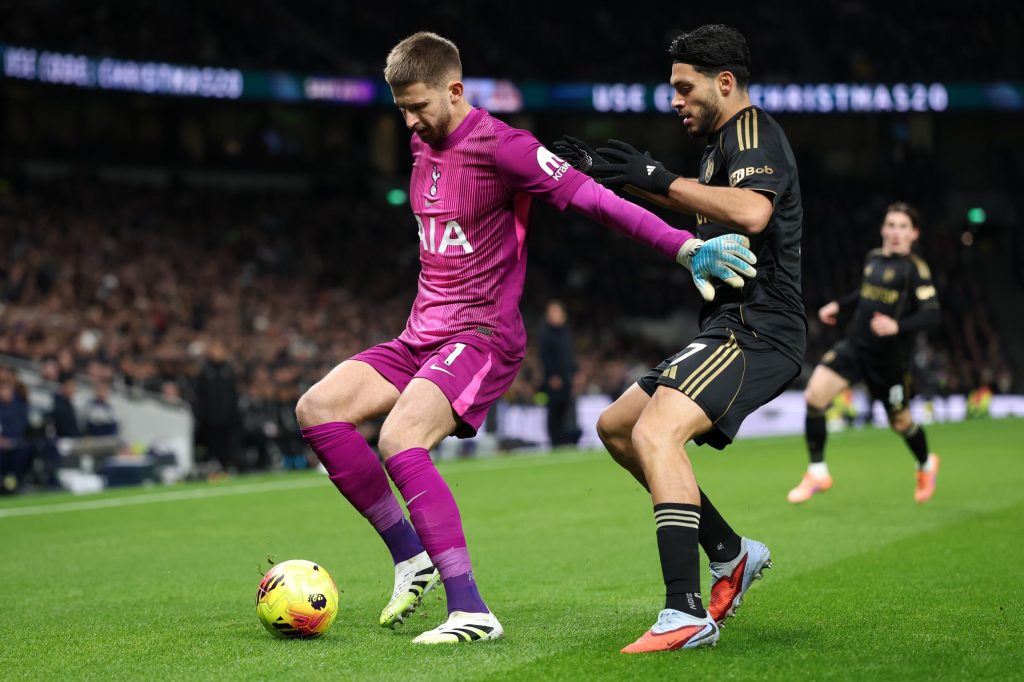
Thomas Frank, the Brentford manager, recently voiced his displeasure with Tottenham Hotspur fans booing their own goalkeeper, Guglielmo Vicario. Frank suggested such behavior disqualifies them as “true fans.” This incident, stemming from a Premier League defeat to Fulham, sparks a larger conversation. It’s a conversation about fan expectations, player performance, and the complex relationship between a team and its supporters.
The backdrop here is crucial. Tottenham hasn’t enjoyed a string of home victories lately. Frustration is understandable. Losses to Arsenal and Fulham, coupled with a defeat against PSG, naturally build tension. Loud boos directed at the team at halftime and full-time reflect this pent-up disappointment. However, singling out a player, especially one who made an early error, seems a step too far for Frank.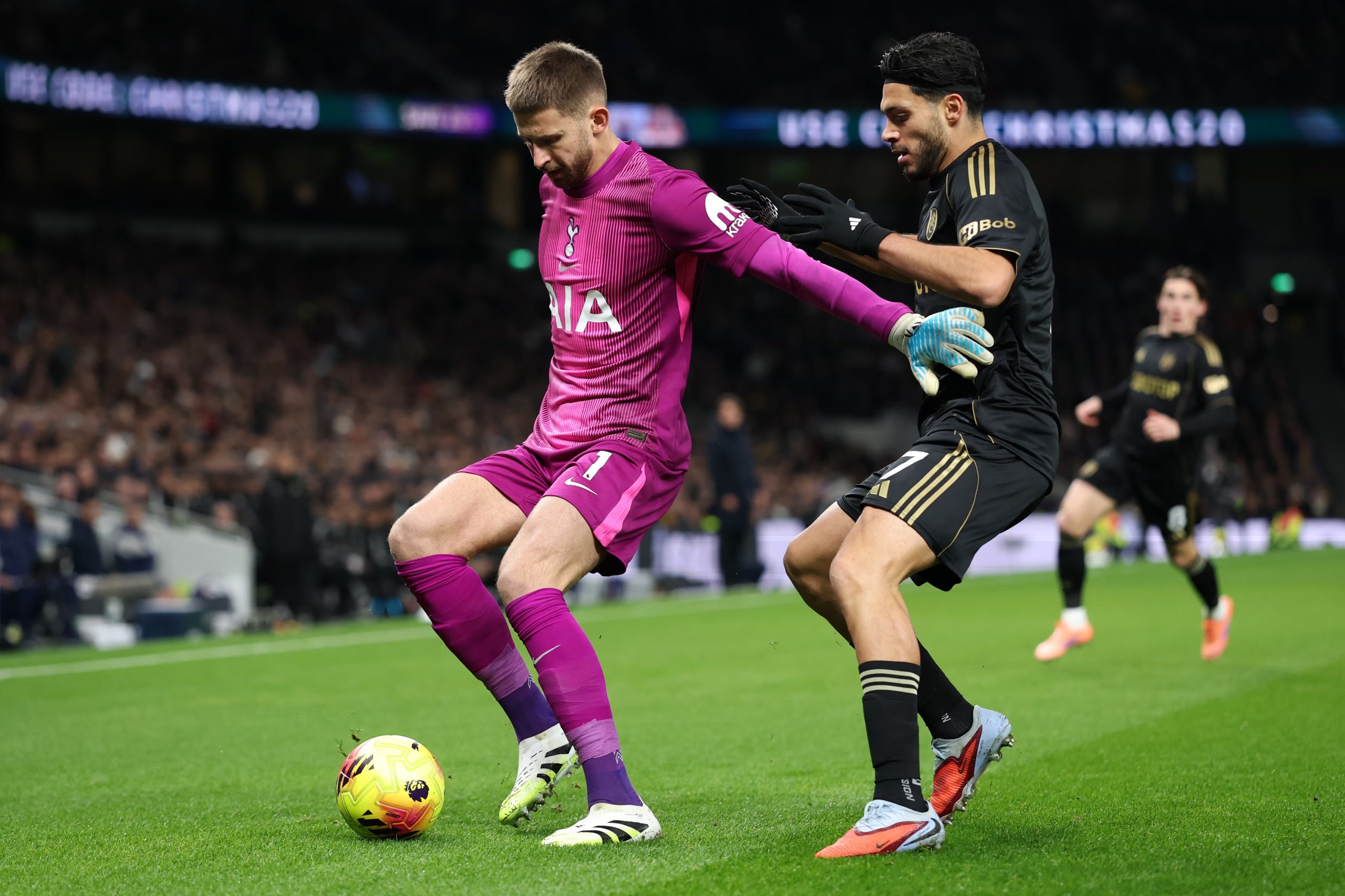 >
>
Vicario’s mistake undeniably contributed to Fulham’s early lead. He ventured too far off his line, allowing Harry Wilson to score from a distance. This kind of blunder is glaring. It shifts momentum. Yet, should one mistake define a player’s worth in the eyes of the fans?
Vicario himself addressed the situation with a level of composure. He acknowledged the fans’ right to express their feelings. He also stressed the team’s need to remain calm. This speaks to a level of maturity that’s often missing in the heat of the moment. It also points to an underlying issue: the pressure players face.
Is Frank right to call out Tottenham fans? It’s a layered question. On one hand, unwavering support is what every team craves. It cultivates a positive environment. It can even bolster performance. Yet, fans are also consumers. They invest their time, money, and emotions. When a team underperforms, they have a right to voice their discontent. The line, however, blurs when that discontent turns into personal attacks. >
>
The incident raises questions about the modern fan experience. Social media amplifies both positive and negative reactions. Players are under constant scrutiny. The pressure to perform flawlessly is immense. A single mistake can trigger a torrent of abuse. This situation prompts a deeper reflection on the role of sportsmanship and empathy in professional sports.
Having observed similar situations develop over the years, it’s clear that knee-jerk reactions are seldom productive. Berating a player mid-game rarely inspires a comeback. It is likelier to shatter confidence. It can create a toxic atmosphere within the team. While constructive criticism is essential, public shaming rarely yields positive results.
It’s worth remembering that players are human. They experience doubt, fear, and pressure just like anyone else. A mistake on the field doesn’t necessarily reflect a lack of effort or commitment. Sometimes, it’s simply a bad day at the office.
Maybe Frank’s comments were intended to shield his player from excessive criticism. Possibly, he was aiming to remind fans of the importance of loyalty. Whatever his intention, it serves as a reminder of the delicate balance between fan expectations and player performance.
This episode serves as a case study of fan behavior. It also illustrates how external pressure can impact a team’s ability to recover from setbacks. To navigate these challenges successfully, teams need to cultivate a culture of resilience. This is where open communication, strong leadership, and a unified sense of purpose are important.
Ultimately, the relationship between a football team and its fans is symbiotic. It’s a relationship built on shared passion, mutual respect, and a collective desire for success. When that relationship breaks down, the consequences can be damaging. Perhaps, a little more empathy and a little less booing would go a long way in fostering a more positive and productive environment for everyone involved. This requires a collective effort from players, managers, and, most importantly, the fans themselves.

![[post_title]](https://samony.com.ng/wp-content/uploads/2025/11/1764455069_EastEnders-legend-Shaun-Williamsons-tragic-reason-for-returning-to-hit-300x158.jpg?lm=692B72A0 "EastEnders: Barry Evans’ Return – Dementia Storyline or Ratings Ploy?")
![[post_title]](https://samony.com.ng/wp-content/uploads/2025/11/Atletico-Madrid-2-1-Inter-Milan-Jose-Maria-Gimenez-scores-winner-300x169.jpg?lm=692B6E30 "Champions League Upset: Is This the End of Inter’s Dominance?")
![[post_title]](https://samony.com.ng/wp-content/uploads/2025/11/1764454014_Miami-man-who-told-his-friends-his-girlfriend-had-been-300x200.png?lm=692B6E81 "Miami Murder: Phone Data Exposes ICE Claim Lie")


![[post_title]](https://samony.com.ng/wp-content/uploads/2025/11/We-need-a-win-to-carry-on-adding-another-three-1024x576.jpg?lm=692B7576 "Real Madrid’s Secret Sauce: What’s Really Going On This Season?")
![[post_title]](https://samony.com.ng/wp-content/uploads/2025/11/1764455069_EastEnders-legend-Shaun-Williamsons-tragic-reason-for-returning-to-hit-1024x538.jpg?lm=692B72A0 "EastEnders: Barry Evans’ Return – Dementia Storyline or Ratings Ploy?")