consider celebrity incidents like Tara Reid’s recent hospitalization, where she alleges her drink was spiked. These events open up some intriguing questions about safety, accountability, and public perception.
News outlets reported Reid was found disoriented, taken to a hospital, and later claimed she’d been drugged. A police report surfaced, and investigations are ongoing. It’s a concerning situation.
The immediate reaction often involves speculation. Was it foul play, or could other factors be at play? We’ve seen cases go both ways. Sometimes, there’s a clear intent to harm. Other times, it’s a confluence of factors that lead to a bad outcome. One also wonders about the role of public figures in these narratives. They become instant cautionary tales, regardless of the truth.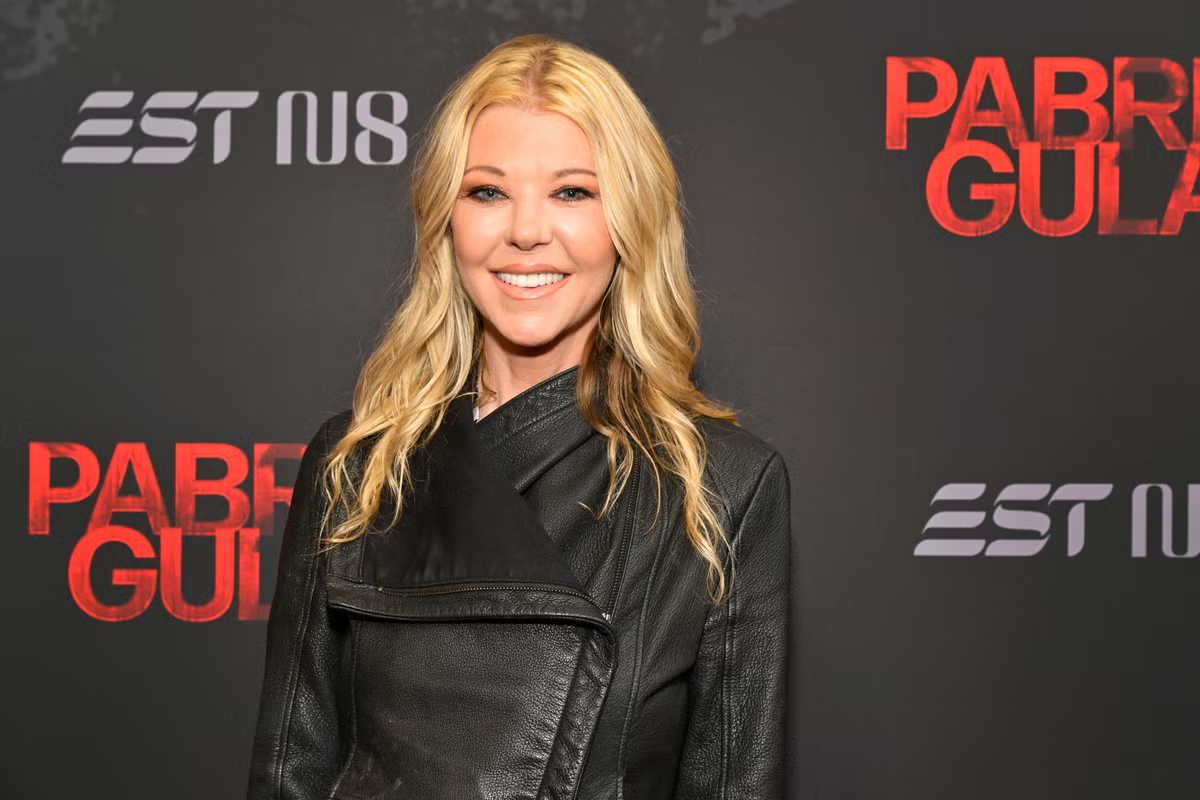 >
>
This instance highlights an ongoing issue, drink spiking. Despite awareness campaigns, it remains a real threat, particularly in nightlife settings. Bars and restaurants have a responsibility, yet individual vigilance is also crucial. The story also casts a spotlight on personal history. Reid’s past struggles with substance abuse inevitably become part of the conversation, fair or not.
It prompts an examination of the media’s role. Sensationalism sells, and celebrity stories often get amplified, overshadowing similar incidents happening to everyday people. The focus becomes the “who” instead of the “what” and “why.”
Given these facts, what can be learned? Education is paramount. People need to know the signs of drink tampering and understand how to protect themselves and their friends. Establishments must implement stricter security measures. Responsible service of alcohol, employee training, and readily available resources can make a difference.>
The narrative surrounding celebrity incidents presents a challenge. Public perception can easily be swayed by incomplete information or pre-existing biases. A balanced approach that acknowledges the complexities of the situation is essential.
It’s worth noting the impact on the individual. Regardless of the circumstances, being in a vulnerable state like that can be traumatic. Respect for privacy, especially during the initial stages, is crucial.
This kind of event touches on something deeper – a societal unease about vulnerability and trust. We assume a certain level of safety when we go out, but that assumption can be shattered. To that end, we need to foster a culture of responsibility and accountability, where individuals and establishments prioritize safety.
The drink spiking issue needs addressing head-on, beyond just reactive measures. Proactive steps, like increased security in bars and wider public awareness campaigns, are essential.
Consider the long-term effects. For Reid, this incident will likely follow her, impacting her career and personal life. For the public, it serves as a reminder of the potential dangers lurking in seemingly safe environments.
Still, there’s a glimmer of hope in these situations. They can spark important conversations and drive positive change. Increased awareness, improved safety measures, and a more responsible culture can help prevent future incidents.
It is a complex issue, of course. No single solution exists. Education, vigilance, and a collective commitment to safety are crucial.
Incidents like these are a stark reminder that vigilance is key. And perhaps, a call for more empathy in how we discuss and perceive such events.



![[post_title]](https://samony.com.ng/wp-content/uploads/2025/12/1764752038_Gary-Lineker-to-appear-on-Netflix-in-2026-World-Cup-300x202.jpg?lm=692FFAA9 "Lineker on Netflix? This Changes Everything About How We Watch Football.")