

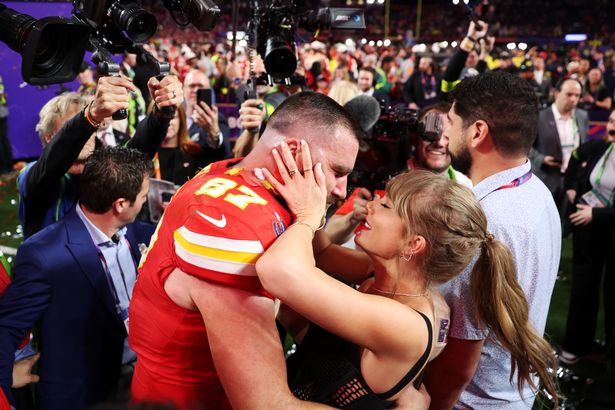
Taylor Swift and Travis Kelce Wedding Date: Analyzing the Hype and Industry Impact
The internet’s buzzing. Rumors swirl about a June 13, 2026 wedding date for Taylor Swift and Travis Kelce. The alleged venue? Ocean House in Rhode Island. The significance? Supposedly, the date aligns with Swift’s affinity for the number 13. That’s the story.
Now, let’s unpack this “Swiftie wedding” buzz. It’s easy to dismiss celebrity gossip, but the Taylor Swift effect has tangible economic implications. Her influence extends far beyond music, driving trends, boosting local economies during her Eras Tour, and impacting brand visibility. This wedding rumor, even if just that, is already generating considerable attention. >
>
One source claims Swift even compensated another bride to secure the coveted date. That’s a bold assertion. Can we verify it? Unlikely. Yet, such claims drive engagement, amplifying the story’s reach.
The article dives into numerology, adding the digits of the date to supposedly arrive at “9,” representing completion. This feels like reaching. Still, it caters to a dedicated fanbase eager to find deeper meaning in every detail of Swift’s life.
It’s worth noting how the media amplifies these narratives. Outlets rehash the same “leaked” information, each adding a slightly different spin to capture clicks and social shares. The real story here might not be the wedding itself, but the machine that churns out content around it.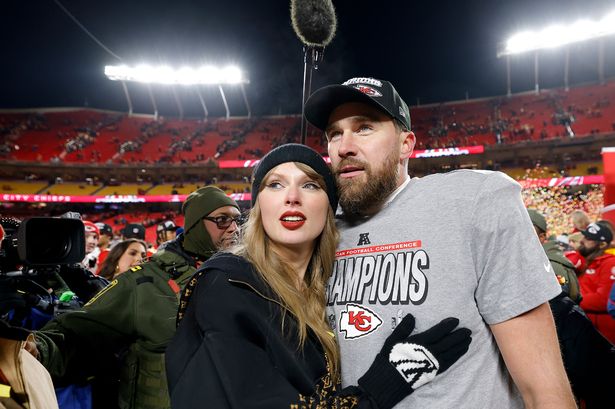 >
>
From a marketing standpoint, the Swift-Kelce relationship has been a goldmine. Brands associate themselves with the pair, capitalizing on their combined popularity. Will the wedding fuel even more partnerships? It’s highly probable. Expect to see subtle (or not-so-subtle) product placements and endorsements tied to the event, regardless of its authenticity.
Beyond the immediate entertainment value, this situation highlights the power of celebrity culture in driving consumer behavior. Swift’s choices, real or perceived, influence millions. This translates to revenue streams for various industries, from fashion and beauty to travel and event planning. The wedding, therefore, becomes a potential economic catalyst, a carefully orchestrated (or perhaps serendipitous) event with the potential to generate significant financial gains.
However, this media frenzy also raises ethical considerations. How much do we, as a society, intrude upon the personal lives of celebrities? Where do we draw the line between public interest and invasive speculation? The obsessive coverage can be detrimental, impacting the mental health of those in the spotlight. It’s a delicate balance.
It’s important to keep things in perspective. These could be rumors. The wedding might not happen on that date, at that location, or even at all. The fact that this is news underscores our fascination with celebrity romance and our willingness to consume even the most speculative information.
In any case, the wedding speculation provides a lens through which to examine broader trends. The convergence of entertainment, marketing, and consumerism becomes strikingly apparent. The Swift-Kelce phenomenon serves as a case study in how celebrity influence translates into economic impact. We are witnessing the creation, shaping, and consumption of a narrative, and the ripple effects extend far beyond the realm of celebrity gossip. It’s a phenomenon worth observing.
Ultimately, the “Swiftie wedding” is more than just a potential celebrity event. It’s a cultural moment, a marketing opportunity, and a reflection of our collective fascination with fame and fortune. Only time will tell if the rumors hold true. But one thing’s certain: the buzz will continue, and its impact on various industries will be significant.

![[post_title]](https://samony.com.ng/wp-content/uploads/2025/12/Groups-to-Tinubu-Disregard-lawmakers-call-for-Ribadus-sack-300x169.png?lm=69323084 "Ribadu’s Job on the Line? What Nigeria’s NSA Debate Really Means")
![[post_title]](https://samony.com.ng/wp-content/uploads/2025/12/President-Tinubu-Swears-In-Christopher-Danjuma-As-Minister-of-Defence-225x300.jpg?lm=69323182 "From Barracks to Boardroom: Can Danjuma Bridge Nigeria’s Security Divide?")
![[post_title]](https://samony.com.ng/wp-content/uploads/2025/12/1764897203_Manchester-United-fans-boo-as-West-Ham-steal-away-vital-300x209.jpeg?lm=693231B6 "Manchester United’s Season of Frustration")
![[post_title]](https://samony.com.ng/wp-content/uploads/2025/12/Apple-announces-even-more-major-executive-turnover-300x156.jpg?lm=69322D9B "Apple’s Big Leadership Shakeup: What’s Really Going On With Environment and Policy?")
![[post_title]](https://samony.com.ng/wp-content/uploads/2025/12/Cruzeiro-explica-ausencia-de-zagueiro-contra-o-Botafogo-pelo-Brasileiro-300x180.jpg?lm=69321AD8 "Cruzeiro Defender’s Absence Highlights Team Strategy and Player Well-being Trends")

![[post_title]](https://samony.com.ng/wp-content/uploads/2025/12/1764896764_Hegseth-orders-new-strike-that-kills-4-on-alleged-drug-1024x683.jpg?lm=69323000 "U.S. Military Strikes: Escalation, Ethics, and Accountability")
![[post_title]](https://samony.com.ng/wp-content/uploads/2025/12/Nigeria-Approves-Fiscal-Plan-Proposing-N545trn-2026-Budget-1024x575.jpg?lm=69323045 "Nigeria’s N54.5 Trillion Budget: Ambition vs. Reality")
![[post_title]](https://samony.com.ng/wp-content/uploads/2025/12/Groups-to-Tinubu-Disregard-lawmakers-call-for-Ribadus-sack-1024x576.png?lm=69323084 "Ribadu’s Job on the Line? What Nigeria’s NSA Debate Really Means")
