

The Evolving Landscape of Sports Fan Engagement: More Than Just Cheers?
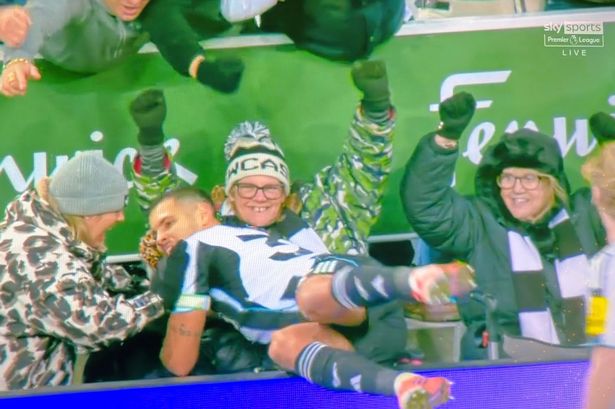
Bruno Guimarães’ recent leap into the crowd to embrace a disabled Newcastle fan is more than just a heartwarming moment; it illuminates a shift in how we experience sports. This act, lauded across social media, suggests a changing expectation for athletes. Are they simply performers, or do fans now demand a deeper connection?
It’s worth noting that the athlete-fan relationship has always been a complex dance. Players provide the on-field action, while fans supply the emotional and financial fuel. Yet, something feels different now. The proliferation of social media has blurred the lines. We see behind-the-scenes glimpses, creating a sense of intimacy that barely existed a decade ago. >
>
Guimarães’ celebration resonated because it was authentic. It moved beyond the staged gestures we often see. It suggested a genuine connection, a feeling that he recognized and valued the fan’s support. This challenge becomes, how do teams foster this kind of connection while maintaining the necessary distance for professional performance?
Still, let’s not get overly sentimental. Cynicism, albeit mild, is warranted. There’s an undeniable PR aspect to these displays. Teams and athletes are acutely aware of their image. Calculated acts of kindness can boost popularity, drive merchandise sales, and cultivate a loyal following. Does that diminish the act itself? Not necessarily.
To that end, the incident also brings to the surface the increasing importance of inclusivity in sports. Celebrating with disabled fans isn’t just a nice gesture; it communicates a powerful message. It says that everyone, regardless of physical ability, is welcome and valued within the sports community. This development is a positive trend.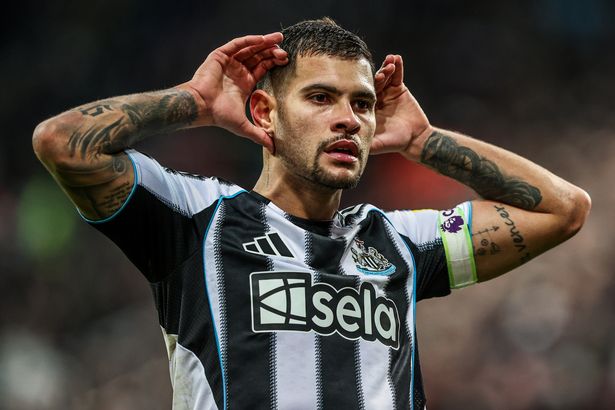 >
>
Given these facts, sports organizations are starting to pay more attention to accessibility and diversity initiatives. They understand that creating a welcoming environment for all fans is not just ethically right but also good for business. A broader fan base translates to increased revenue streams.
However, this progress isn’t without its hurdles. Ensuring genuine inclusivity goes beyond surface-level actions. It requires addressing systemic issues such as stadium accessibility, affordable ticket prices, and representation in media coverage. These are significant challenges.
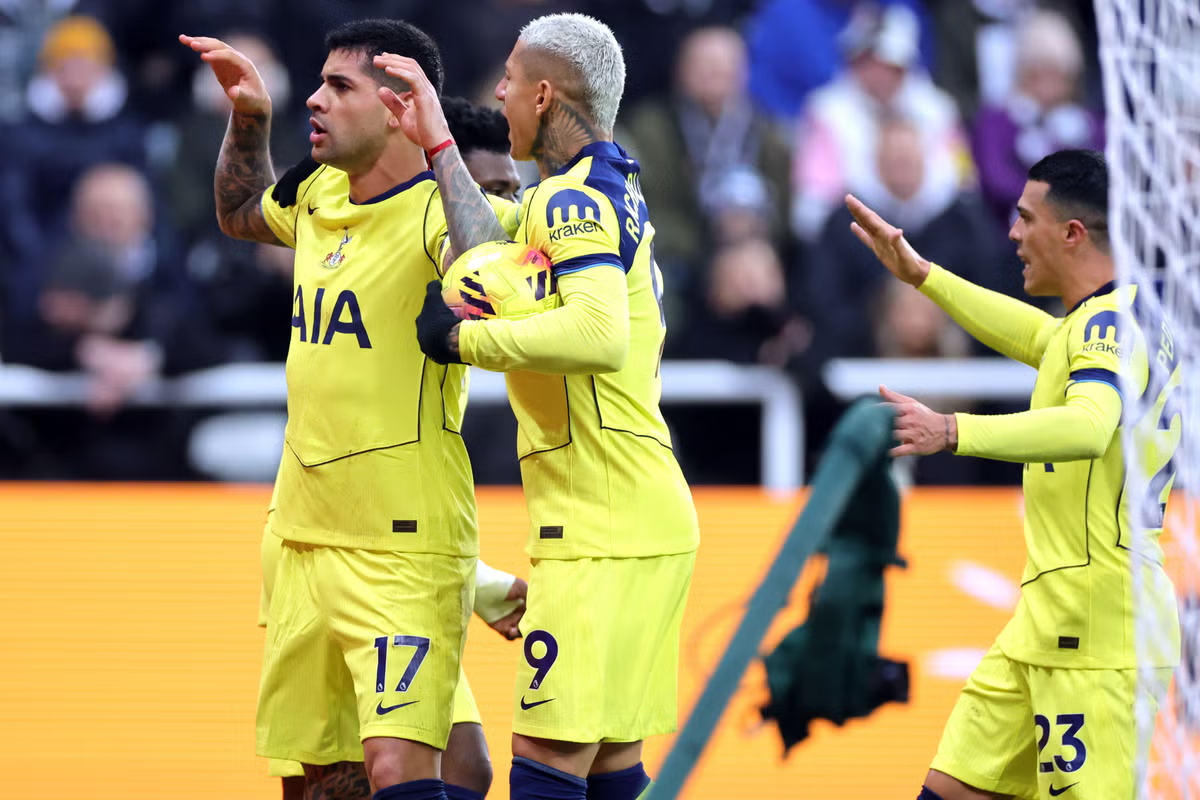
The backlash against Cristian Romero mocking Guimarães’ celebration underscores another dynamic. Sports are tribal. Passion runs deep. What one fan perceives as lighthearted banter, another sees as an act of aggression. This highlights the delicate balance athletes must strike between expressing personality and respecting rivalries.
Looking ahead, technology will continue to shape fan engagement. Augmented reality experiences, personalized content, and interactive platforms are poised to redefine how we connect with our favorite teams and athletes. However, the human element, the authentic connection exemplified by Guimarães’ hug, will likely remain paramount.
I’ve seen these cycles before, the ebb and flow of sentiment in sports. Moments of genuine connection stand out precisely because they contrast with the often-hyper-commercialized and sometimes-contrived nature of the industry.
Yet, the question remains: can these moments of authentic connection be scaled? Can teams and leagues truly manufacture genuine emotion? My suspicion is that the most impactful moments will always be those that arise organically, unplanned and unscripted. It’s the genuineness that resonates.
In any case, the Guimarães’ celebration offers a glimpse into the future of sports fan engagement. It’s a future where fans demand more than just athletic prowess. They crave connection, authenticity, and a sense of belonging. The teams and athletes who can deliver on those demands will be the ones who thrive. They will build lasting relationships and foster a loyal following that extends far beyond the final whistle. The beautiful game grows even more beautiful when everyone feels invited to play their part.

![[post_title]](https://samony.com.ng/wp-content/uploads/2025/12/1764722359_Stocks-Bounce-Back-With-Tech-Led-Gains-Stock-Market-Today-300x201.jpg?lm=692F86BA "AI-Fueled Rally: Hope or Hype?")
![[post_title]](https://samony.com.ng/wp-content/uploads/2025/12/Court-Discharges-Michael-Adenuga-Of-N5Bn-Fraud.webp-300x169.jpeg?lm=692F8734 "Adenuga Cleared in N5 Billion Fraud Case: Implications for Nigeria’s Anti-Corruption Fight")
![[post_title]](https://samony.com.ng/wp-content/uploads/2025/12/Commissioner-commends-PREMIUM-TIMES-investigation-as-Ogun-Lagos-launch-joint-300x178.jpeg?lm=692F8398 "Nigeria Lead Crisis: Industrial Pollution Sparks Regulatory Action")
![[post_title]](https://samony.com.ng/wp-content/uploads/2025/12/The-Polaroid-Flip-my-favorite-retro-instant-camera-is-cheaper-300x156.jpg?lm=692F82B5 "Polaroid Flip: Instant Photography’s Future in Focus")
![[post_title]](https://samony.com.ng/wp-content/uploads/2025/12/Police-debunks-report-alleging-mass-kidnapping-at-Ngor-Okpala-axis-in-300x225.jpg?lm=692F7EF0 "Imo Kidnapping Report: Truth, Fear, and the Digital Age")

![[post_title]](https://samony.com.ng/wp-content/uploads/2025/12/1764723204_Claudia-Black-Discusses-Star-Wars-Series-Season-2-More-1024x576.jpg?lm=692F8A05 "Claudia Black Reveals Why She Won’t Return for “Ahsoka” Season 2")
![[post_title]](https://samony.com.ng/wp-content/uploads/2025/12/1764722359_Stocks-Bounce-Back-With-Tech-Led-Gains-Stock-Market-Today-1024x686.jpg?lm=692F86BB "AI-Fueled Rally: Hope or Hype?")
![[post_title]](https://samony.com.ng/wp-content/uploads/2025/12/Court-Discharges-Michael-Adenuga-Of-N5Bn-Fraud.webp.jpeg?lm=692F8733 "Adenuga Cleared in N5 Billion Fraud Case: Implications for Nigeria’s Anti-Corruption Fight")
