![[post_title]](https://samony.com.ng/wp-content/uploads/2025/11/1764383277_Santos-x-Sport-confira-a-transmissao-da-Jovem-Pan-ao.jpeg?lm=692A5A2D)
Analyzing the Evolution of Sports Broadcasting: More Than Just the Game
The way we consume sports – from live games to in-depth analysis – is changing. It’s not just about flipping on the TV anymore. Take, for instance, Jovem Pan’s broadcast of the Santos x Sport match. It exemplifies a broader trend: the convergence of traditional media with digital platforms, specifically YouTube.
This move isn’t revolutionary in itself. Yet, it showcases how media companies are grappling with a fragmented audience. Linear TV viewership is declining, especially among younger demographics. To stay relevant, broadcasters need to meet fans where they already are: online.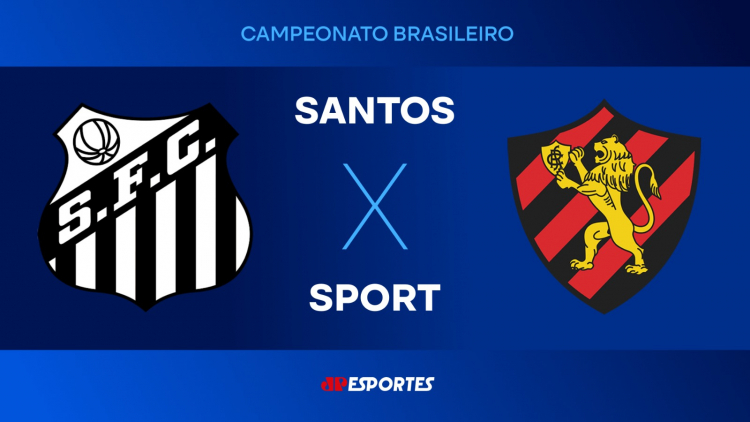 >
>
Consider the motivations at play. For Jovem Pan, streaming the game on YouTube extends their reach. It creates opportunities to engage with a digital-native audience that might not tune into their radio broadcasts. For viewers, it offers convenience and often, a free alternative to traditional cable or satellite subscriptions.
One challenge here is monetization. While YouTube offers ad revenue, it rarely matches the income generated from traditional broadcast rights. Broadcasters must explore other revenue streams, such as sponsorships, premium content, or interactive features, to offset the difference. Think about it – can they turn online viewers into paying subscribers for exclusive content? That’s the real test.
Live sports remain a valuable commodity. They draw large audiences in real time. This is something that scripted entertainment struggles to replicate. This appeal makes them attractive to both traditional and digital media players. Yet, the increasing cost of broadcast rights presents a hurdle. Companies are seeking innovative ways to share these costs and maximize their return on investment.>
It’s worth noting the rise of Over-The-Top (OTT) streaming services dedicated to sports. ESPN+, DAZN, and others have carved out significant market share. These platforms offer exclusive content, on-demand replays, and interactive features, catering to the demands of the modern sports fan. Still, success in the OTT space requires significant investment in technology, content acquisition, and marketing. It is a fiercely competitive arena.
The changing media landscape also impacts the role of commentators and analysts. Fans increasingly expect more than just play-by-play commentary. They want in-depth analysis, data-driven insights, and engaging personalities. Broadcasters are responding by hiring former athletes, experienced coaches, and data scientists to enhance their coverage. The Santos x Sport broadcast mentioned commentators alongside reporters; this is becoming standard fare.
This creates opportunities for new talent. Still, it also raises questions about journalistic integrity. There’s a risk of bias when commentators have close ties to teams or leagues. It’s a challenge for broadcasters to maintain objectivity while delivering compelling content.
Looking ahead, expect to see further experimentation with new technologies. Augmented reality (AR) and virtual reality (VR) could enhance the viewing experience. Imagine watching a game through a VR headset, with real-time stats and player information overlaid on the field. The possibilities are tantalizing.
Personalization is another key trend. Broadcasters are using data analytics to tailor content to individual viewers. Think about customized highlight reels, personalized recommendations, and interactive features based on fan preferences. Still, the industry needs to be mindful of privacy concerns and ensure that data is used responsibly.
Consider the social media aspect. Platforms like Twitter and Facebook have become integral to the sports viewing experience. Fans use social media to discuss games, share opinions, and connect with other fans in real-time. Broadcasters are integrating social media into their broadcasts to engage with viewers and drive traffic to their platforms. This can be powerful.
Another thing I’ve seen develop involves piracy. Illegal streaming remains a persistent problem for the sports broadcasting industry. It undermines legitimate revenue streams and devalues content. Broadcasters are investing in anti-piracy measures, such as watermarking technology and legal action against illegal streaming sites. Still, piracy is a cat-and-mouse game. It requires constant vigilance and innovation to stay ahead.
This challenge is only exacerbated by the increasing availability of high-speed internet and the proliferation of streaming devices. It’s easier than ever for fans to access illegal streams. To that end, educating fans about the risks of piracy and offering affordable, legitimate alternatives is vital.
In any case, the sports broadcasting industry is in a state of flux. Technological advancements, changing consumer behavior, and economic pressures are reshaping the landscape. The companies that adapt to these changes and embrace innovation will be the ones that thrive. Jovem Pan’s move to stream the Santos x Sport match on YouTube is just one example of this adaptation. It’s a sign of things to come.

![[post_title]](https://samony.com.ng/wp-content/uploads/2025/11/NTAC-Anti-Corruption-Unit-Holds-Sensitization-Programme-Focused-on-Integrity-and-300x218.jpg?lm=692A599C "NTAC Tackles Corruption: Sincerity or Show?")

![[post_title]](https://samony.com.ng/wp-content/uploads/2025/11/1764380166_House-Democrats-Propose-Misguided-HSA-Reforms-300x200.jpg?lm=692A4E09 "Wait, Are Democrats Messing Up Health Savings Accounts? A Reality Check")
![[post_title]](https://samony.com.ng/wp-content/uploads/2025/11/Our-favorite-gear-from-Apple-Bose-Sony-and-more-is-300x156.jpg?lm=692A4EAF "Decoding Black Friday 2025: Are Those “All-Time Low” Tech Deals Real?")
![[post_title]](https://samony.com.ng/wp-content/uploads/2025/11/Snowy-Mountains-farmers-call-for-support-in-managing-spread-of-300x169.jpeg?lm=692A4F3D "African Lovegrass: Australia’s Costly Weed Crisis")


![[post_title]](https://samony.com.ng/wp-content/uploads/2025/11/ADC-Strengthens-Ranks-Welcomes-Defector-Followers-Into-Fold-In-Imo.jpg?lm=692A5A79 "Imo ADC: Defection, Ambition, and the 2027 Horizon")
![[post_title]](https://samony.com.ng/wp-content/uploads/2025/11/NTAC-Anti-Corruption-Unit-Holds-Sensitization-Programme-Focused-on-Integrity-and.jpg?lm=692A599B "NTAC Tackles Corruption: Sincerity or Show?")