

Navigating the Shifting Sands of the Space Industry: A Critical Look
The space industry is anything but static. We’re seeing movement on multiple fronts, from Europe’s efforts to foster competition to South Korea’s continued strides in rocket development. It raises some interesting questions about the future landscape.
Europe, specifically, is making a bold play. The European Launcher Challenge, now flush with over a billion dollars, signals a serious attempt to shake up the launch market. ESA’s strategy is clear: inject funding into emerging rocket companies and, by extension, offer themselves and other European entities more choices beyond Arianespace. Arianespace has long been a dominant player, and frankly, a little internal competition could be healthy.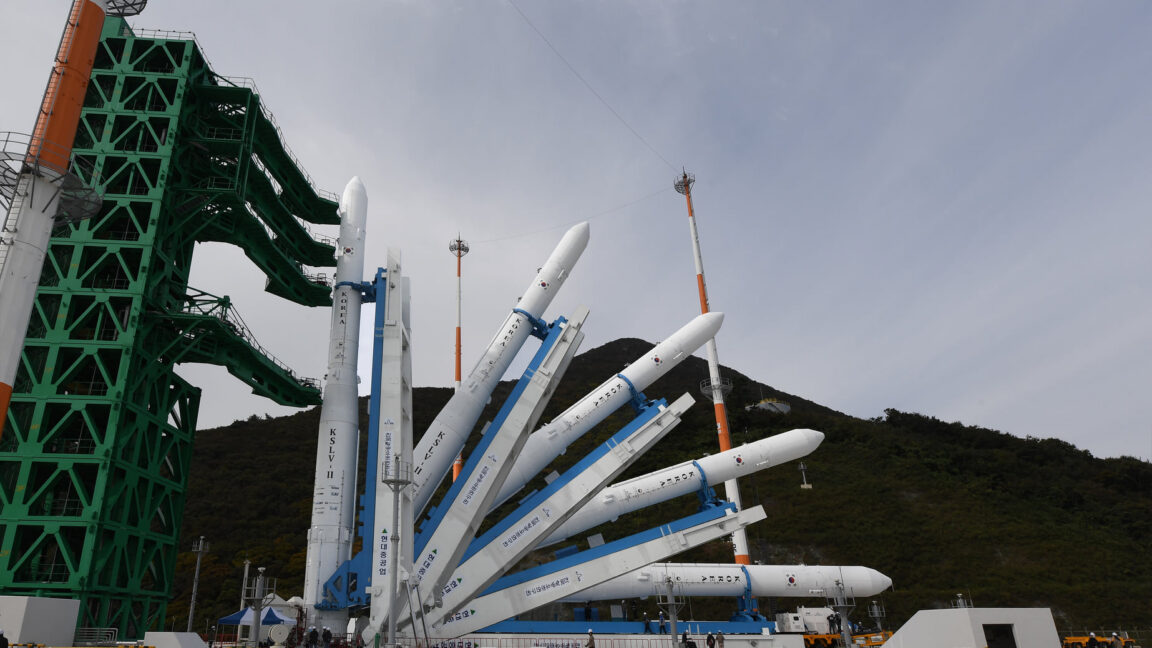 >
>
Yet, the way ESA has approached this is, shall we say, deliberate. They pre-selected a handful of companies – Isar Aerospace, Rocket Factory Augsburg, PLD Space, MaiaSpace, and Orbex – and then negotiated funding with their respective home countries. Germany’s hefty contribution, unsurprisingly, reflects its two companies in the running. France, Spain, and the UK are also chipping in significantly. Seems logical but this approach, while strategic, also feels a little…orchestrated. Will these pre-selected companies truly become competitive, or will they become reliant on government life support? That’s the billion-dollar question, literally.
It’s worth observing Arianespace’s recent launch of South Korea’s Kompsat-7 satellite. This highlights a changing dynamic. The fact that it’s their first non-European customer launch in over two years speaks volumes. Arianespace’s backlog is heavily weighted towards European entities and Amazon’s Project Kuiper. This begs the question: Is Arianespace too focused on internal European needs and the allure of big contracts like Kuiper, potentially overlooking opportunities elsewhere? Diversity of clientele is key for long-term stability, in my book.
Then there’s South Korea. Their Nuri rocket program is steadily progressing. After an initial setback, they’ve achieved three successful orbital launches. What grabs my attention, however, is the planned handover of space technologies to the private sector, specifically Hanwha Aerospace. This is a smart move. Government-led initiatives can only go so far. True innovation thrives when private companies have skin in the game. The planned fifth and sixth Nuri launches in 2026 and 2027 will be crucial indicators of how well this transition is going.>
The space sector is notoriously capital-intensive. Private sector involvement is usually a positive sign.
Looking at the bigger picture, several themes emerge. First, there’s a growing desire for sovereign launch capabilities. Nations want control over their access to space, and they’re willing to invest heavily to achieve it. Second, competition is heating up. Europe’s Launcher Challenge is just one example. SpaceX, Blue Origin, and a host of smaller players are all vying for a piece of the pie. This increased competition should, in theory, drive down costs and foster innovation.
Yet, it also creates a risk of market saturation. How many launch providers can the market realistically support? There will be winners and losers, and I suspect we’ll see consolidation in the years to come.
Given these facts, what does it all mean? For one, the space industry is becoming increasingly multi-polar. The US is no longer the sole dominant force. Europe, South Korea, and other nations are emerging as serious players. Two, government funding will continue to play a crucial role, but the long-term success of any space program hinges on the ability to attract private investment and generate commercial revenue.
This challenge will define the next decade of space exploration and development. Those who can successfully navigate these shifting sands will be the ones who shape the future of space. It will be fascinating to monitor the progress and the pitfalls. Each player has a role to play, and the coming years are likely to be full of surprises. My gut tells me we’re in for a wild ride.

![[post_title]](https://samony.com.ng/wp-content/uploads/2025/12/Arne-Slot-Backs-Salah-After-Surprise-Liverpool-Bench-Role.jpg?lm=6932DB7F "Slot’s Liverpool: Balancing Data and Star Power")
![[post_title]](https://samony.com.ng/wp-content/uploads/2025/12/1764940473_Meghan-McCain-skewers-Tucker-Carlson-after-his-guests-bizarre-fat-300x200.jpeg?lm=6932DABD "Meghan McCain skewers Tucker Carlson after his guest’s bizarre fat shaming comments during Milo interview")


![[post_title]](https://samony.com.ng/wp-content/uploads/2025/12/Galatasaray-seek-to-get-back-in-groove-as-unbeaten-Samsunspor-300x169.jpg?lm=6932C54B "Galatasaray and Samsunspor Clash: Süper Lig Showdown")

![[post_title]](https://samony.com.ng/wp-content/uploads/2025/12/1764942368_I-burst-cry-Doctor-cries-out-over-tax-deduction-1024x535.jpg?lm=6932E223 "Nigeria’s 2026 Tax Reforms: A Bitter Pill for Some?")
![[post_title]](https://samony.com.ng/wp-content/uploads/2025/12/1764940473_Meghan-McCain-skewers-Tucker-Carlson-after-his-guests-bizarre-fat-1024x683.jpeg?lm=6932DAC1 "Meghan McCain skewers Tucker Carlson after his guest’s bizarre fat shaming comments during Milo interview")
