

![[post_title]](https://samony.com.ng/wp-content/uploads/2025/12/1766121257_Ice-cream-recalled-in-US-due-to-potential-presence-of.jpeg?lm=6944DF29)
National food safety authorities have initiated a recall for thousands of pints of So Delicious Dairy Free Salted Caramel Cluster Non-Dairy Frozen Dessert across the United States. The voluntary action by manufacturer Danone U.S. comes amidst concerns over the potential presence of “small stones and other hard objects” within the product. This immediate alert urges consumers to exercise caution due to the risk of injury.
The U.S. Food and Drug Administration (FDA) first reported the recall, which specifically targets pints of the popular dairy-free frozen dessert. Investigators determined that the foreign materials are linked to the cashew pieces incorporated into the product. This discovery prompted a swift response from the company to safeguard public health and uphold product integrity.
Affected products bear specific identification markers to assist consumers in verifying their purchases. The recalled pints carry an expiration date of August 8, 2027, along with the SKU number 136603 and UPC 744473476138. While no illnesses or injuries have been reported to date, the company emphasizes the importance of immediate action to prevent any potential harm.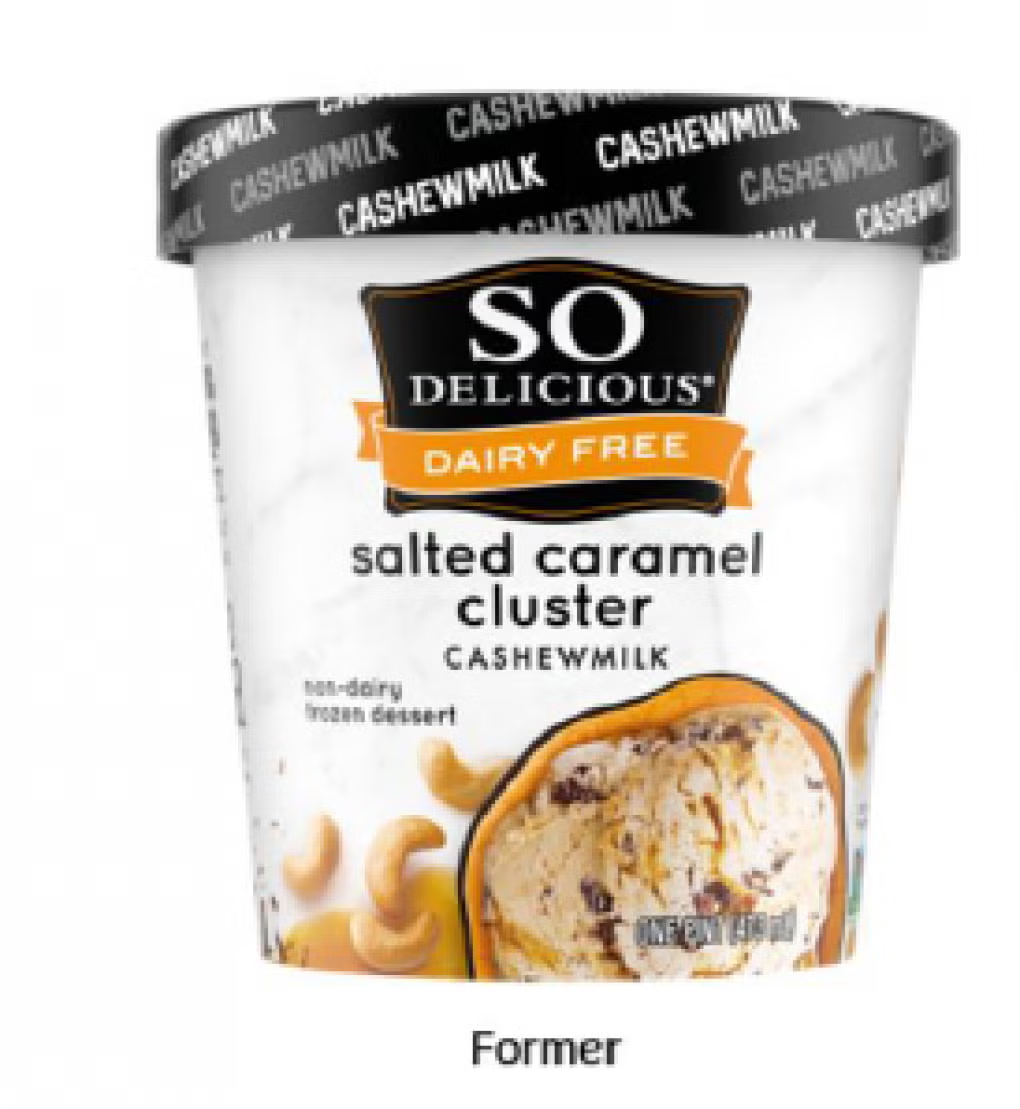
Danone U.S. has confirmed that it is actively collaborating with its retail partners nationwide to ensure the prompt removal of all potentially impacted products from store shelves. Consumers who possess the recalled ice cream are advised either to dispose of it immediately or to contact So Delicious Dairy Free directly for a full refund. This measure aims to mitigate any risk efficiently.
The manufacturer has also announced that it has successfully identified and corrected the root cause of the contamination issue. Following the implementation of enhanced quality control measures, the company intends to reintroduce the beloved frozen dessert to the market. This commitment underscores its dedication to consumer safety and product excellence moving forward.
Food recalls, such as this one, serve as a critical mechanism in protecting public health, highlighting the continuous vigilance required within the food manufacturing industry. The presence of foreign objects poses significant risks, including choking hazards, dental damage, or internal injuries, making prompt action by both manufacturers and consumers paramount. The FDA plays a pivotal role in overseeing these processes.
This incident is not isolated, as the food industry frequently faces challenges related to product safety and quality. Just last month, another well-known brand, Jeni’s Splendid Ice Creams, issued a voluntary recall for a batch of its Passion Fruit Dreamsicle Ice Cream Bars. That recall was due to the undeclared presence of wheat and soy, posing a serious threat to individuals with allergies or severe sensitivities.
The Jeni’s recall stemmed from a manufacturing error where a crunch topping, intended for a different product, was inadvertently introduced to the Passion Fruit Dreamsicle bars. This topping contained the undeclared allergens, underscoring the complexities of production lines and the critical need for stringent allergen control protocols to prevent potentially life-threatening allergic reactions in consumers.
In another recent food safety alert, Ventura Foods recalled 3,556 cases of various salad dressings due to the potential contamination with black plastic planting material. This recall, upgraded to a “Class II” designation, indicated that consumption of the product could lead to significant health consequences, highlighting the diverse range of foreign materials that can compromise food safety.
The affected Ventura Foods dressings, distributed across 42 states through seven different retailers, included popular varieties such as Caesar Dressing from Costco Service Deli and Food Court, Pepper Mill Creamy Caesar Dressing, and Italian Salad Dressing. Such widespread distribution amplifies the challenge of recalls and necessitates efficient communication channels to reach all potentially impacted consumers.
These successive recalls underscore the inherent challenges in maintaining absolute purity and safety across complex food supply chains. Manufacturers invest heavily in quality assurance, but human error, mechanical failures, or raw material contamination can still lead to incidents. Robust internal controls and swift corrective actions remain essential to mitigate risks.
Ultimately, the responsibility for food safety is shared between producers, regulators, and consumers. While companies work to prevent contamination and rectify issues, consumers must remain informed about recall notices and adhere to guidance provided by health authorities. This collective vigilance ensures the highest possible standards for the food consumed daily, protecting public health effectively.

![[post_title]](https://samony.com.ng/wp-content/uploads/2025/12/Davido-to-perform-at-AFCON-2025-official-kick-off-concert-300x169.jpg?lm=69451579 "Davido to Headline AFCON 2025 Kick-Off Concert in Rabat")

![[post_title]](https://samony.com.ng/wp-content/uploads/2025/12/Man-proposed-to-his-two-girlfriends-during-a-live-football-300x150.jpg?lm=6945107C "Viral Double Proposal Stuns Fans at Mexican Football Match")


![[post_title]](https://samony.com.ng/wp-content/uploads/2025/12/1766131866_Liverpools-Dominik-Szoboszlai-hoping-to-be-fit-for-Tottenham-game-300x200.jpg?lm=6945089B "Liverpool Squad Battles Injuries Ahead of Crucial Tottenham Match")


![[post_title]](https://samony.com.ng/wp-content/uploads/2025/12/1765557443_Epstein-files-live-updates-New-photos-from-personal-collection-show.jpeg?lm=693C44C3 "DOJ Confronts Deadline for Release of Thousands of Epstein Files")
![[post_title]](https://samony.com.ng/wp-content/uploads/2025/12/Davido-to-perform-at-AFCON-2025-official-kick-off-concert-1024x577.jpg?lm=6945157D "Davido to Headline AFCON 2025 Kick-Off Concert in Rabat")

