

![[post_title]](https://samony.com.ng/wp-content/uploads/2025/12/Why-does-the-Scandinavian-sleep-method-work-for-so-many.jpeg?lm=69459B8B)
A simple sleeping arrangement, known as the Scandinavian sleep method, is gaining traction among couples seeking to resolve nighttime disputes over bedding and temperature. This approach involves each partner using their own blanket, a practice that proponents say significantly improves sleep quality and reduces marital friction. The method, reportedly popular in Scandinavian countries, emphasizes individual comfort while maintaining shared intimacy in the same bed.
The core principle of the Scandinavian sleep method is to address the common issue of differing thermal preferences between partners. One individual might feel excessively hot under a shared duvet, while the other shivers, leading to a nightly tug-of-war over the covers. By providing each person with their own blanket, the method allows for independent temperature regulation, ensuring both partners can achieve a comfortable sleep environment.
While specific scientific studies directly validating the “two blankets versus one” scenario are limited, the method aligns with established principles of good sleep hygiene. Factors influencing sleep quality, such as maintaining an optimal sleep environment and managing body temperature, are well-documented. The Scandinavian sleep method indirectly supports these principles by enabling individuals to control their personal microclimate, thus minimizing disruptions that can arise from shared bedding.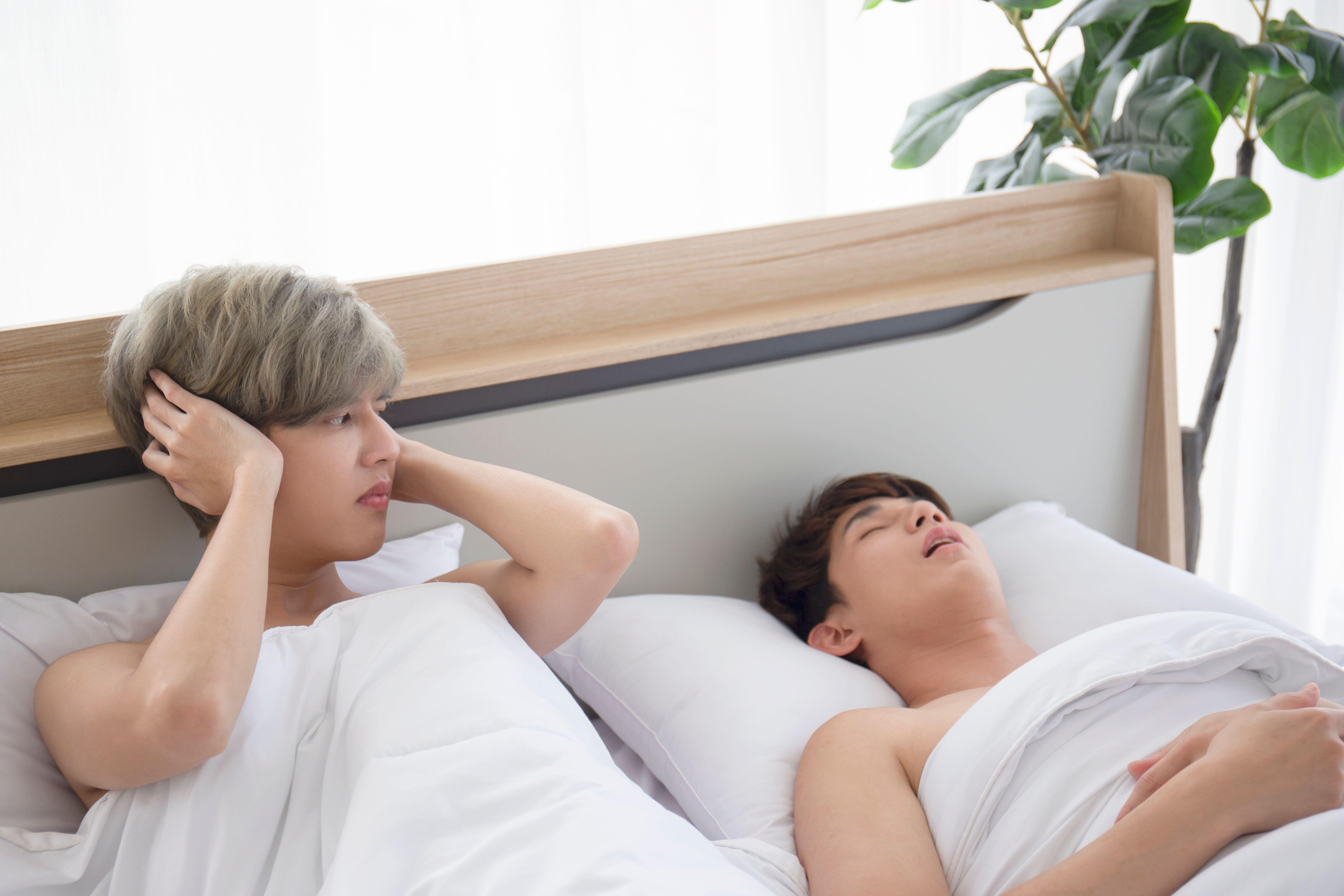
Differences in body temperature regulation are common between individuals and can be influenced by a variety of factors. Age, body composition, hormonal fluctuations, and even whether someone is a morning or evening person can contribute to being a “hot sleeper” or a “cold sleeper.” These variations explain why one partner might prefer lightweight, breathable fabrics, while the other opts for heavier, insulating materials to retain heat.
Furthermore, physiological differences between sexes can contribute to divergent sleep temperature needs. For instance, women’s hands and feet often maintain lower skin temperatures to preserve core body heat, potentially leading to a desire for more warmth under the covers compared to male partners. Menopausal women may also experience hot flashes, further complicating shared sleeping arrangements and highlighting the need for personalized bedding solutions.
Beyond temperature, the Scandinavian sleep method can also mitigate sleep disturbances caused by a partner’s movement or habits. Restlessness, tossing and turning, or even differing bedtimes can disrupt sleep. Separate blankets can help minimize the impact of these disturbances, allowing each individual to maintain their sleep continuity, especially if one partner tends to hog the covers or wake more frequently.
However, adopting the Scandinavian sleep method may present its own set of challenges. Making the bed can become more complex, and spontaneous bedtime cuddles might require more adjustment. On smaller beds, ensuring two separate blankets remain stable without sliding off can also be an issue. These practical considerations mean the method is more of a “sleep hygiene hack” than a universally prescribed medical treatment.
Ultimately, for couples struggling with incompatible sleep comfort needs, whether due to temperature differences, blanket hogging, or restless nights, the Scandinavian sleep method offers a practical and accessible solution. It empowers individuals to take control of their sleep environment and potentially improve their overall well-being and relationship harmony. While not a guaranteed cure-all, it presents a compelling approach to achieving more restful nights for all involved.

![[post_title]](https://samony.com.ng/wp-content/uploads/2025/12/1766168205_Full-speech-of-President-Tinubu-during-2026-budget-presentation-300x200.jpg?lm=6945968F "President Tinubu Unveils 2026 Budget of Consolidation, Resilience")
![[post_title]](https://samony.com.ng/wp-content/uploads/2025/12/1766164302_Tourist-says-she-suffered-concussion-and-neck-injuries-on-same.jpg?lm=6945874E "Tourist Sues Universal Orlando Over Ride Injuries After Fatal Incident")
![[post_title]](https://samony.com.ng/wp-content/uploads/2025/12/1766164350_David-Walliams-dropped-by-publisher-after-claims-he-harassed-female-300x158.jpg?lm=69458780 "David Walliams Dropped by HarperCollins Amid Harassment Allegations")

![[post_title]](https://samony.com.ng/wp-content/uploads/2025/12/1766167937_BREAKING-Kylie-Minogue-beats-WHAM-to-UK-Christmas-number-one-300x158.jpg?lm=69459582 "Kylie Minogue Claims Christmas Number One After 22 Years")


![[post_title]](https://samony.com.ng/wp-content/uploads/2025/12/WATCH-Court-Remands-Imo-Woman-For-Burning-5-Year-Old-Maids-Private.png?lm=6945845C "Imo Woman Remanded for Brutal Attack on 5-Year-Old Maid")
![[post_title]](https://samony.com.ng/wp-content/uploads/2025/12/1766168205_Full-speech-of-President-Tinubu-during-2026-budget-presentation-1024x683.jpg?lm=6945968F "President Tinubu Unveils 2026 Budget of Consolidation, Resilience")
