![[post_title]](https://samony.com.ng/wp-content/uploads/2025/11/1764387075_Decisao-da-arbitragem-em-Santos-x-Sport-gera-revolta-Clarissimo-1024x576.jpg?lm=692A6907)
Santos vs. Sport: A Critical Look Beyond the Scoreboard
The recent Santos-Sport match wasn’t just another Brasileirão fixture; it was a microcosm of broader trends impacting football officiating and the fan experience. Initial reports focused on a controversial penalty decision early in the game, igniting the usual social media firestorm. Yet, stepping back, what does this specific incident reveal about the direction football is heading?
First, let’s address the obvious: the supposed foul on Guilherme. From replays, it looked questionable, a tangle of legs that could be interpreted either way. This, of course, is precisely the problem. Subjectivity remains a massive sticking point despite the advent of VAR. Referees, under immense pressure and scrutinizing plays in mere seconds, still wield significant influence, and inconsistencies invariably arise.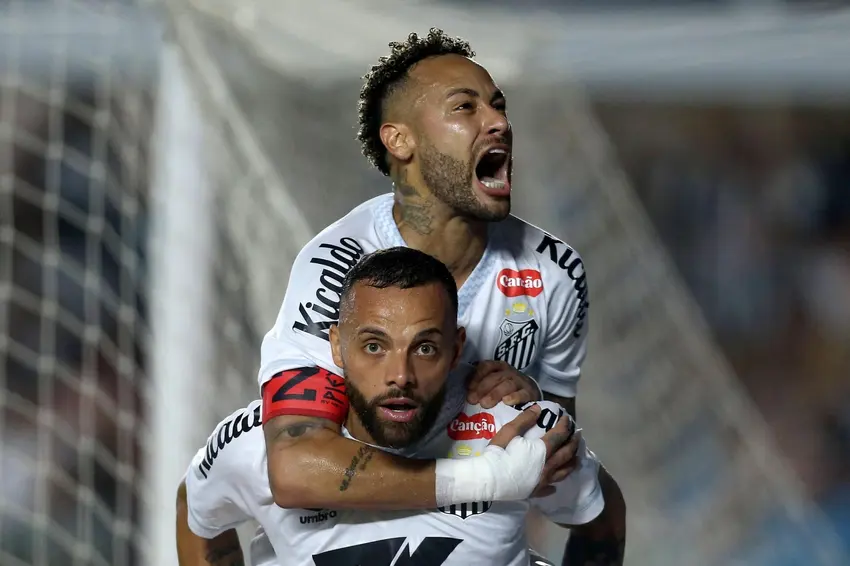 >
>
VAR was meant to eliminate clear and obvious errors. It was meant to deliver transparency. Instead, it often feels like a second guessing game. The constant stoppages and the drawn-out review process disrupts the flow of the game. This leads to frustration, not just for supporters of the targeted team, but for neutral observers. It’s like the sports version of slow internet — clunky and annoying.
The Santos game underscores this feeling. Fans erupted online, echoing familiar sentiments of unfairness. Social media became a platform for venting, adding to the pressure on referees. It presents a challenge: how do we maintain accountability without turning every match into a stop-start affair?
Neymar’s presence, naturally, elevated the stakes. Whether orchestrating plays from a deeper position or flashing moments of individual brilliance, his involvement ensured the spotlight remained firmly on the match. It’s always fascinating to examine how a star player can influence officiating, even subconsciously. Do referees become more hesitant to make certain calls? Do they err on the side of caution? These are questions worth exploring, though difficult to quantify.>
Consider the overall context: Santos fighting to avoid relegation, Sport already relegated. This creates a pressure cooker environment where every decision seems magnified. Knowing the stakes, how does that impact a referee’s thought process? In theory, it shouldn’t. But humans aren’t robots.
The game itself saw Santos ultimately triumph, spearheaded by Neymar and aided by an own goal and other successful attacks. This victory, however, doesn’t negate the impact of that early contentious call. It plants a seed of doubt, regardless of the final result. It influences narratives and shapes perceptions.
It’s worth noting how quickly narratives form in the modern football landscape. A single controversial play can dominate headlines, overshadowing tactical nuances or individual performances. This highlights the media’s role in shaping fan sentiment and driving the discourse around the sport.
Looking ahead, the challenge is to refine the use of technology without sacrificing the game’s natural rhythm. Perhaps further exploring AI-assisted officiating could offer a path forward. Maybe refining the parameters for VAR intervention would reduce the number of marginal calls. It’s worth trying.
What transpired in the Santos-Sport game reflects a critical junction for football. It pushes us to ask tough questions about officiating, technology, and the very spirit of the game. Until these broader issues are addressed, those social media eruptions will be more commonplace than ever. The Santos-Sport game was more than just a match; it was a symptom of something larger, more complex, and in need of real solutions. We need to look beyond the highlight reels and address the underlying structures influencing the sport we love.

![[post_title]](https://samony.com.ng/wp-content/uploads/2025/12/1764998564_Ukraine-Russia-war-latest-Putin-risks-fresh-row-with-Trump-after-300x200.jpeg?lm=6933BDA8 "Ukraine War Reshapes Global Order: A Complex Web of Power, Diplomacy, and Risk")
![[post_title]](https://samony.com.ng/wp-content/uploads/2025/12/High-Risk-for-Frostbite-Heart-Strain-and-Chronic-Conditions-300x169.jpg?lm=6933A071 "Polar Vortex Here? What You MUST Know to Stay Safe")

![[post_title]](https://samony.com.ng/wp-content/uploads/2025/12/Full-List-Of-Lawmakers-Who-Refused-To-Dump-PDP-For.jpg?lm=6933A187 "Rivers State: Defection Dynamics and Political Fortunes")

![[post_title]](https://samony.com.ng/wp-content/uploads/2025/12/Dangote-Speaks-On-Reducing-Price-Of-Petrol-After-Meeting-Tinubu.webp.webp "Dangote Speaks On Reducing Price Of Petrol After Meeting Tinubu")
![[post_title]](https://samony.com.ng/wp-content/uploads/2025/12/1764998564_Ukraine-Russia-war-latest-Putin-risks-fresh-row-with-Trump-after-1024x683.jpeg?lm=6933BDAE "Ukraine War Reshapes Global Order: A Complex Web of Power, Diplomacy, and Risk")