

![[post_title]](https://samony.com.ng/wp-content/uploads/2025/11/1764492234_Eben-Etzebeth-ban-How-many-games-could-Springboks-lock-miss-1024x683.jpeg?lm=692C03CB)
Eben Etzebeth’s Red Card: A Look at Rugby’s Disciplinary Crossroads
Eben Etzebeth, a Springboks lock, recently received a red card for an apparent eye gouge during South Africa’s commanding victory over Wales. The incident casts a shadow over what should have been a celebration of Springbok rugby. This isn’t just about one player’s lapse in judgment; it highlights broader issues within the sport.
The match itself was a one-sided affair, a 73-0 drubbing that marked Wales’ heaviest home defeat. South Africa, showcasing their strength, ran in 11 tries against a weakened Welsh side. Yet, the game’s narrative quickly shifted once Etzebeth’s foul on Alex Mann occurred late in the contest.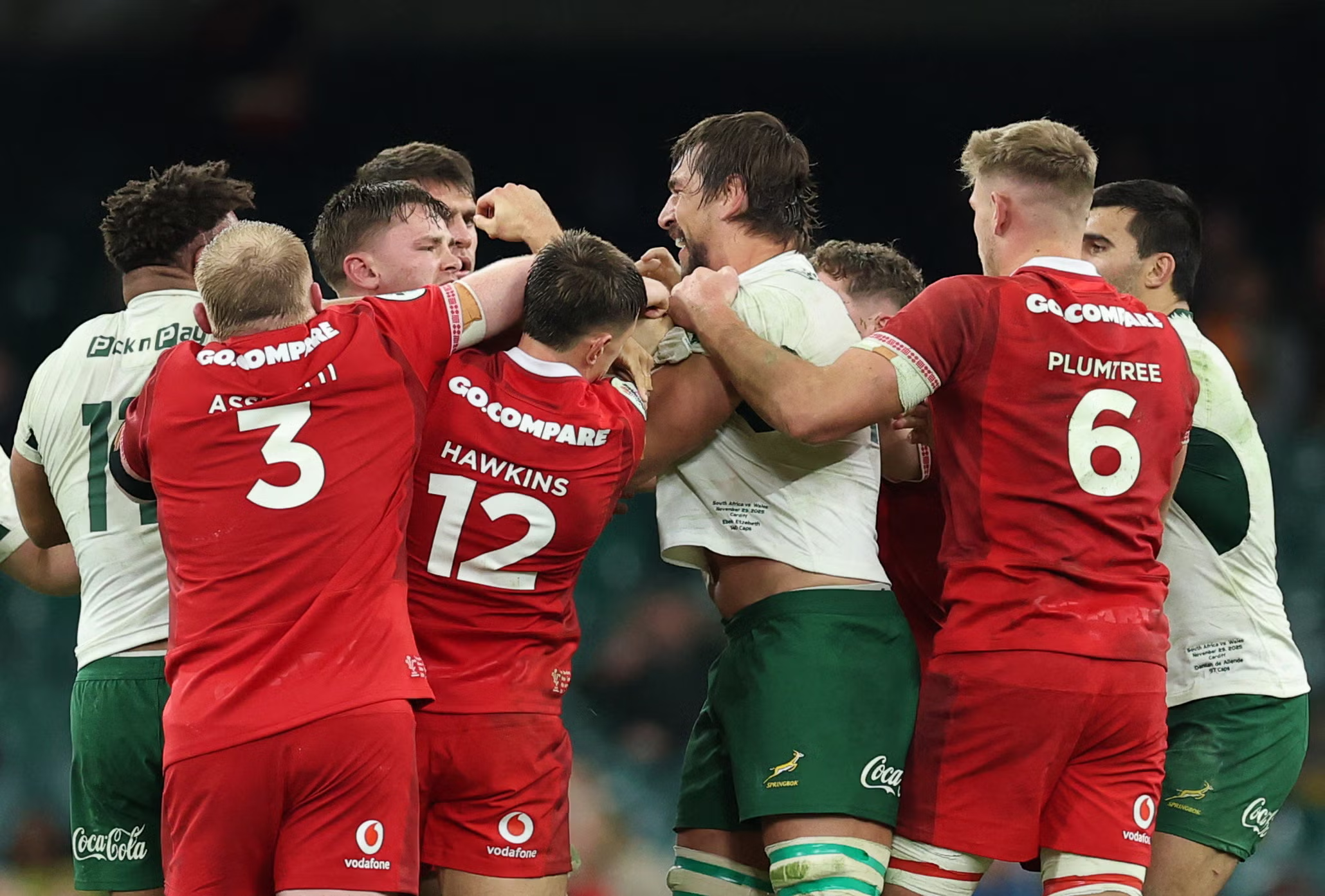 >
>
Following a review, the referee, guided by the television match official, determined that Etzebeth’s actions warranted a straight red card. World Rugby’s regulations dictate severe penalties for intentional contact with the eye, potentially leading to a lengthy ban for the veteran player. A suspension could range from 12 weeks at the low end to upwards of 24 weeks. In extreme cases, bans can even reach several years, although that is unlikely in this instance.
It’s worth noting that Etzebeth’s sending-off continues a worrying pattern. He is the third South African lock to receive a straight red card in November alone. Lood de Jager was previously sanctioned following a match against France, and while Franco Mostert’s red card against Italy was overturned, the sheer frequency of these incidents demands attention. This may require a closer examination of the Springboks’ discipline or perhaps even how referees are interpreting incidents involving their players.
Springboks captain Siya Kolisi suggested that Etzebeth didn’t act maliciously, hoping it would not be the main focus. Rassie Erasmus, the Springboks coach, admitted the incident “didn’t look good” and justified the red card. Still, he questioned whether the incident was provoked, revealing the complexity of such situations.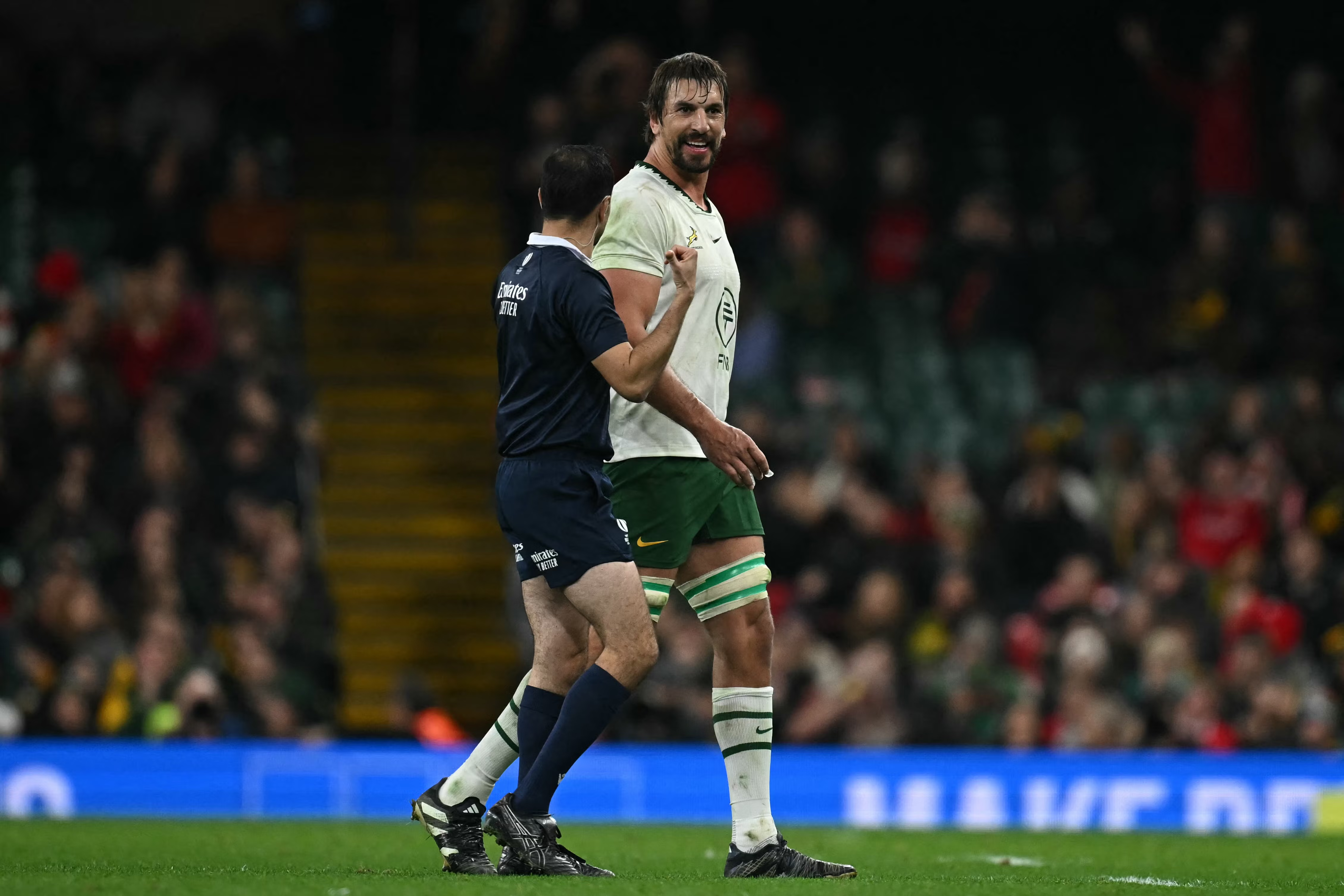 >
>
What does this mean for rugby going forward? The governing bodies need to consider a few things.
Player Welfare and Education: Strict penalties exist, but are players truly understanding the risks and consequences of these actions? Investment in player education, emphasizing the importance of on-field discipline and the dangers of foul play, seems vital. This could mean mandatory workshops, clearer guidelines, or even psychological support to manage on-field aggression.
Consistency in Officiating: The application of rules must be fair and consistent, across all matches and tournaments. Perceived inconsistencies erode trust in the officiating and can lead to player frustration. Perhaps increased transparency in the decision-making process, explaining the rationale behind red cards and bans, could improve understanding and acceptance.
The Role of TMO: TMO intervention is essential, yet its use can sometimes interrupt the flow of the game. Striking the correct balance between thorough review and maintaining the game’s momentum is a challenge. A clearer definition of when TMO intervention is appropriate, and potentially a time limit for reviews, might be beneficial.
Long-Term Impact: The Etzebeth incident, and the others preceding it, could damage the reputation of rugby. Nobody wants to see the sport known for violent acts. Protecting the game’s integrity is paramount. A proactive approach to discipline, combined with a commitment to player welfare, is crucial.
Looking at Etzebeth’s immediate future, his club, The Sharks, are set to participate in the Investec Champions Cup. Meanwhile, South Africa won’t be playing again until next year’s Nations Championship, when they’re scheduled to face England. The length of Etzebeth’s ban will determine his availability for both.
This situation isn’t unique. I’ve watched similar patterns emerge in other sports, where a series of high-profile incidents forces a reckoning with disciplinary procedures. In any case, rugby finds itself at a crossroads. The choices it makes now will shape the future of the sport. It’s not just about punishing individual players. It’s about creating a culture where player safety and fair play are the top priorities. The sport’s reputation, and its long-term sustainability, depend on it.

![[post_title]](https://samony.com.ng/wp-content/uploads/2025/11/1764492234_Eben-Etzebeth-ban-How-many-games-could-Springboks-lock-miss-300x200.jpeg?lm=692C03CB "Rugby’s Ticking Time Bomb: Can the Sport Tackle Discipline Before It Explodes?")
![[post_title]](https://samony.com.ng/wp-content/uploads/2025/11/1764491474_Brits-favourite-candy-has-secret-names-and-youll-never-guess-300x158.jpg?lm=692C00D5 "Wait, Jelly Babies Have Names?! My Childhood Is a Lie!")


![[post_title]](https://samony.com.ng/wp-content/uploads/2025/11/PDP-Crisis-Deepens-As-Lamido-Bature-Insist-Damagum-Anyanwu-Remain-300x200.jpg?lm=692BFB3B "Nigeria’s PDP: Leadership Tussle Threatens Party Unity")
![[post_title]](https://samony.com.ng/wp-content/uploads/2025/11/Lionel-Messi-Sets-New-Record-as-Inter-Miami-Win-Eastern.avif.avif?lm=692BFC30 "Messi Effect: Is MLS Finally Reaching Its Tipping Point?")

![[post_title]](https://samony.com.ng/wp-content/uploads/2025/11/1764491734_Heartbreaking-moment-female-military-officer-collapses-during-parade-1024x512.jpg?lm=692C01D7 "Nigerian Officer’s Collapse Sparks Military Welfare Concerns")
![[post_title]](https://samony.com.ng/wp-content/uploads/2025/11/Nenadi-Usman-Led-LP-Faction-Submits-34-Member-Leadership-List-to-INEC.jpg?lm=692C02AB "Labour Party Leadership Battle: Usman Faction Submits Rival List to INEC")
![[post_title]](https://samony.com.ng/wp-content/uploads/2025/11/1764491474_Brits-favourite-candy-has-secret-names-and-youll-never-guess-1024x538.jpg?lm=692C00D5 "Wait, Jelly Babies Have Names?! My Childhood Is a Lie!")
