The shocking scenes at a recent pre-season friendly, involving Warrington Wolves and Widnes Vikings supporters, have once again thrust the issue of rugby league fan violence into the spotlight. A 17-year-old boy was left with serious injuries, including a suspected bleed on the brain, following clashes both inside and outside the stadium. This incident serves as a stark reminder that while rugby league is a passionate sport, the safety and well-being of all attendees, particularly young fans, must remain paramount. Such events not only tarnish the sport’s image but also deter families and casual supporters from attending matches, threatening the very future of the game.
Historically, sporting events have occasionally been marred by instances of unruly fan behavior, with rugby league being no exception. While the vast majority of fans attend matches to enjoy the competitive spirit and camaraderie, a minority can unfortunately escalate rivalries into dangerous confrontations. Understanding the root causes of these disturbances is crucial for developing effective preventative strategies that protect spectators and preserve the integrity of the sport.
What causes fan violence at sporting events is a complex question with multiple contributing factors. Often, a potent mix of intense team rivalries, excessive alcohol consumption, and the anonymity of a crowd can fuel aggressive behavior. Social media also plays a role, with online provocations sometimes spilling over into real-world clashes. Furthermore, a sense of group identity, when taken to extremes, can lead individuals to participate in or condone violence against opposing fans, believing they are defending their club’s honor.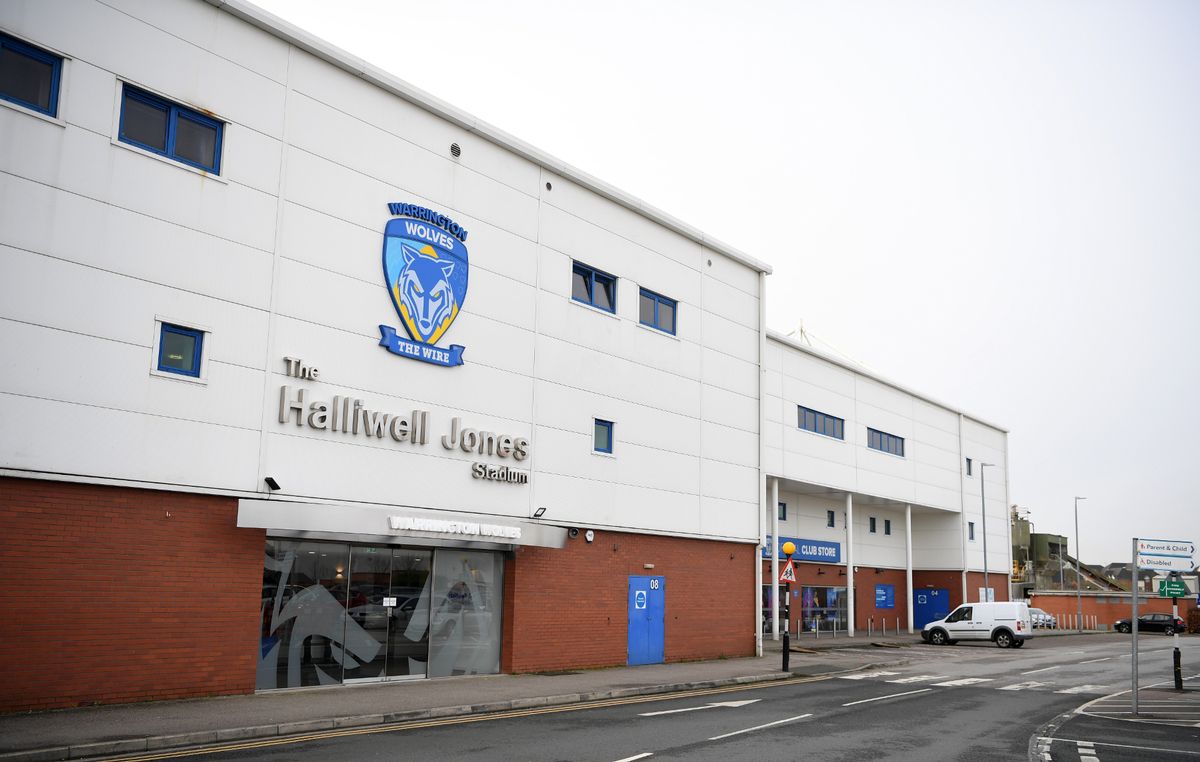
The ripple effect of such incidents extends far beyond the immediate victims. Families, especially those with young children, may feel unsafe attending games, impacting attendance figures and the overall match-day experience. The perception of a sport being unsafe can also deter new fans from engaging, limiting its growth and broader appeal. Clubs and governing bodies face significant reputational damage, alongside the financial burden of increased security measures and potential fines.
What is hooliganism in sports? Hooliganism in sports refers to disruptive, violent, or unruly behavior by fans, often associated with aggressive rivalry, alcohol consumption, and group identity. It can manifest as brawls, vandalism, or intimidation, posing significant safety risks to other attendees and damaging the sport’s reputation.
How to prevent stadium violence requires a multi-faceted approach involving collaboration between clubs, police, and fan groups. Enhanced security presence, including visible policing and trained stewards, is fundamental. Implementing stricter controls on alcohol sales, particularly closer to kick-off and during the match, can significantly reduce incidents. Additionally, proactive intelligence gathering to identify high-risk individuals and groups, coupled with effective CCTV monitoring, allows for early intervention before situations escalate.
When considering rugby league vs football fan violence, it is often perceived that football has a more pronounced history of widespread hooliganism. While historically true, it is vital for rugby league not to become complacent. The nature of rivalries and the intensity of support in both sports can, at times, manifest in similar ways. Both codes must continuously adapt and learn from each other’s experiences in managing crowd behavior, ensuring that isolated incidents do not become a systemic problem that defines the sport.
For every club, a comprehensive fan safety guide for sporting events is not merely a recommendation but a necessity. This guide should outline clear codes of conduct for attendees, detail emergency procedures, and provide contact information for reporting incidents. Promoting responsible fan behavior through campaigns and positive reinforcement can cultivate a more welcoming atmosphere. Education for younger fans about respecting opponents and celebrating sport responsibly is also a long-term investment in safety.
Effective strategies for preventing hooliganism in sports go beyond mere deterrence; they involve fostering a culture of respect and community. This includes working closely with supporter groups to address concerns, creating family-friendly zones, and implementing bans for individuals who engage in violent conduct. Clubs must take a firm stance against any form of aggression, demonstrating that such behavior will not be tolerated and that the safety of the wider fan base is paramount.
In the wake of recent events, Warrington Wolves fan news has naturally focused on the ongoing police investigation and the recovery of the injured teenager. Clubs like Warrington Wolves are often at the forefront of dealing with the immediate aftermath and are crucial in supporting affected families and cooperating with authorities. Their response sets a precedent for how seriously such incidents are taken and the commitment to ensuring future match days are safe for everyone.
The continuous rugby league fan violence update highlights the dynamic nature of managing crowd safety. It necessitates constant vigilance and adaptation of security protocols. As the sport evolves, so too do the challenges of fan management, requiring regular reviews of policies, investment in technology, and training for personnel. This ongoing commitment ensures that lessons are learned from every incident and that preventative measures are continually strengthened.
Looking ahead, implementing the best stadium security measures 2026 will be crucial for maintaining safety and improving fan experience. This includes leveraging advanced facial recognition technology, drone surveillance for perimeter monitoring, and sophisticated access control systems. Integrated communication networks that allow swift coordination between security, police, and emergency services are also vital. Such proactive investments signal a commitment to a safe environment for all attendees.
Developing a comprehensive rugby league fan safety guide 2026 must be a priority for governing bodies and clubs. This guide should incorporate evolving best practices, lessons from recent incidents, and feedback from fans themselves. It should cover everything from safe travel to and from venues, to in-stadium conduct, and clear reporting mechanisms for any concerns. A forward-thinking approach ensures the sport remains appealing and accessible to all demographics for years to come.
Ultimately, addressing rugby league fan violence is a shared responsibility. From club management and security personnel to individual supporters, everyone has a role to play in fostering a positive and safe environment. The recent incident involving the Warrington Wolves and Widnes Vikings serves as a poignant reminder that complacency is not an option. By working together, the rugby league community can ensure that passion for the game never descends into violence, safeguarding its future for generations to come.