

Arduino Under Qualcomm: Open Source Concerns Rise Amidst Acquisition
The maker community is buzzing, and not all of it is positive. News of Qualcomm’s impending acquisition of Arduino has triggered anxieties, primarily revolving around the future of the open-source platform and its user data. This isn’t the first time a big tech company has set its sights on a beloved, community-driven project. The question is, will this acquisition nurture Arduino’s spirit or smother it?
Arduino, attempting to soothe these concerns, published a blog post claiming the Qualcomm deal wouldn’t tamper with user data handling or its open-source tenets. Yet, a specific clause in Arduino’s updated Terms of Service (ToS) is raising eyebrows.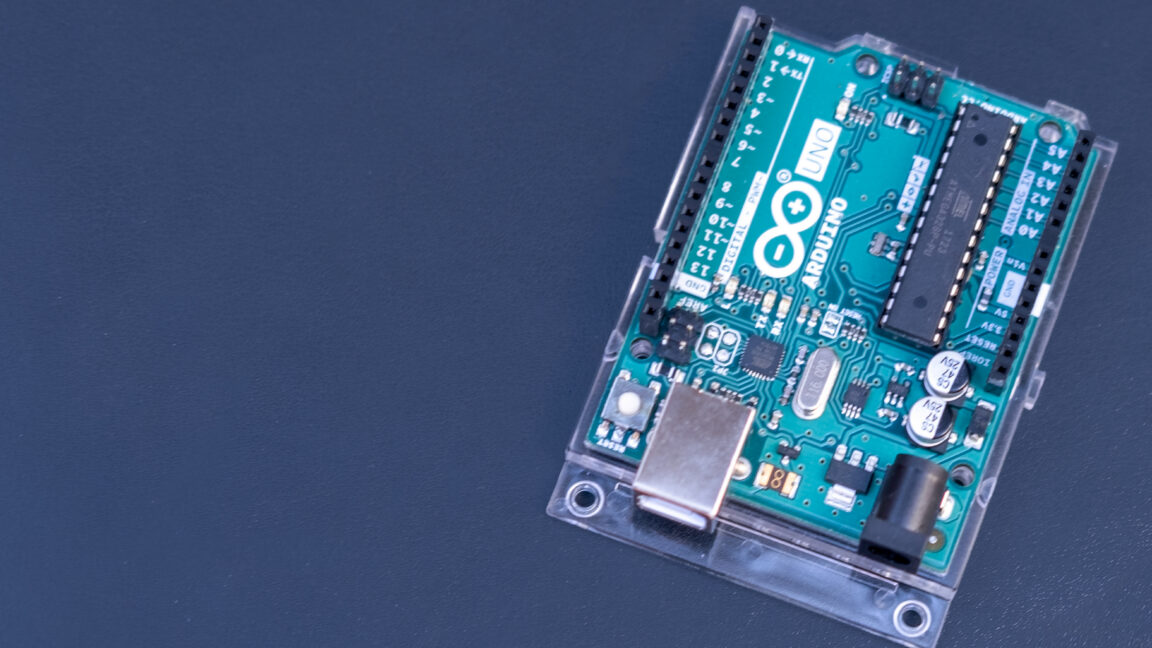 >
>
This clause essentially prohibits users from leveraging the platform to identify or provide evidence for potential patent infringement claims against Arduino, its affiliates, or their suppliers/customers. Put simply, users could be restricted from investigating patent issues related to Arduino’s technology. This kind of language is unusual for an open-source entity. Why the addition, and who pushed for it? That’s what many in the community are asking.
Adding fuel to the fire, the ToS also contain broad language regarding user-generated content. Arduino’s current stance grants them a “non-exclusive, royalty-free, transferable, sub-licensable, perpetual, irrevocable” right to utilize user content. This includes republishing and monetizing it, potentially funneling it into Qualcomm’s future initiatives, indefinitely. Critics argue that Arduino should clarify its intentions and narrow the term’s scope, detailing exactly why such expansive and irrevocable rights are necessary at a corporate level.
Arduino counters that the updated ToS merely clarifies user ownership of published content, enabling requested features like cloud services and collaboration tools. This explanation hasn’t entirely quelled the unease.>
Here’s where it gets complex. Qualcomm, a giant in the semiconductor industry, likely has different priorities than a small company built on open-source principles. While Arduino’s IDE and its source code will remain on GitHub under the AGPL-3.0 Open-Source License, the acquisition raises valid questions about the long-term trajectory of the Arduino ecosystem. The core issue isn’t just about code; it’s about control, influence, and potential shifts in focus.
I’ve seen this pattern play out before. A smaller, agile company gets absorbed by a larger one. Initially, promises of continued support and independence are made. Over time, however, priorities shift, resources are redirected, and the original vision can get diluted or even lost.
The language within these Terms of Service carries enormous significance. What appears on the surface as routine updates could actually foreshadow significant changes that profoundly affect the community. For instance, consider what could happen if Qualcomm’s proprietary technologies start to become intertwined with Arduino’s open-source platform. How would that influence the accessibility and affordability that have always been Arduino’s strengths?
The community’s concern is understandable. They fear that Qualcomm might, intentionally or unintentionally, steer Arduino away from its core values. This isn’t necessarily malicious, mind you. It’s simply the reality of a larger entity with its own strategic goals and corporate responsibilities.
One possible scenario involves Qualcomm leveraging Arduino’s platform and user base to promote its own products and services. While this could bring benefits like increased resources and faster development, it could also lead to a decline in the platform’s neutrality and openness.
It’s worth considering that Qualcomm might have legitimate reasons for these changes. Protecting intellectual property is crucial in the tech world, and the new ToS could be a necessary step to safeguard Arduino’s technology. Similarly, the broad rights over user-generated content might be intended to facilitate innovation and development of new features.
But the lack of transparency and clear communication from Arduino is exacerbating the situation. Without a detailed explanation of the rationale behind these changes, the community is left to speculate, and that speculation often leads to fear and mistrust.
To address these concerns, both Arduino and Qualcomm need to engage in a more open and transparent dialogue with the community. They should clearly articulate their long-term vision for the platform, explaining how they plan to uphold its open-source principles and protect user data. They should also be willing to listen to feedback and address concerns in a meaningful way.
This situation highlights a broader challenge within the tech industry: how to balance innovation and commercial interests with the values of open source and community collaboration. It’s a challenge that requires careful consideration, open communication, and a genuine commitment to preserving the spirit of innovation that makes these platforms so valuable.
Ultimately, the success of this acquisition will depend on Qualcomm’s ability to understand and respect the Arduino community’s values. Only time will tell if they can strike that balance. For now, the maker world is watching, waiting to see how this story unfolds. The stakes are high, not just for Arduino, but for the future of open-source hardware.


![[post_title]](https://samony.com.ng/wp-content/uploads/2025/12/2026-World-Cup-draw-300x140.png?lm=69334EB1 "2026 World Cup: Forget the Hype, What Does the Draw Really Mean?")



![[post_title]](https://samony.com.ng/wp-content/uploads/2025/12/1764969684_What-Netflixs-54bn-takeover-of-Warner-Bros-means-for-Hollywood-300x158.jpg?lm=69334CD7 "Streaming’s New Colossus: Integrating Legacy, Navigating Monopoly, and Preserving Creative DNA")

![[post_title]](https://samony.com.ng/wp-content/uploads/2025/12/An-diesem-beliebten-Mallorca-Strand-sind-neue-Benimmregeln-geplant-1024x538.jpg?lm=6933533D "Sóller’s Beach Ban: Paradise Lost or Sanity Restored? Mallorca’s Urgent Debate")
![[post_title]](https://samony.com.ng/wp-content/uploads/2025/12/Mother-drinks-annoiting-oil-rubs-it-on-her-forehead-as-1024x535.jpg?lm=693353AF "Viral TikTok: How Faith Endures in a Tech-Driven World")
![[post_title]](https://samony.com.ng/wp-content/uploads/2025/12/2026-World-Cup-draw-1024x477.png?lm=69334EB2 "2026 World Cup: Forget the Hype, What Does the Draw Really Mean?")
