
The “Miracle Quadruplets” Story: A Deeper Look at Fertility, Support, and the Shifting Landscape of Parenthood
An Alberta woman is preparing to welcome quadruplets – a headline that grabs attention. Darlene Hensch’s story, described as a “miracle,” highlights a fascinating intersection of fertility challenges, medical advancements, and the vital role of community support. It also prompts consideration of broader shifts in family planning.
Hensch’s initial struggles with unexplained infertility and low ovarian reserve resonate with many couples. She underwent fertility treatments for eight years before conceiving her first child. It underscores a reality: fertility is not a given. The path to parenthood can be emotionally and physically taxing. >
>
Then comes the twist. After thinking she’d have only one child, Hensch unexpectedly conceives quadruplets. She attributes this to a medication she tried previously. Now, this situation warrants closer investigation. While the medication is cited as a possible cause, it raises questions about the long-term effects of fertility treatments. Are we fully aware of the potential for “over-success” in these interventions? It’s a conversation that needs to evolve.
The article emphasizes the emotional impact. Hensch’s initial shock and overwhelm are understandable. Parenting one child is demanding; raising four simultaneously presents logistical and financial hurdles. Yet, the story also showcases resilience. Hensch connects with Tara Watson, another mother of quadruplets, finding invaluable support.
Here’s where the narrative gains depth. Watson’s advice to accept help – “grocery drop-offs, meal drop-offs, diaper drop-offs” – speaks volumes. Raising multiples is not a solo endeavor. It demands a village, a network of friends, family, and community resources. It makes you wonder if society adequately supports parents of multiples, particularly regarding childcare, healthcare, and financial aid.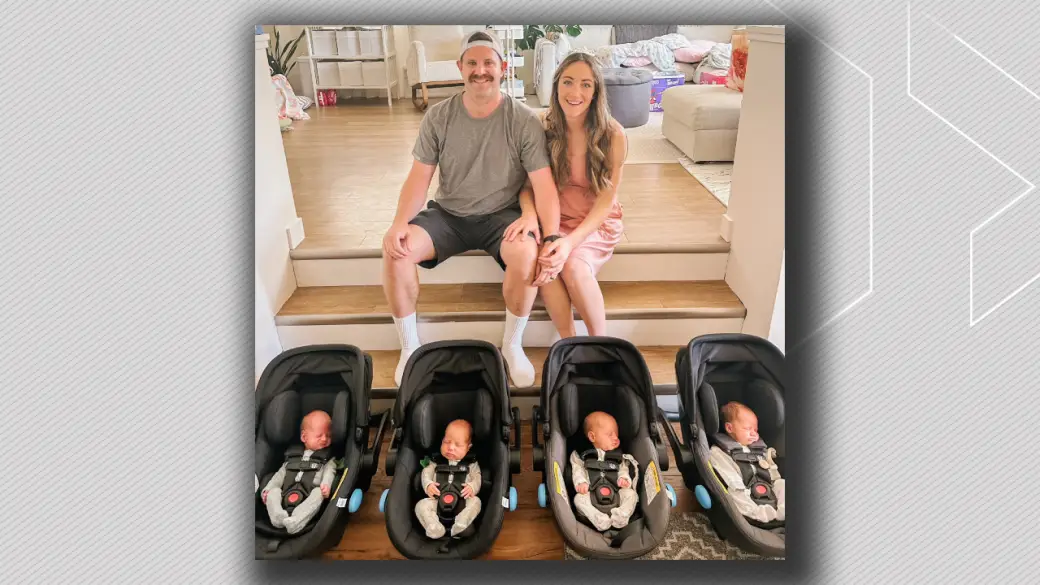 >
>
The Edmonton Twin and Triplet Club emerges as a crucial resource. These organizations often provide invaluable peer support. Sharing experiences, offering practical advice, and simply knowing you’re not alone makes a difference. They address the unique needs of families with multiples.
This “miracle quadruplets” narrative also reveals something about how we define miracles. In an era of sophisticated reproductive technology, a “natural” multiple pregnancy after infertility treatment feels almost paradoxical. It makes us think about the fine line between assisted reproduction and nature taking its course.
Furthermore, the story touches on the evolving concept of motherhood. Hensch acknowledges she will be “somebody else entirely” after this experience. This statement hints at the profound personal transformation that parenthood often brings, particularly when faced with extraordinary circumstances. It also subtly challenges the idealized image of the effortlessly perfect mother.
There’s a subtle undercurrent related to risk in this story. High-order multiple pregnancies carry significant risks for both mother and babies. Hensch will deliver via C-section at 32-34 weeks with a high-risk team on standby. This highlights the medical complexities and the need for specialized care. It’s a reminder that while multiple births can be celebrated, they also necessitate careful monitoring and management.
It’s worth considering the role of media in these narratives. Stories of “miracle babies” and exceptional families often capture public imagination. Yet, it’s essential to balance the feel-good aspect with a nuanced understanding of the challenges involved. Sensationalism can overshadow the practical realities and the potential strain on resources.
As someone who’s observed similar trends, I can’t help but notice how these stories often resurface. They tap into our collective fascination with extraordinary events. The enduring appeal of these narratives suggests a desire for hope and inspiration. Still, it’s also important to view them through a critical lens.
The Alberta quadruplets story is more than just a heartwarming tale. It’s a window into the complexities of modern fertility, the power of community, and the ever-evolving journey of parenthood. It invites us to examine our assumptions, question our definitions of “miracles,” and consider how we can better support families, especially those facing exceptional circumstances.
This situation underscores the need for greater public awareness and support for families with multiples. More resources, affordable childcare, and accessible healthcare would alleviate the burden on these parents. By addressing these systemic challenges, we can ensure that every “miracle” has the best possible start in life. That’s something worth striving for.



![[post_title]](https://samony.com.ng/wp-content/uploads/2025/12/1764867688_Gen-Z-admit-to-overthinking-in-winter-as-half-use-300x158.png?lm=6931BE6A "Gen Z’s Winter Overthinking: Tech Dependence vs. Grounding Solutions")
![[post_title]](https://samony.com.ng/wp-content/uploads/2025/12/Iran-Sends-Delegation-To-World-Cup-Draw-After-Threats-To.jpg?lm=6931BEBA "Navigating Geopolitics: Lessons from Iran’s World Cup Dance and the Ever-Present Data Game")
![[post_title]](https://samony.com.ng/wp-content/uploads/2025/12/1764867072_Lego-announces-NASA-Artemis-SLS-rocket-set-to-lift-off-300x169.jpg?lm=6931BC04 "LEGO’s Artemis: More Than a Toy, a Gateway to STEM Engagement?")