

![[post_title]](https://samony.com.ng/wp-content/uploads/2025/11/1764303484_Vladimir-Putin-plays-piano-and-wins-at-judo-in-2026-1024x683.jpeg?lm=69292280)
Analyzing the Vladimir Putin 2026 Calendar: More Than Just a Wall Decoration
Russia recently released its Vladimir Putin 2026 calendar, showcasing the leader engaged in various activities. We see him flipping someone in judo, trekking mountains, even tickling the ivories of a piano. It’s a carefully constructed image, and one can’t help but wonder what it signifies beyond a simple promotional tool.
The calendar, which features inspirational quotes from Putin alongside these carefully chosen images, feels like a deliberate attempt to solidify his image. Consider the August quote: “Sleep little, work a lot and don’t whine.” This speaks directly to a national work ethic, projecting an image of relentless dedication.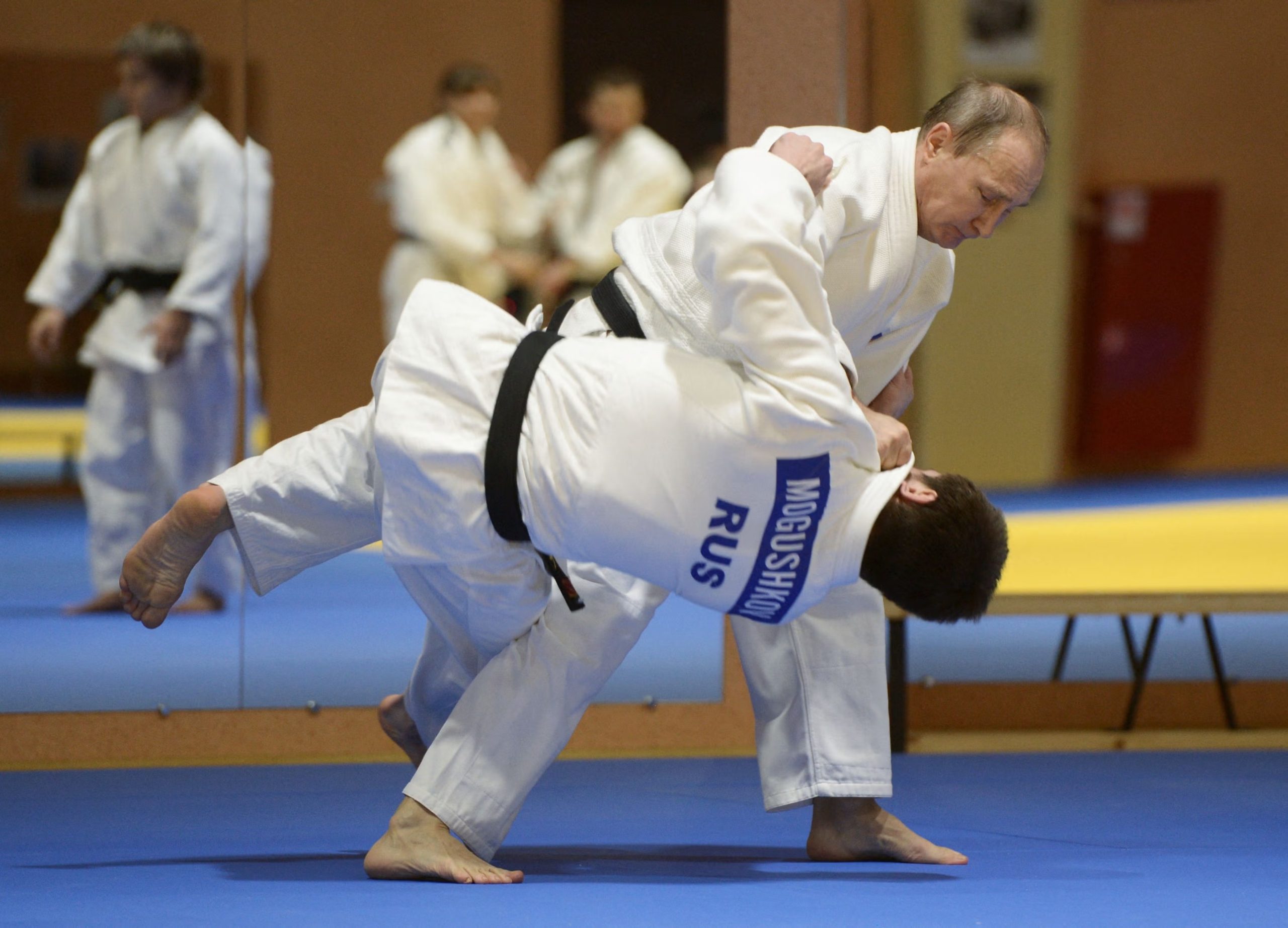 >
>
It’s worth noting the January quote: “Russia’s border never ends.” Given the current geopolitical climate and the ongoing conflict with Ukraine, this statement carries significant weight. While the calendar avoids direct references to the war, such lines undoubtedly resonate with a population experiencing its consequences.
The February image of Putin in judo, accompanied by the line “I am a dove, but I have very powerful iron wings,” presents a particularly intriguing message. It suggests a desire for peace coupled with an underlying strength, a veiled justification for military actions.
I’ve witnessed similar campaigns before, where carefully curated public images serve a specific purpose. It’s not just about personality; it’s about shaping a narrative and reinforcing power. The calendar’s distribution, hanging in government buildings, schools, and public spaces, amplifies this message, creating an environment where the leader’s image is ever-present.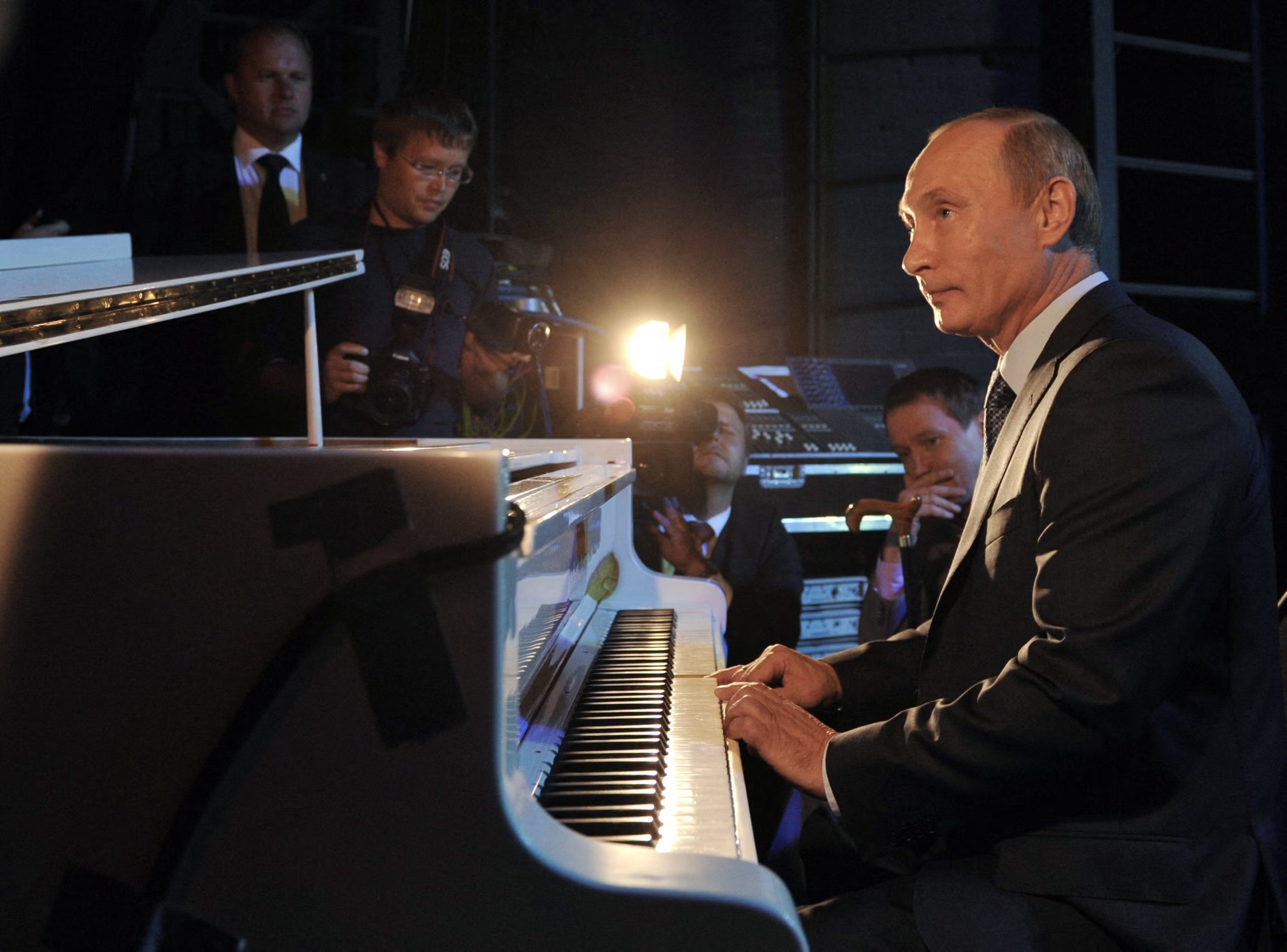 >
>
The New York Times quoted Maxim Trudolyubov’s observation: “It’s an empire with this ancient emperor who’s been around for decades, so it is supposed to be boring; it is supposed to signal stability, predictability, even if the reality is nothing of the kind.” This nails the core strategy. The calendar’s predictability, the familiar images, all contribute to a sense of unwavering authority.
Still, one has to question the effectiveness of such blatant displays of power. Does it genuinely resonate with the Russian populace, or is it simply a formality, a required gesture? From my vantage point, it seems more about projecting an image to the world, reinforcing a narrative of strength and control.
The price of $3.50 suggests a broad intended reach. They are clearly aiming for mass consumption, ensuring widespread exposure to Putin’s carefully constructed persona.
Given these facts, the calendar becomes a fascinating case study in political image-making. It’s not just about showing Putin playing piano; it’s about crafting a specific narrative of leadership, strength, and national identity. And that’s where the real significance lies. What kind of leader does Russia want? The Putin calendar offers clues.
It is easy to dismiss it as mere propaganda. Yet, consider the audience. The calendar aims to reinforce existing beliefs and solidify support within Russia. In that context, the chosen imagery and quotes become more than just empty words; they are carefully chosen tools in a long-term strategy.
This challenge isn’t unique to Russia. Political leaders across the globe understand the power of image management. But the blatant nature of this calendar, its unashamed glorification of a single individual, is what makes it so striking.
I’m skeptical of any political campaign that relies solely on idealized portrayals. Real leadership demands transparency, accountability, and a willingness to engage with criticism. The Putin calendar offers none of that. It presents a carefully sanitized version of reality, one that serves the interests of the leader above all else.
The calendar is a reminder that public image is a powerful tool, capable of shaping perceptions and influencing opinions. The key, though, is to discern the reality behind the image. And in this case, the reality is far more complex and nuanced than any calendar can convey. The calendar serves more as a snapshot of what the Kremlin wants its people to believe about the state of affairs.
I would add that understanding these image-crafting techniques is valuable for anyone seeking to navigate the complexities of the modern political landscape. The Putin calendar might seem like a distant phenomenon, but its lessons about power, propaganda, and public perception are universally relevant. You should always critically evaluate the messages you receive, regardless of the source.


![[post_title]](https://samony.com.ng/wp-content/uploads/2025/11/1764301635_Putin-refuses-to-budge-on-demand-for-Ukrainian-territory-ahead-300x200.jpeg?lm=69291B46 "Ukraine: Peace This Year? Don’t Bet On It Yet.")
![[post_title]](https://samony.com.ng/wp-content/uploads/2025/11/MedReddie-helps-hospitals-spend-less-time-shopping-It-just-raised-300x200.jpg?lm=69291670 "MedReddie helps hospitals spend less time shopping. It just raised over $2 million to go global")
![[post_title]](https://samony.com.ng/wp-content/uploads/2025/11/1764297947_Anger-as-callous-intruders-decapitate-family-favourite-stag-and-leave-300x158.jpg?lm=69290CDD "That Irish Stag Thing? It’s Part of Something Way Bigger and Darker.")
![[post_title]](https://samony.com.ng/wp-content/uploads/2025/11/1764299797_Harrowing-picture-shows-how-girl-2-fought-for-life-in-300x158.jpg?lm=69291418 "Handprints on a Hot Window: Could This Tragedy Have Been Stopped?")

![[post_title]](https://samony.com.ng/wp-content/uploads/2025/11/IGP-withdraws-11566-police-officers-attached-to-VIPs-1024x682.jpg?lm=6929235F "IGP withdraws 11,566 police officers attached to VIPs :")

![[post_title]](https://samony.com.ng/wp-content/uploads/2025/11/1764301635_Putin-refuses-to-budge-on-demand-for-Ukrainian-territory-ahead-1024x683.jpeg?lm=69291B46 "Ukraine: Peace This Year? Don’t Bet On It Yet.")
