

![[post_title]](https://samony.com.ng/wp-content/uploads/2025/11/1764267216_Vladimir-Putin-plays-piano-and-wins-at-judo-in-2026-1024x683.jpeg?lm=692894D6)
Decoding the Putin 2026 Calendar: Propaganda, Power, and the Illusion of Control
Russia has released its 2026 Vladimir Putin calendar, and it’s… exactly what one might expect. Flattering photos, “inspirational” quotes, and a hefty dose of carefully curated machismo. We see him playing judo, traversing mountains, even tickling the ivories. It’s a performance. But what does it tell us about the state of Russian power and the ongoing information war?
Calendars like these aren’t new. Strongman leaders have long employed personality cults to shore up support and project an image of invincibility. Still, the overt nature of this feels a bit… dated. It’s a tactic straight out of the Soviet playbook, and arguably, a less sophisticated approach than the subtle methods of influence deployed elsewhere.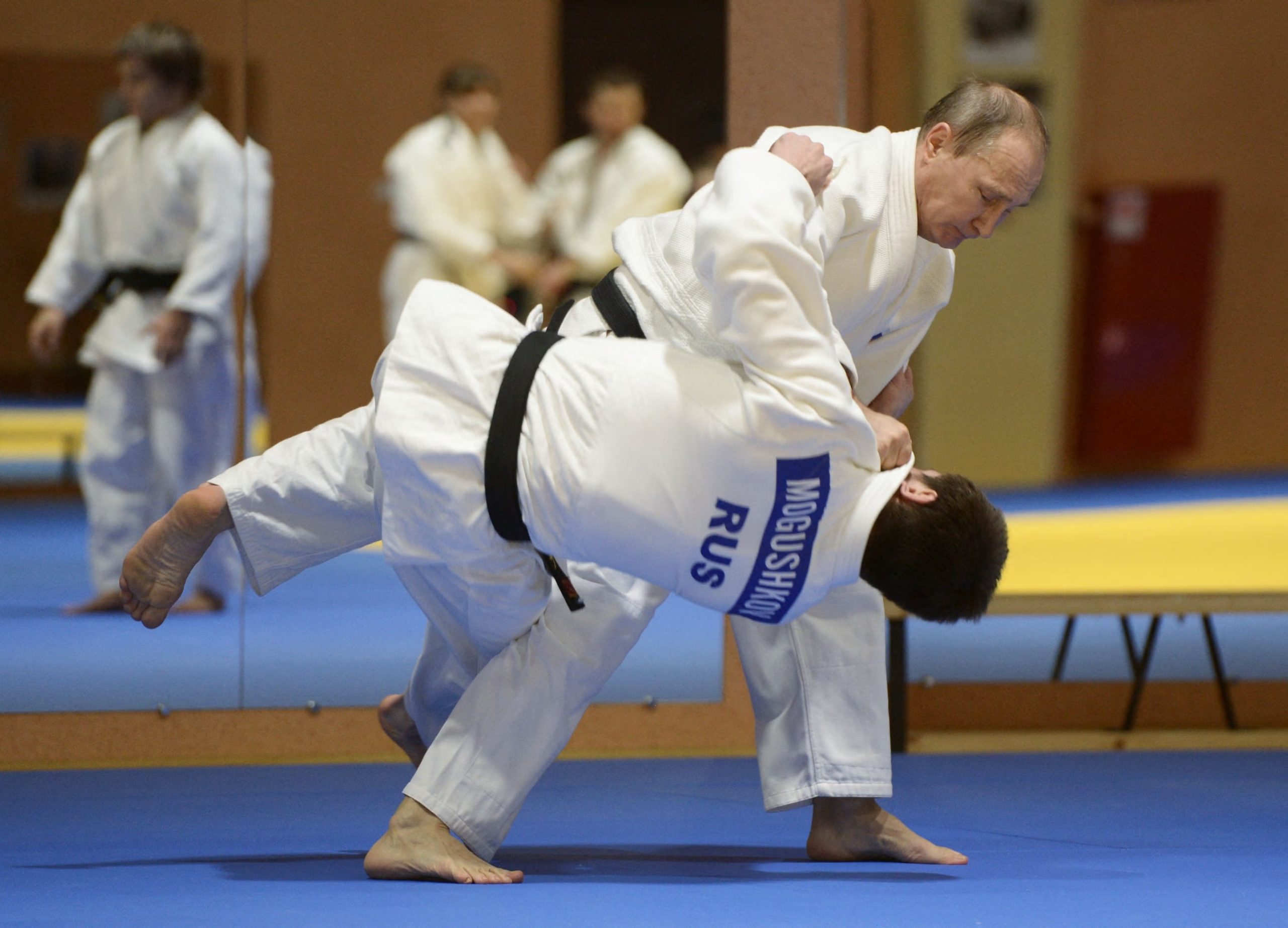 >
>
The quotes accompanying each month offer a window into the Kremlin’s current mindset. January declares “Russia’s border never ends” – a chilling statement, given the backdrop of the ongoing conflict in Ukraine. Then February delivers “I am a dove, but I have very powerful iron wings,” which is a rather interesting mix of messages. It seems that Russia wants to be seen as peaceful and strong.
It’s tempting to dismiss this calendar as pure propaganda, yet that would be an oversimplification. It serves a purpose, perhaps aimed at a specific domestic audience. This kind of imagery resonates with certain segments of the Russian population who crave stability and a strong national identity. I think that the Putin Calendar can be seen as the cultivation of the cult of personality.
These images and sayings reinforce the narrative of Putin as the strong, capable leader steering Russia through turbulent times. It’s a message of resilience, a reminder of national pride, and a subtle dismissal of Western critiques. The calendar omits all details related to the war in Ukraine.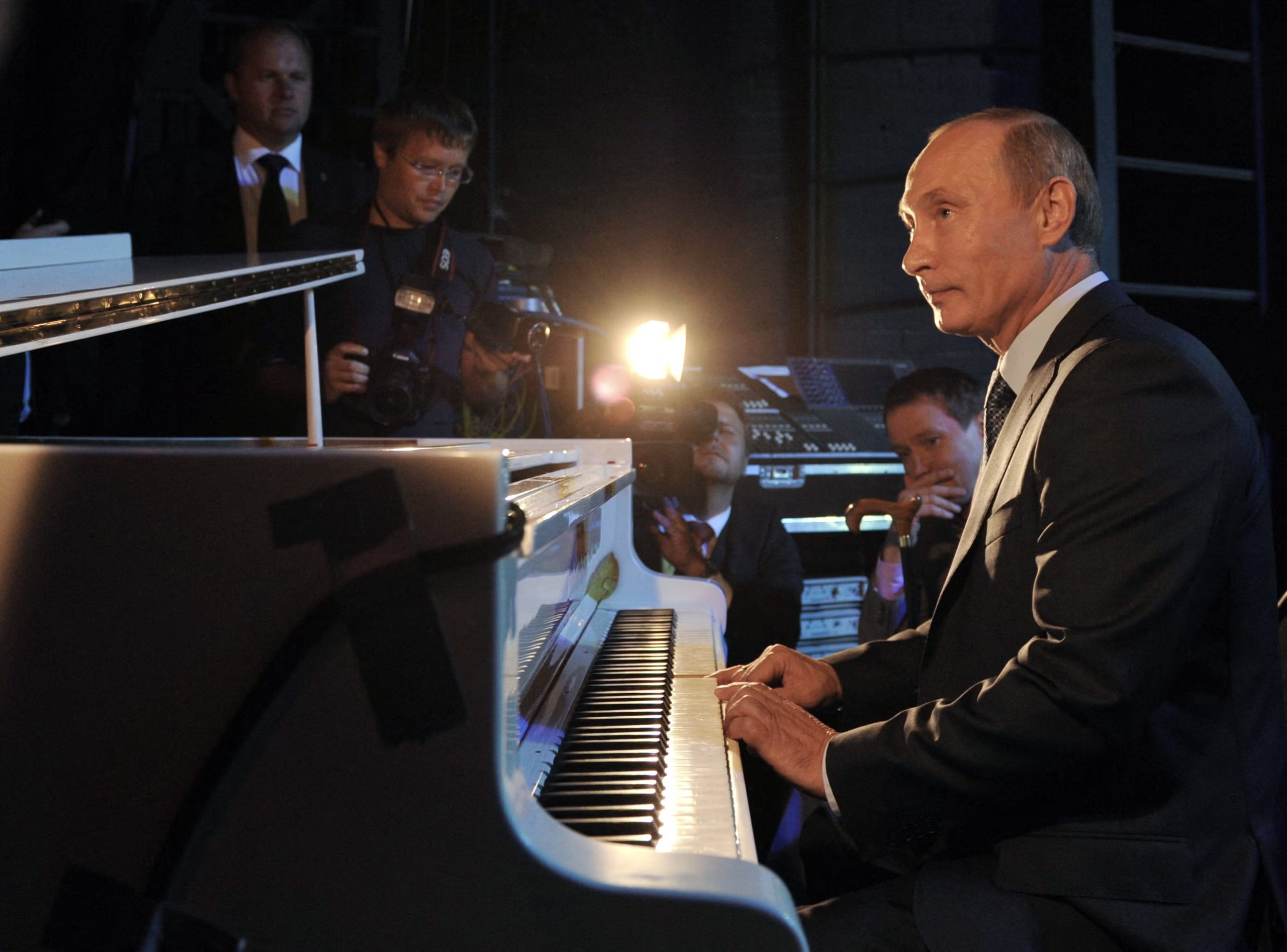 >
>
The War in Ukraine and the Propaganda Machine:
The absence of direct references to the war in Ukraine speaks volumes. It’s a glaring omission that reveals the Kremlin’s sensitivity to the issue. The calendar promotes the idea that “Russia has become much stronger in the last two or three years.”
There’s a deliberate effort to portray Russia as a nation on the rise, unaffected by the war. But reality tells a different story. The war has had devastating human and economic costs, regardless of what this calendar might suggest. The goal is to control the narrative, to paint a picture of unwavering strength and stability, regardless of the truth on the ground.
Beyond the Surface: What’s Really Going On?
It’s worth asking what this calendar truly signifies. Is it a sign of strength or insecurity? Does it reflect genuine popularity or a desperate attempt to manufacture it? A bit of both, most likely.
Here’s what my experience suggests:
Domestic consumption is key. These calendars aren’t designed to win hearts and minds in the West. They serve a vital function within Russia. It’s about continuity. The longevity of Putin’s rule depends on maintaining the illusion of stability and control. The calendar contributes to that image. Don’t underestimate the power of nostalgia. For some Russians, these images evoke a sense of pride in their nation’s past glory.
Is this calendar effective propaganda?
That’s the million-dollar question. In a globalized world, where information flows freely, it’s hard to imagine that such blatant propaganda can be entirely effective. Still, it’s a mistake to assume that it has no impact.
The calendar probably strengthens the support among current sympathizers, and I’m not convinced that it will turn any opposers in favor of Putin.
The calendar serves a purpose within the Russian information ecosystem. It reinforces existing narratives, projects an image of strength, and contributes to the overall effort to maintain control. Ultimately, the Putin 2026 calendar is more than just a collection of photos and quotes. It’s a carefully crafted piece of political messaging designed to shape perceptions and solidify power.
The world has changed and Russia’s approach to projecting power has adapted. Yet, the core objective remains the same: control the narrative, cultivate loyalty, and project an image of unwavering strength. The Putin calendar is just one piece of that complex puzzle.


![[post_title]](https://samony.com.ng/wp-content/uploads/2025/12/2026-World-Cup-draw-300x140.png?lm=69334EB1 "2026 World Cup: Forget the Hype, What Does the Draw Really Mean?")

![[post_title]](https://samony.com.ng/wp-content/uploads/2025/12/1764969684_What-Netflixs-54bn-takeover-of-Warner-Bros-means-for-Hollywood-300x158.jpg?lm=69334CD7 "Streaming’s New Colossus: Integrating Legacy, Navigating Monopoly, and Preserving Creative DNA")

![[post_title]](https://samony.com.ng/wp-content/uploads/2025/12/An-diesem-beliebten-Mallorca-Strand-sind-neue-Benimmregeln-geplant-1024x538.jpg?lm=6933533D "Sóller’s Beach Ban: Paradise Lost or Sanity Restored? Mallorca’s Urgent Debate")
![[post_title]](https://samony.com.ng/wp-content/uploads/2025/12/Mother-drinks-annoiting-oil-rubs-it-on-her-forehead-as-1024x535.jpg?lm=693353AF "Viral TikTok: How Faith Endures in a Tech-Driven World")
![[post_title]](https://samony.com.ng/wp-content/uploads/2025/12/2026-World-Cup-draw-1024x477.png?lm=69334EB2 "2026 World Cup: Forget the Hype, What Does the Draw Really Mean?")
