

![[post_title]](https://samony.com.ng/wp-content/uploads/2025/11/1764320511_Pope-Leo-XIV-mobbed-and-cheered-as-he-embarks-on-1024x683.jpeg?lm=69296505)
Pope Leo XIV’s Turkey & Lebanon Visit: Unity, History, and a Call for Justice
Pope Leo XIV is currently making waves with his visit to Turkey and Lebanon. The headlines focus on Christian unity and historical milestones, but a closer look reveals deeper layers. His trip commenced in Istanbul, greeted by enthusiastic crowds. The core purpose? To commemorate the 1700th anniversary of the Council of Nicaea, a pivotal event that shaped Christian doctrine.
The Nicene Creed, born from that council, still resonates across Catholic, Orthodox, and Protestant denominations. It represents a bedrock of shared belief, a point of convergence despite subsequent theological divides. Celebrating this shared foundation appears to be a crucial step in the ongoing journey toward Christian reconciliation. The commemoration takes place in Iznik, the ancient Nicaea, alongside Ecumenical Patriarch Bartholomew, the spiritual head of the Orthodox Christians. This joint appearance signifies the pursuit of unity.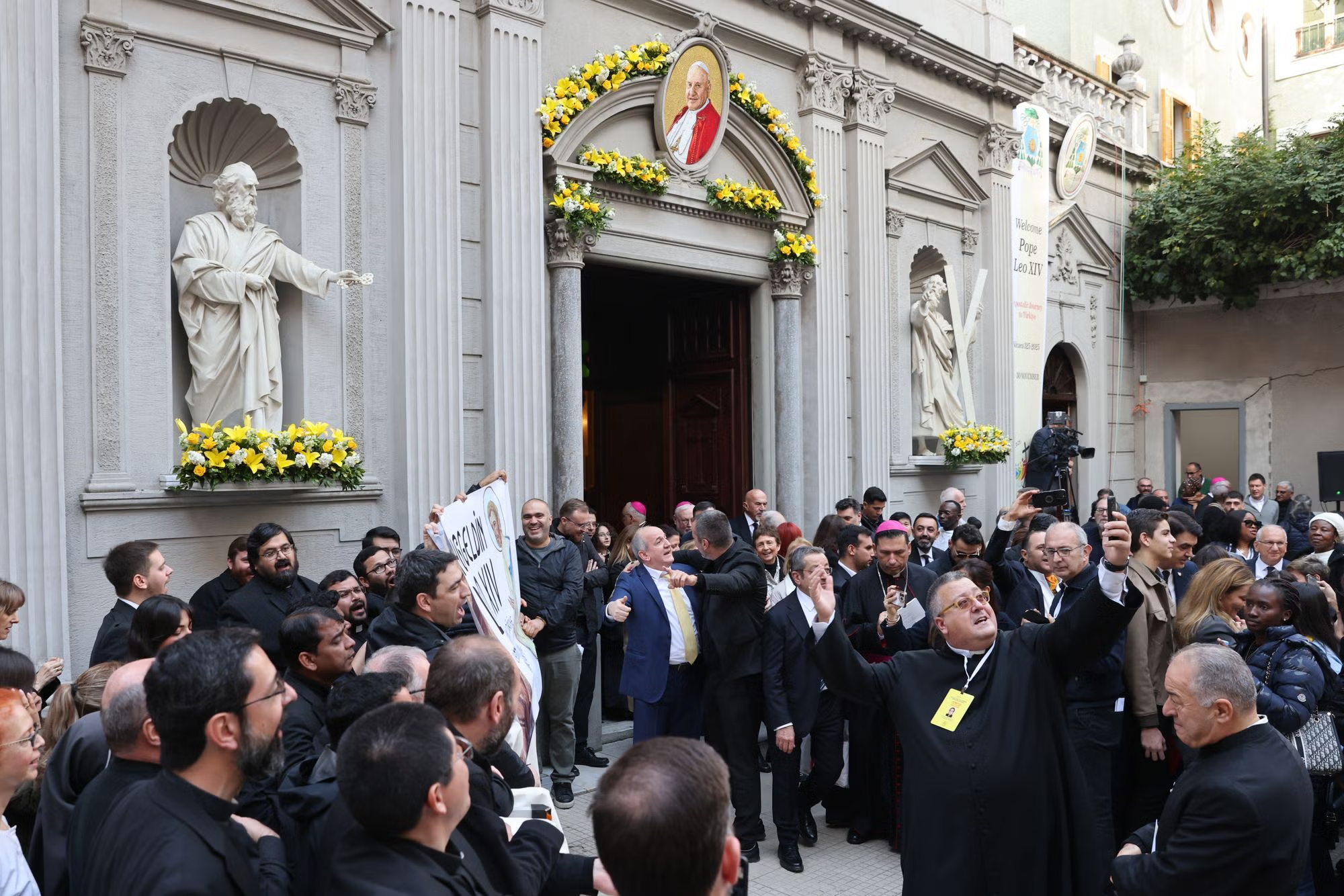 >
>
The Pope’s journey began with a meeting with Turkish President Recep Tayyip Erdogan, emphasizing a message of peace. A delicate balance, considering the geopolitical complexities of the region.
Yet, the journey extends beyond Turkey, venturing into Lebanon. There, the situation morphs. The aim shifts to bolstering a Christian community grappling with long-term struggles, and supporting all Lebanese seeking justice for the devastating 2020 Beirut port explosion. On December 2nd, Pope Leo will engage in silent prayer at the blast site. This act carries immense weight. The explosion, caused by negligent storage of ammonium nitrate, killed hundreds and amplified existing economic turmoil rooted in corruption.
I remember witnessing similar tragedies unfold in other contexts. The pain and the demand for accountability never truly fade. Lebanese citizens yearn for Pope Leo to press for accountability from their political leaders, insisting on truth and justice as prerequisites for lasting peace. Some wonder if the visit will ignite pressure for a transparent and just investigation, something the country desperately needs.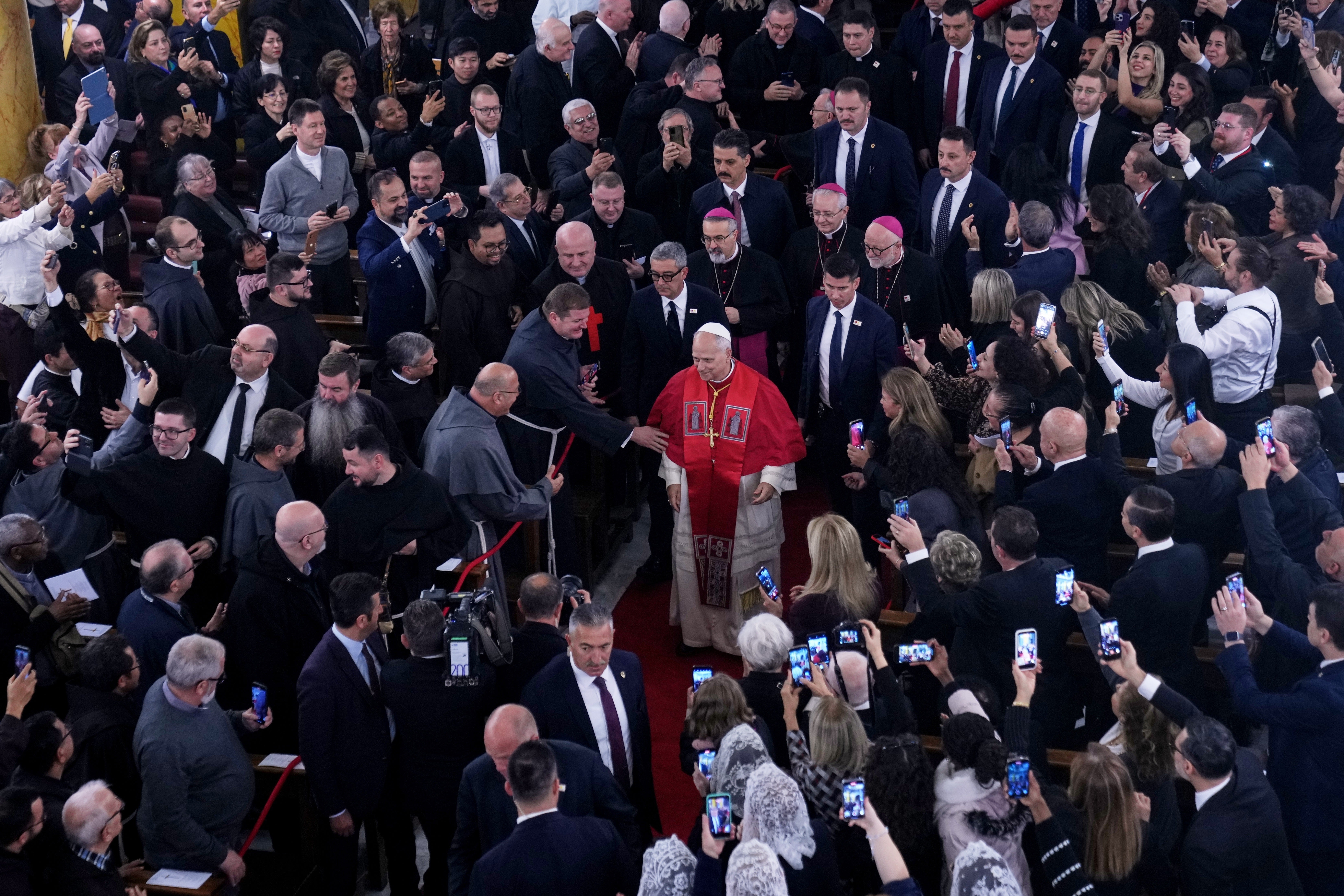 >
>
It’s worth noting the Pope won’t visit Southern Lebanon. This region was heavily impacted by last year’s conflict between Israel and Hezbollah, intensifying the impact of Israeli strikes in recent weeks. Christian groups in southern Lebanon actively campaigned for a papal visit, underscoring their feeling of abandonment. The Pope’s decision to omit it from his itinerary inevitably invites questions about the motivations and priorities guiding this trip.
Now, assessing this visit demands nuance. On the one hand, the focus on the Nicene Council highlights a genuine desire for Christian reconciliation. Seeing the Pope and the Ecumenical Patriarch together is a potent symbol. On the other hand, the situation in Lebanon reveals the Church’s role as a moral voice in the face of injustice and suffering.
Still, the Pope’s influence isn’t limitless. Political realities and historical grievances shape the landscape. Demanding accountability in Lebanon, while laudable, involves navigating entrenched power structures. Boosting Christian communities requires understanding their unique vulnerabilities and addressing their specific concerns, not simply offering symbolic gestures.
Given these facts, what can we realistically expect? The commemoration of the Nicene Council will undoubtedly be a powerful moment of ecumenical unity, a visual representation of shared faith. It reinforces the narrative of hope for greater understanding among Christians.
To that end, the Pope’s presence in Lebanon has the potential to amplify calls for justice and provide solace to a traumatized population. His prayer at the port blast site is a symbolic act of solidarity. Still, whether it translates into meaningful change remains to be seen.
This challenge hinges on Pope Leo’s ability to effectively communicate moral authority and inspire action beyond mere words. It depends on whether his visit can transcend religious symbolism and engage with the concrete realities of political and social injustice. Will this trip achieve tangible progress or amount to a well-intentioned, albeit ultimately symbolic, gesture? Time will provide the answer.
It’s worth noting, too, the absence of commentary on the political issues within Turkey itself. Maintaining diplomatic relations likely demands a certain level of circumspection. Yet, this also presents a challenge for a figure whose influence stems from a perception of moral independence.
In any case, Pope Leo XIV’s visit to Turkey and Lebanon is more than just a religious pilgrimage. It constitutes a complex diplomatic dance, balancing historical significance with present-day realities. The commemoration of Nicaea seeks to unify, while the visit to Lebanon seeks to heal. It remains to be seen how these intertwined goals will unfold. While the images of cheering crowds and ecumenical gatherings paint a hopeful picture, the true impact will be measured by the lives touched and the justice achieved long after the Pope’s departure. The world watches.

![[post_title]](https://samony.com.ng/wp-content/uploads/2025/12/What-is-SPF-and-how-is-sunscreens-sun-protection-factor-300x169.jpeg?lm=69332F30 "Australian Sunscreen Standards Under Fire: Are SPF Claims Reliable?")
![[post_title]](https://samony.com.ng/wp-content/uploads/2025/12/1764962269_Federal-judge-orders-Epstein-grand-jury-documents-unsealed-as-DOJ-300x200.jpeg?lm=69332FE2 "Epstein Documents Unsealed: Transparency or Obstruction?")
![[post_title]](https://samony.com.ng/wp-content/uploads/2025/12/1764962435_Star-says-Im-a-Celeb-stint-drove-him-back-to-300x158.jpg?lm=69333086 "Iain Lee’s Relapse After Reality TV: Time for Shows to Actually Care?")
![[post_title]](https://samony.com.ng/wp-content/uploads/2025/12/BREAKING-Full-draw-for-2026-World-Cup-group-stages-confirmed-300x169.jpg?lm=69333127 "2026 World Cup Draw: Initial Reactions and Open Questions")
![[post_title]](https://samony.com.ng/wp-content/uploads/2025/12/SteamOS-vs-Windows-on-dedicated-GPUs-Its-complicated-but-Windows-300x169.jpeg?lm=69332D18 "SteamOS vs. Windows Gaming: 2026 Performance Showdown")

![[post_title]](https://samony.com.ng/wp-content/uploads/2025/12/streaming-chaine-TV-et-compos-1024x536.jpg?lm=693336DA "Ligue 1’s Chessboard: Reading Between the Lines of Lille vs. Marseille")
![[post_title]](https://samony.com.ng/wp-content/uploads/2025/12/What-is-SPF-and-how-is-sunscreens-sun-protection-factor.jpeg?lm=69332F2E "Australian Sunscreen Standards Under Fire: Are SPF Claims Reliable?")
