

![[post_title]](https://res.cloudinary.com/dxgxupqqj/images/w_1024,h_683,c_scale/f_auto,q_auto/v1764157512/1764156930_How-Pirelli-is-preparing-its-MotoGP-2027-takeover-1024x683.jpg/1764156930_How-Pirelli-is-preparing-its-MotoGP-2027-takeover-1024x683.jpg.jpg?_i=AA)
Pirelli’s MotoGP 2027 Entry: A Critical Look
MotoGP is gearing up for a significant shift. By 2027, the sport will embrace new technical regulations, including smaller 850cc engines, streamlined aerodynamics, and a ban on ride-height devices. More crucially, Michelin will step aside, and Pirelli will take over as the exclusive tire supplier. This transition marks a pivotal moment, and the industry is watching Pirelli’s preparation with great interest.
Pirelli has already begun testing prototype tires at Misano last September. More tests are on the cards for 2026 as they work on the specific compounds required for MotoGP. Giorgio Barbier, Pirelli’s motorcycle racing director, recently shared insights into their progress.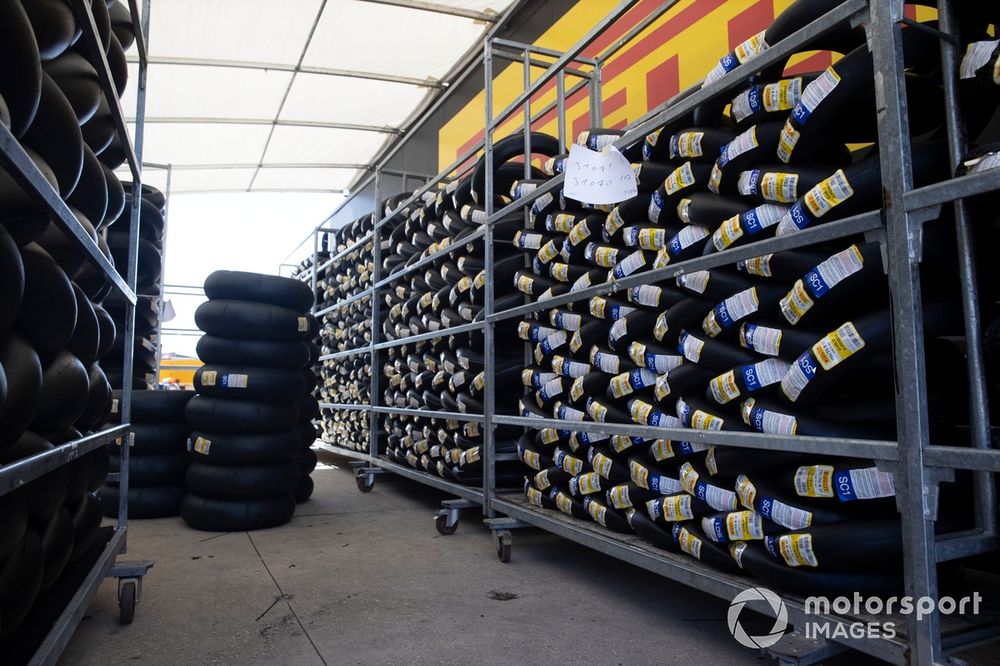 >
>
The Tire Development Process: An Inside View
“We’re in the early stages,” Barbier explained, “particularly because MotoGP uses larger rims than WorldSBK.” He emphasized the importance of providing consistent batches of tires to manufacturers for testing and bike development throughout the coming season. That makes sense.
The Misano test, held under ideal conditions, provided a solid foundation. The information gathered has apparently provided the benchmark for future development, particularly as teams transition to testing 850cc bikes. So now, the company needs to supply tires that align with their Misano benchmark for manufacturers to use in upcoming tests.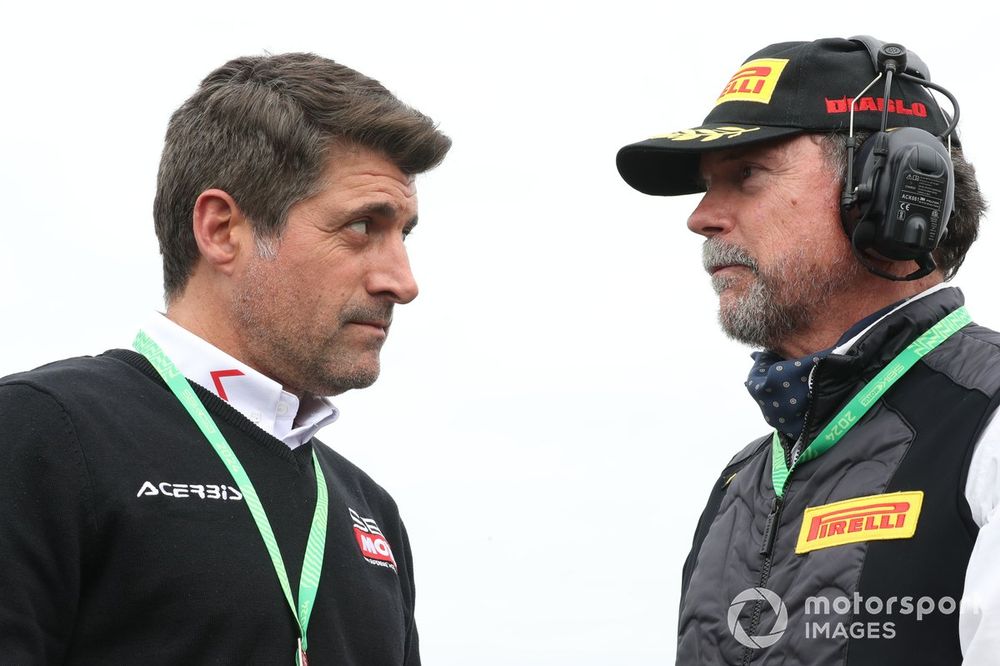 >
>
Pirelli’s Edge: Front Tire Feedback
According to Barbier, Pirelli’s front tire stands out. Riders who’ve transitioned from MotoGP to WorldSBK often commend its communicative nature. This quality instills confidence, which is essential, given the front end’s critical role in motorcycle handling. But translating that success to the unique demands of MotoGP won’t be automatic.
Pirelli aims to retain its DNA across all its tires, irrespective of size or application. They insist their manufacturing processes must remain uniform. In that way, the company hopes its spirit remains unchanged, resonating with customers. This principle aims to ensure consistency and brand identity. It sounds reassuring, but the devil’s always in the details.
Engaging with Teams and Riders: A Respectful Approach
Pirelli is consciously avoiding direct engagement with MotoGP riders, respecting Dorna’s existing contract with Michelin. This hands-off approach minimizes interference, but they’re working closely with technicians and manufacturers’ engineers. This tactic allows them to tap into the existing knowledge base within the paddock.
Still, previous experience with Pirelli rubber could give some riders an advantage. Barbier acknowledges that riders familiar with Pirelli from Moto2 or WorldSBK might adapt more quickly. He cites examples of riders who seamlessly transitioned to Superbikes, immediately grasping the tires’ characteristics. Those with more testing opportunities in 2026 may also enjoy a slight edge heading into 2027.
Performance Metrics: Balancing Speed and Safety
The emphasis on lap records in MotoGP is hard to ignore. Pirelli acknowledges the value of performance metrics. Yet, they also recognize the need to ensure that all riders and manufacturers can work effectively together. Safety and collaboration will be paramount. This strategy mirrors their approach in Superbikes, where continuous improvement is a crucial performance indicator.
So, what’s more crucial – safety or breaking records? The initial focus, he states, will be on establishing a strong working relationship with manufacturers and riders. Understanding needs and setting limits for spectacle are key. It’s a diplomatic answer. It hints at a desire to shape the sport’s direction in collaboration with Dorna.
Pirelli isn’t seeking performance concessions that undermine safety. They want continuous improvement, specialization, and high performance. The company’s Moto2 and Moto3 achievements demonstrate its commitment to safety and performance. Ensuring consistent quality will be important, though. The company knows that high-volume production should ensure uniformity.
Leveraging F1 Synergies and Operational Structure
Pirelli’s MotoGP operations will be based at its Milan headquarters, sharing space with the Formula 1 division. While F1 tires are manufactured separately, the company will retain its radial motorcycle tire production in Germany. The collaboration goes deeper than simply sharing office space.
The company is actively developing working methods based on their Formula 1 experience. Manufacturers can request data and insights, fostering continuous exchange and synergy between the two divisions. They see advantages in its relationship with manufacturers, too. This strategy shows that Pirelli is trying to share knowledge and resources.
Final Thoughts: Managing Expectations
Pirelli’s entry into MotoGP in 2027 brings fresh competition. It also brings challenges. Can Pirelli deliver tires that meet the extreme demands of MotoGP? It’s a question worth asking. Their success in WorldSBK and Moto2 provides a solid foundation. Yet, MotoGP operates at another level.
The key lies in their ability to collaborate with teams and riders. Understanding their needs, and delivering consistent, high-performance tires will be crucial. The emphasis on safety is reassuring, but the pressure to chase lap records remains ever-present. It’s a balancing act that Pirelli must master. If they succeed, we’ll see a new era of competition in MotoGP. If they fail, it could reshape the series.


![[post_title]](https://res.cloudinary.com/dxgxupqqj/images/w_300,h_180,c_scale/f_auto,q_auto/v1764156328/Rivers-Police-debunk-news-of-herdsmen-attack-says-viral-video/Rivers-Police-debunk-news-of-herdsmen-attack-says-viral-video.jpg?_i=AA "Security Narratives: Lessons from Rivers State’s Misinformation Battle")
![[post_title]](https://samony.com.ng/wp-content/uploads/2025/11/1764155997_Moment-Adam-Peatys-relationship-with-mum-turned-sour-caught-on-300x158.jpg?lm=6926E25F "Peaty Family Feud: Fame, Reality TV, and Wedding Drama")
![[post_title]](https://res.cloudinary.com/dxgxupqqj/images/w_300,h_200,c_scale/f_auto,q_auto/v1764155740/1764155487_Planning-To-Give-Your-Friends-Or-Family-Gifts-This-Family_1497855a4da/1764155487_Planning-To-Give-Your-Friends-Or-Family-Gifts-This-Family_1497855a4da.jpg?_i=AA "Gift Tax Got You Confused? Here’s What You Actually Need to Know")

![[post_title]](https://samony.com.ng/wp-content/uploads/2025/11/1764156921_Beans-The-vegetable-that-can-lower-cholesterol-and-boost-heart-1024x683.jpeg?lm=6926E5FC "Are Beans Really That Good For You? Let’s Get Real.")


