

![[post_title]](https://samony.com.ng/wp-content/uploads/2025/12/1764670325_New-warnings-issued-as-drugs-like-Ozempic-linked-to-mood-1024x683.jpeg?lm=692EBB77)
Ozempic, Mounjaro, and Beyond: Weighing the Hype Against Emerging Risks
GLP-1 agonists like Ozempic and Mounjaro burst onto the scene, swiftly moving from diabetes treatments to sought-after weight loss solutions. Their popularity is undeniable, fueled by social media and celebrity endorsements. Yet, beyond the tales of shedding pounds, whispers of concerning side effects are starting to surface. Are these drugs a game-changer, or are we overlooking potential dangers?
These medications, initially crafted to manage type 2 diabetes, function by modulating blood sugar and suppressing appetite. Several options are currently available, including Mounjaro (tirzepatide), Ozempic (semaglutide), Wegovy (semaglutide), Saxenda (liraglutide), and Trulicity (dulaglutide). These drugs influence hormones like glucagon-like peptide-1(GLP-1), which impact insulin release and satiety.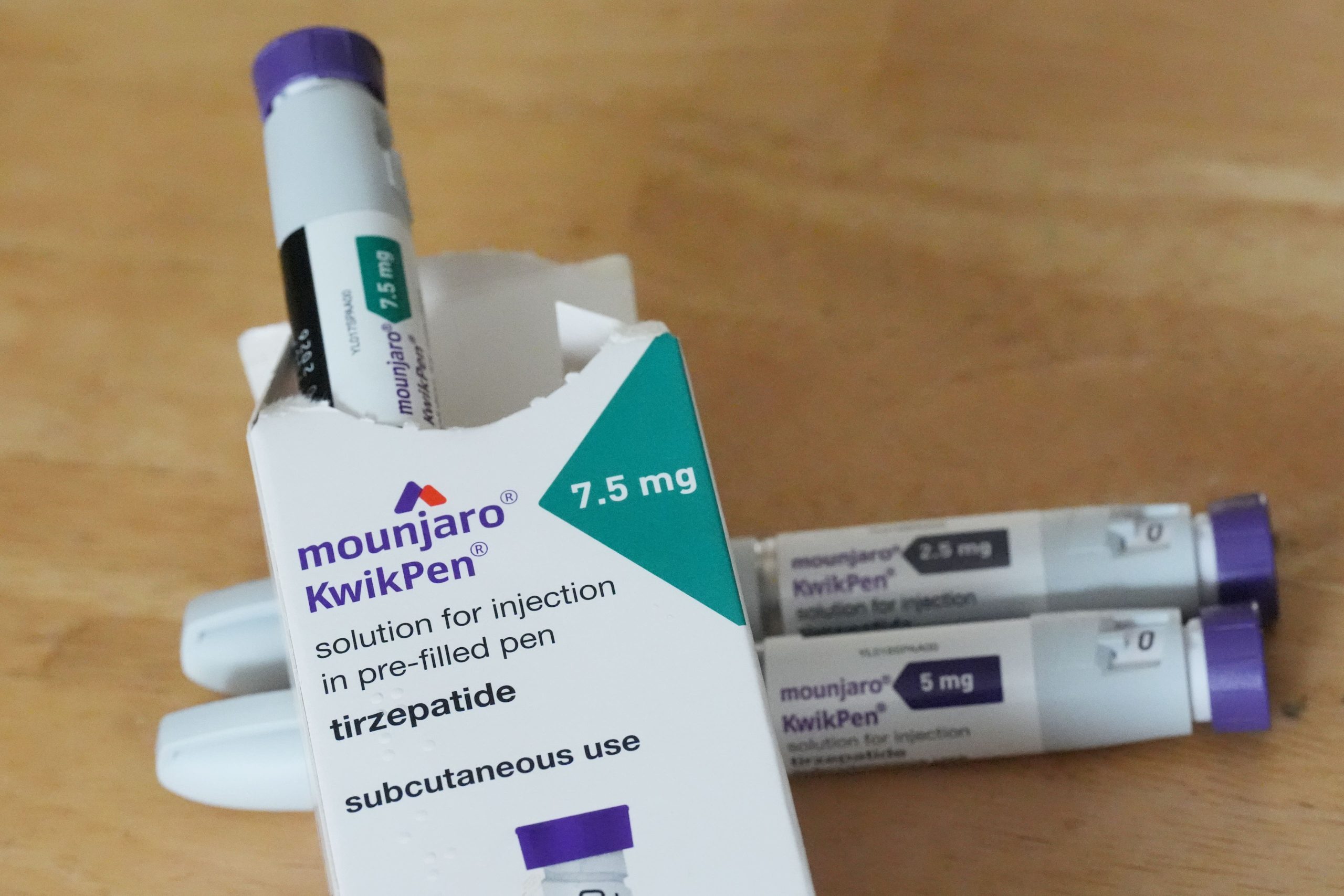 >
>
Common side effects such as nausea, vomiting, and digestive discomfort generally subside with continued use. However, recent reports of more severe reactions, specifically regarding mental health and unintended pregnancies, demand attention. The Therapeutic Goods Administration (TGA) in Australia recently issued warnings about a potential connection to suicidal ideation and reduced effectiveness of oral contraceptives.
Suicidal Thoughts: A Cause for Concern?
Reports submitted to the Australian Database of Adverse Events Notifications suggest a possible correlation between GLP-1 agonists and suicidal thoughts. A scientific study echoed these observations, suggesting a notable increase in the risk of suicidal behavior with these medications. Likewise, scrutiny of World Health Organization data has signaled a connection between semaglutide and thoughts of suicide.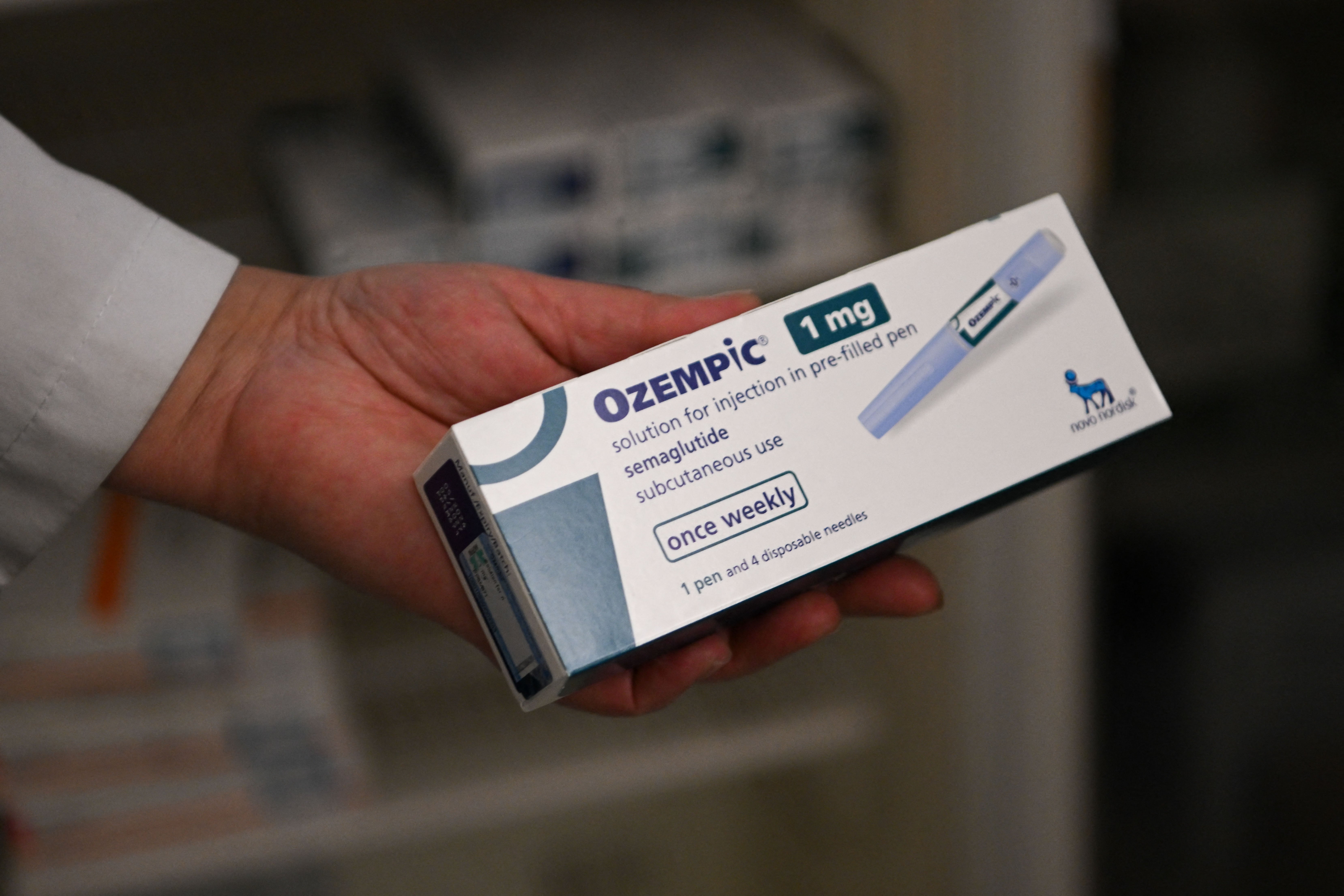 >
>
Still, the narrative isn’t entirely one-sided. Another study analyzing data from over a million patients on GLP-1 agonists found lower instances of suicidal thoughts compared to those not using the drugs. This conflicting information underscores the complexity of the issue, leaving us with more questions than answers.
Contraception Quandaries: A Hormone Absorption Issue?
Oral contraceptives rely on hormones to prevent ovulation and thicken cervical mucus. The proper absorption of these hormones is essential for their efficacy. GLP-1 agonists might interfere with this absorption, potentially lowering hormone levels and increasing the risk of unintended pregnancy. It’s a crucial detail often missed in the weight loss buzz.
Some research indicates that tirzepatide (Mounjaro) could impact hormone absorption more substantially than other GLP-1 drugs. While one study suggested semaglutide didn’t affect hormone absorption from common oral contraceptive pills, newer studies point to possible interactions with both tirzepatide and oral semaglutide.
That said, IUDs and implanted contraceptives that don’t rely on stomach absorption of hormones should remain unaffected.
What Should You Do If You’re Taking These Drugs?
If you’re using a GLP-1 agonist, it’s prudent to stay vigilant about any changes in your mental state. If you experience new or worsening depression, suicidal thoughts, or unusual mood swings, contact your doctor immediately.
For women using tirzepatide and oral contraceptives, consulting your doctor about alternative contraception methods, like implants, becomes increasingly significant. A barrier method for contraception during the initial weeks and after dosage adjustments is also worth considering. Remember that GLP-1 drugs should not be used during pregnancy.
Looking Ahead: A Need for Nuance and Vigilance
The excitement surrounding GLP-1 agonists for weight loss is understandable. Yet, these medications, like all medical interventions, come with potential risks. The emerging evidence on suicidal thoughts and contraceptive interference requires a balanced approach. It demands further investigation and open communication between patients and healthcare providers.
Here’s my take, having observed similar patterns in the past: When a drug becomes a sensation this quickly, critical scrutiny can sometimes lag behind. We need more comprehensive, long-term studies to fully understand the spectrum of potential effects. It’s not about fear-mongering but ensuring informed decision-making.
Ultimately, the choice to use a GLP-1 agonist is a personal one. However, it should be made with a clear understanding of both the potential benefits and the possible downsides. Staying informed, communicating openly with your doctor, and prioritizing your overall well-being are paramount. These drugs hold promise, but let’s proceed with caution and a healthy dose of skepticism.

![[post_title]](https://samony.com.ng/wp-content/uploads/2025/12/1764670325_New-warnings-issued-as-drugs-like-Ozempic-linked-to-mood-300x200.jpeg?lm=692EBB76 "Ozempic, Mounjaro Risks Emerge: Mental Health, Contraception Concerns")
![[post_title]](https://samony.com.ng/wp-content/uploads/2025/12/1764669414_FGN-Savings-Bond-DMO-open-subscriptions-for-December-offer-300x181.png?lm=692EB7E9 "Nigeria’s FGN Savings Bond: Understanding the Latest Rates and Risks")
![[post_title]](https://samony.com.ng/wp-content/uploads/2025/12/Marital-Crisis-2Baba-needs-to-recognise-that-this-woman-is-300x162.jpg?lm=692EB8E5 "2Baba’s Career Threatened: Management Alleges Personal Life Sabotaging Global Ambitions")
![[post_title]](https://samony.com.ng/wp-content/uploads/2025/12/I-Dont-Rack-My-Head-About-The-Next-Thing-God-300x224.jpeg?lm=692EB4FE "Bishop Abioye: Ditch the Worry, This One Thing Might Actually Unlock Your Breakthroughs")
![[post_title]](https://samony.com.ng/wp-content/uploads/2025/12/1764668751_Gary-Lineker-signs-mega-money-deal-to-compete-against-BBC-300x158.jpg?lm=692EB552 "Lineker to Netflix: Inside the Shifting Sands of Sports Media Power")
![[post_title]](https://samony.com.ng/wp-content/uploads/2025/12/1764668360_How-MAGA-senators-new-bill-could-directly-impact-Melania-and-300x200.jpg?lm=692EB3CB "Moreno’s “Exclusive Citizenship Act” Sparks Debate Over Dual Allegiance in America")

![[post_title]](https://samony.com.ng/wp-content/uploads/2025/12/1764670086_Lead-recycling-companies-to-remain-sealed-until-conclusion-of-audit-1024x768.jpeg?lm=692EBA87 "Ogijo Lead Crisis: Audits Are Not Enough Without Accountability.")
![[post_title]](https://samony.com.ng/wp-content/uploads/2025/12/IHS-Nigeria-pushes-stronger-GBV-response-in-workplace.webp.webp?lm=692EBB0D "IHS Tackles Workplace Abuse: A Bold Stand, But Will It Change Anything?")
![[post_title]](https://samony.com.ng/wp-content/uploads/2025/12/1764669414_FGN-Savings-Bond-DMO-open-subscriptions-for-December-offer-1024x619.png?lm=692EB7EA "Nigeria’s FGN Savings Bond: Understanding the Latest Rates and Risks")
