

![[post_title]](https://samony.com.ng/wp-content/uploads/2025/12/Gov-Otti-Assures-Nnamdi-Kanu-Of-Release-During-Visit.jpg?lm=692D2341)
Otti’s Visit to Nnamdi Kanu: A Glimmer of Hope or Political Maneuvering?
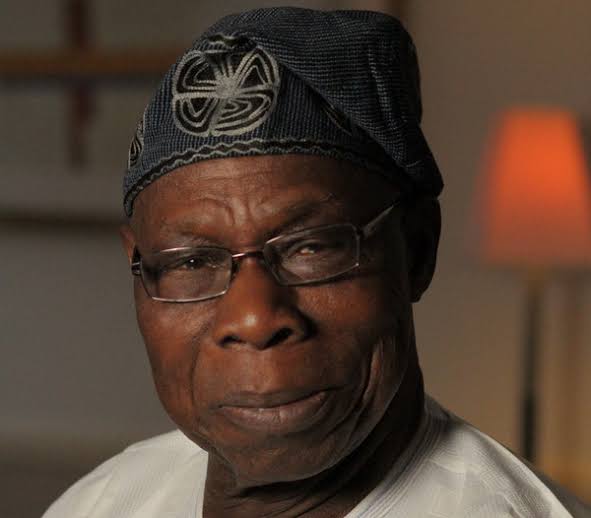
Abia State Governor Alex Otti’s recent visit to Nnamdi Kanu, the leader of the Indigenous People of Biafra (IPOB), at the Sokoto Correctional Centre, definitely raises eyebrows. These events deserve a closer look, considering the complexities surrounding Kanu’s detention and the ongoing tensions in the Southeast.
Otti conveyed assurances of intensified efforts for Kanu’s release, urging him to remain strong and calm. This echoes similar promises from the past, yet the situation persists. One wonders if these are genuine attempts at resolution or simply political posturing, designed to placate a significant segment of the Abia electorate.
The narrative includes a seemingly jovial note about the Sultan of Sokoto’s “interest” in Kanu’s well-being. The Sultan’s supposed lighthearted remark about Kanu becoming “his subject” elicits a laugh from Kanu, according to reports. It is uncertain the impact of this seemingly inconsequential interaction.
Kanu, in turn, expressed gratitude and lauded Otti’s performance as governor, drawing comparisons to the revered Sam Mbakwe. This mutual admiration is interesting. Could it signal a strategic alliance, or is it merely diplomatic pleasantries exchanged during a high-profile visit? Kanu’s encouragement for Otti to continue serving the people hints at a broader vision, perhaps one where IPOB’s objectives align with good governance within a restructured Nigeria.
It’s worth pondering the timing of this visit. Otti, relatively new in office, might be seeking to solidify his support base. Securing Kanu’s release would undoubtedly be a major achievement, boosting his popularity and potentially de-escalating regional tensions.
Still, releasing Kanu is no easy feat. The federal government holds the cards, and their stance remains unclear. Past attempts at negotiation have stalled, bogged down by legal complexities and political considerations. What makes this new approach any different?
This challenge requires more than just administrative solutions. It demands a delicate balancing act, navigating the complexities of regional aspirations, national unity, and the rule of law. The presence of Abia’s Attorney General and other top officials suggests a serious legal strategy is in play. Yet, the ultimate decision rests with the federal authorities.
Given these facts, Otti’s visit could be interpreted in several ways. It might represent a genuine commitment to securing Kanu’s release through dialogue and negotiation. Alternatively, it could be a carefully calculated move to gain political capital, regardless of the actual outcome. Perhaps, it’s a bit of both.
Having observed similar patterns in Nigerian politics, I remain cautiously optimistic. Promises of this nature often fall short of expectations. The road to Kanu’s freedom is paved with legal hurdles and political obstacles. Otti’s efforts, though commendable, might face significant resistance from entrenched interests within the federal government.
That said, dismissing the visit as mere theatrics would be premature. The involvement of the Sultan of Sokoto adds an intriguing dimension. His influence could potentially sway opinions and facilitate a more amicable resolution. The Sultan’s role suggests a broader effort to address the underlying grievances fueling separatist sentiments in the Southeast.
To that end, Otti’s initiative deserves close monitoring. His actions could set a precedent for future engagements between state governments and separatist leaders. Successfully negotiating Kanu’s release would not only ease tensions in the Southeast but also demonstrate the power of dialogue and diplomacy in resolving complex political issues.
Yet, let’s not get ahead of ourselves. The Nigerian political landscape is notoriously unpredictable. While Otti’s visit offers a glimmer of hope, it’s crucial to remain grounded in reality. The outcome remains uncertain, and the path ahead is fraught with challenges. Whether this marks a turning point in Kanu’s saga or simply another chapter in a long and complicated story remains to be seen.
In any case, one thing is clear: the issue of Nnamdi Kanu and IPOB continues to be a significant factor in Nigerian politics, demanding careful and nuanced attention. The stakes are high, and the consequences of failure could be dire.
Keywords: Otti visit Kanu, Nnamdi Kanu release, Alex Otti, IPOB leader, Nigerian politics, Southeast tensions, Sultan of Sokoto, Abia governor

![[post_title]](https://samony.com.ng/wp-content/uploads/2025/12/Gov-Otti-Assures-Nnamdi-Kanu-Of-Release-During-Visit-240x300.jpg?lm=692D2342 "Otti Visits Kanu: Hope for Release or Abia Politics?")
![[post_title]](https://samony.com.ng/wp-content/uploads/2025/12/1764566490_When-do-Black-Friday-sales-end-in-Australia-The-day-300x169.jpg?lm=692D25DB "When do Black Friday sales end in Australia? The day itself might have been and gone, but the deals are far from finished – here’s when the 2025 discounting wraps up")
![[post_title]](https://samony.com.ng/wp-content/uploads/2025/12/1764563342_Trump-insists-MRI-results-were-perfect-but-has-no-300x158.jpg?lm=692D1991 "Decoding Political Health: From MRI Scans to Leadership Authenticity")
![[post_title]](https://samony.com.ng/wp-content/uploads/2025/12/1764564856_Glam-boxer-Ebonie-Cotton-suffers-awkward-wardrobe-malfunction-rival-cant-300x158.jpg?lm=692D1F7B "Boxing’s New Equation: Talent Plus Narrative Equals Relevance")

![[post_title]](https://samony.com.ng/wp-content/uploads/2025/12/Ukraine-Russia-war-live-Zelensky-hails-Trumps-efforts-to-end-war-300x200.avif?lm=692D2103 "Ukraine-Russia war live: Zelensky hails Trump’s efforts to end war and ‘preliminary results’ in Florida peace talks")

![[post_title]](https://samony.com.ng/wp-content/uploads/2025/12/1764566490_When-do-Black-Friday-sales-end-in-Australia-The-day-1024x576.jpg?lm=692D25DB "When do Black Friday sales end in Australia? The day itself might have been and gone, but the deals are far from finished – here’s when the 2025 discounting wraps up")
