

![[post_title]](https://samony.com.ng/wp-content/uploads/2025/12/1766021325_OpenAIs-new-ChatGPT-image-generator-makes-faking-photos-easy-1024x576.jpg?lm=694358CE)
OpenAI has unveiled GPT Image 1.5, a new artificial intelligence model designed to significantly simplify the creation and manipulation of photorealistic images. This advanced tool, now accessible to all ChatGPT users, marks a pivotal moment in digital imagery, enabling complex alterations with simple text commands. Its introduction fundamentally changes the landscape of photo editing, moving it from a specialized skill to an everyday capability.
For nearly two centuries, the art of photo manipulation demanded considerable expertise, whether through darkroom techniques, advanced digital software like Photoshop, or meticulous manual methods. The release of GPT Image 1.5 drastically lowers this barrier, allowing users to generate or modify images simply by typing descriptive sentences. This development underscores a rapid acceleration in AI’s capacity to reshape visual media production.
GPT Image 1.5 distinguishes itself through enhanced performance and efficiency compared to its predecessors. Reports indicate the model generates images up to four times faster and offers a roughly 20 percent cost reduction via its API. These improvements are crucial for its widespread adoption and integration into various applications, further democratizing access to sophisticated image generation capabilities.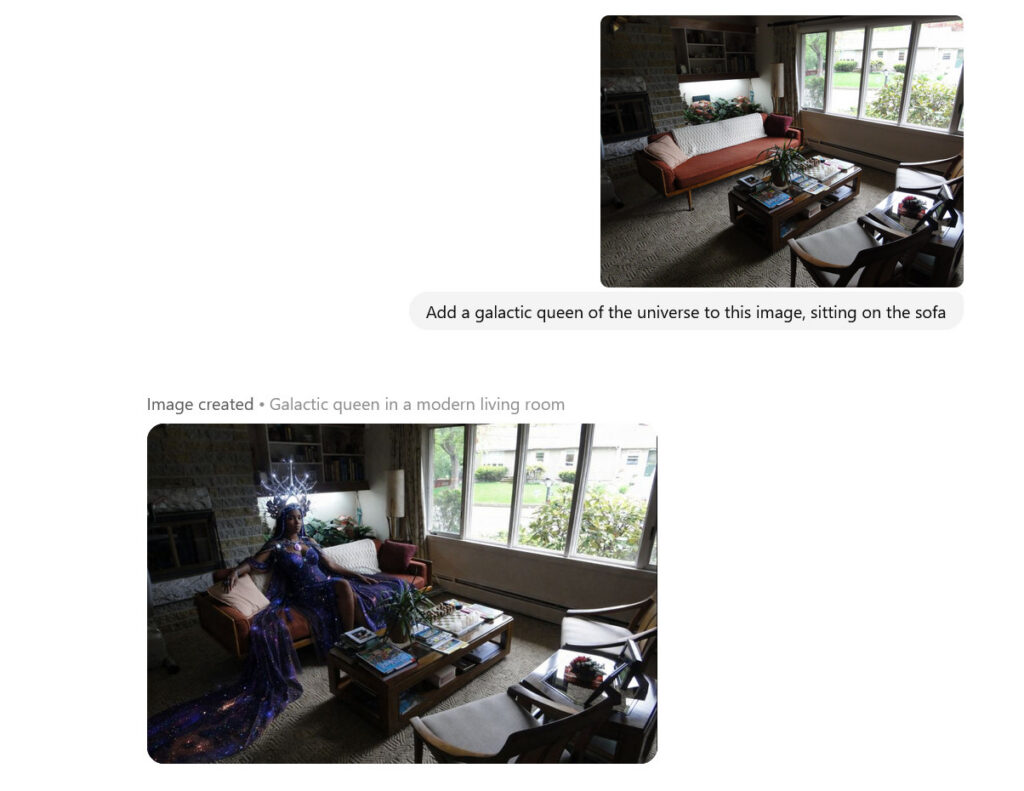
A core innovation of GPT Image 1.5 is its “native multimodal” architecture. Unlike earlier models such as DALL-E 3, which employed diffusion techniques and separate processes for text and image, GPT Image 1.5 processes language prompts and image data within a single neural network. This unified approach allows the AI to treat both text and visual elements as interconnected data “tokens,” enabling a more seamless and intuitive understanding of user requests.
This integrated processing power grants GPT Image 1.5 unprecedented flexibility in altering visual reality. Users can command the AI to change a subject’s pose or position, render a scene from a different angle, remove unwanted objects, or adjust clothing styles. The model can also refine specific areas of an image while meticulously preserving facial likeness across multiple edits, offering a new level of creative control.
The model’s conversational interface further enhances its utility, allowing users to interact with the AI in a manner similar to refining a text draft in ChatGPT. This iterative feedback loop permits users to continuously refine and revise image generations, guiding the AI through successive prompts until the desired visual outcome is achieved. This interactive dialogue makes complex image editing accessible to individuals without specialized visual design skills.
While OpenAI has been developing conversational image editing capabilities since GPT-4o in 2024, the competitive landscape in AI image generation is rapidly evolving. Google notably entered the market earlier, launching a public prototype in March which later evolved into its popular Nano Banana image model and its professional variant. The enthusiastic reception to Google’s offering reportedly spurred OpenAI’s accelerated release and refinement of GPT Image 1.5.
The widespread availability of tools like GPT Image 1.5 raises significant discussions regarding authenticity, digital literacy, and the potential for misuse. The ease with which photorealistic images can now be generated and manipulated necessitates a heightened awareness of digital content verification. This technological leap underscores an urgent need for robust frameworks to distinguish between genuine and AI-generated visual information in an increasingly complex media environment.
As AI image synthesis continues to advance, the line between reality and digitally altered content will become increasingly blurred. The progression from requiring darkroom expertise to simply typing a sentence represents a profound shift in how we create and consume visual media. GPT Image 1.5 is not merely a new tool; it is a harbinger of a future where visual creation is universally accessible, with both immense creative potential and inherent challenges.



![[post_title]](https://samony.com.ng/wp-content/uploads/2025/12/1766018679_Florida-teen-undergoes-17-hour-surgery-to-amputate-170-pound-leg-that.png?lm=69434E77 "Florida Teen Undergoes Amputation for Rare 170-Pound Leg")

![[post_title]](https://samony.com.ng/wp-content/uploads/2025/12/Airtel-Africa-taps-Elon-Musks-Starlink-to-launch-direct-to-cell-service-300x158.png?lm=69434F92 "Airtel Africa, Starlink Partner for Direct-to-Cell Across 14 Markets")

![[post_title]](https://samony.com.ng/wp-content/uploads/2025/12/Dangote-quake-Farouk-falls-Vanguard-News.png?lm=694359FD "Nigerian Oil Regulators Resign Amidst Dangote Refinery Dispute")

