

El-Rufai’s Shift to ADC: What It Signifies for Nigeria’s 2027 Elections
Nasir El-Rufai’s move to the African Democratic Congress (ADC) after leaving the All Progressives Congress (APC) sends ripples through Nigeria’s political landscape. The former Kaduna State Governor’s decision demands careful scrutiny, especially regarding the implications for the upcoming 2027 elections. It’s not just a simple change of allegiance; it speaks volumes about the internal dynamics of Nigerian politics and the ever-shifting sands of power.
El-Rufai’s stated reason for leaving the APC – a disconnect between his values and the party’s current direction – is a familiar refrain. We’ve heard similar justifications before. Yet, the reality is often more nuanced. Power struggles, policy disagreements, and the quest for relevance often play a far bigger role.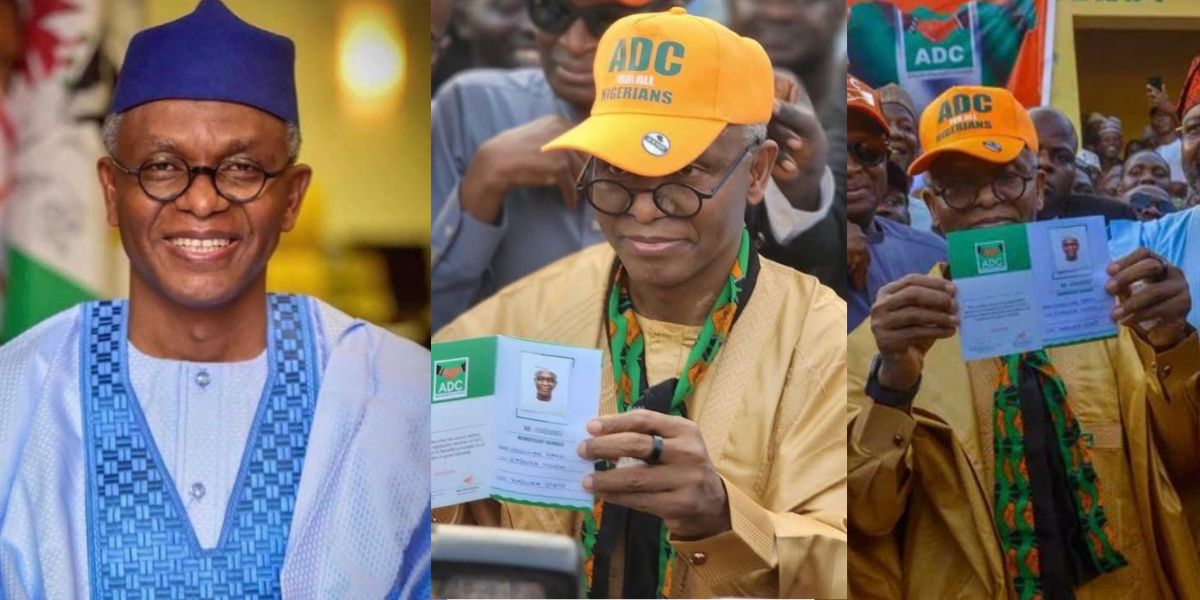 >
>
His criticisms of the APC leadership for purportedly abandoning its progressive ideals raise eyebrows. He claims his warnings about the party’s decline were ignored. Anyone following Nigerian politics closely understands this kind of pronouncements are mostly for public consumption. Still, these issues do paint a picture of internal strife.
The question now shifts to what El-Rufai aims to achieve within the ADC. Is this a genuine attempt to revitalize a smaller party with a different vision, or is it a strategic move to remain relevant, possibly as a kingmaker in the future? The ADC might seem like an unlikely choice at first glance, but sometimes, smaller platforms offer greater opportunities for influence, particularly for a figure as politically astute as El-Rufai.
It’s tempting to see this as a precursor to the 2027 elections, and perhaps rightly so. Political observers suggest El-Rufai is laying the groundwork for a future run, or at least a significant role in shaping the political discourse. A move like this doesn’t happen in a vacuum. It necessitates calculated planning and strategic alliances.>
Several factors give me pause when analyzing this development. First, the ADC lacks the widespread national reach of the APC or the PDP. Building a formidable challenge to these established giants requires considerable resources and a charismatic message that resonates across diverse demographics. El-Rufai undoubtedly possesses political savvy, but even that might not be enough to overcome these structural limitations.
Second, while El-Rufai commands respect and has a track record of implementing significant reforms, his tenure as governor was also marked by controversies. These controversies could potentially limit his appeal on a national scale. Ultimately, winning over hearts and minds across Nigeria is a different ballgame than governing a single state.
Still, we can’t dismiss El-Rufai’s capacity to inject new vigor into the ADC and attract other disaffected politicians. His entry could trigger a cascade of realignments, leading to new political alliances and shifting power dynamics. The coming months will reveal whether he can transform the ADC into a genuine contender or whether this move is simply a tactical repositioning.
Beyond the immediate implications for the 2027 elections, El-Rufai’s move underscores a deeper trend in Nigerian politics: the fluidity of party allegiances. Politicians frequently cross party lines, often with little regard for ideological consistency. This constant shuffling erodes public trust and fuels cynicism about the political process.
It also points to the weakness of political parties as institutions. Rather than being grounded in clearly defined ideologies and policy platforms, Nigerian parties often function as vehicles for personal ambition and the pursuit of power. This transactional nature of politics undermines accountability and hinders the development of long-term policy solutions.
Looking ahead, El-Rufai’s impact on the ADC will depend on several factors, including his ability to attract funding, mobilize grassroots support, and forge strategic alliances. The ADC must articulate a compelling vision for Nigeria that resonates with voters beyond the existing political establishment.
El-Rufai’s move to ADC offers a fascinating case study in Nigerian politics. It highlights the complex interplay of personal ambition, strategic maneuvering, and the ever-present quest for power. Only time will tell whether this is the start of a new chapter or just another twist in Nigeria’s ongoing political drama. One thing is clear: the political landscape is far from settled, and the 2027 elections promise to be a captivating spectacle. I, for one, will be watching keenly.

![[post_title]](https://samony.com.ng/wp-content/uploads/2025/12/2026-World-Cup-draw-300x140.png?lm=69334EB1 "2026 World Cup: Forget the Hype, What Does the Draw Really Mean?")


![[post_title]](https://samony.com.ng/wp-content/uploads/2025/12/1764969684_What-Netflixs-54bn-takeover-of-Warner-Bros-means-for-Hollywood-300x158.jpg?lm=69334CD7 "Streaming’s New Colossus: Integrating Legacy, Navigating Monopoly, and Preserving Creative DNA")

![[post_title]](https://samony.com.ng/wp-content/uploads/2025/12/An-diesem-beliebten-Mallorca-Strand-sind-neue-Benimmregeln-geplant-1024x538.jpg?lm=6933533D "Sóller’s Beach Ban: Paradise Lost or Sanity Restored? Mallorca’s Urgent Debate")
![[post_title]](https://samony.com.ng/wp-content/uploads/2025/12/Mother-drinks-annoiting-oil-rubs-it-on-her-forehead-as-1024x535.jpg?lm=693353AF "Viral TikTok: How Faith Endures in a Tech-Driven World")
![[post_title]](https://samony.com.ng/wp-content/uploads/2025/12/2026-World-Cup-draw-1024x477.png?lm=69334EB2 "2026 World Cup: Forget the Hype, What Does the Draw Really Mean?")
