Odumeje Calls Out Nigerian Pastors: A Critical Look at Church, State, and Silence
The self-proclaimed “Liquid Metal,” controversial pastor Odumeje, recently ignited a firestorm, criticizing Nigerian pastors for their perceived silence on issues of bad governance. Odumeje’s outburst, delivered during a church service, raises some pointed questions about the role of religious leaders in Nigeria’s socio-political landscape. He accuses them of prioritizing personal gain over the well-being of their congregations, a bold claim that deserves closer examination.
Odumeje’s central argument? Many pastors enjoy state-sponsored privileges – heavy security details, preferential treatment from politicians – yet they offer congregants little more than symbolic gestures like stickers and olive oil. They avoid tackling the hard realities of poverty and poor leadership, he asserts. This avoidance, according to Odumeje, equates to complicity in the face of societal problems.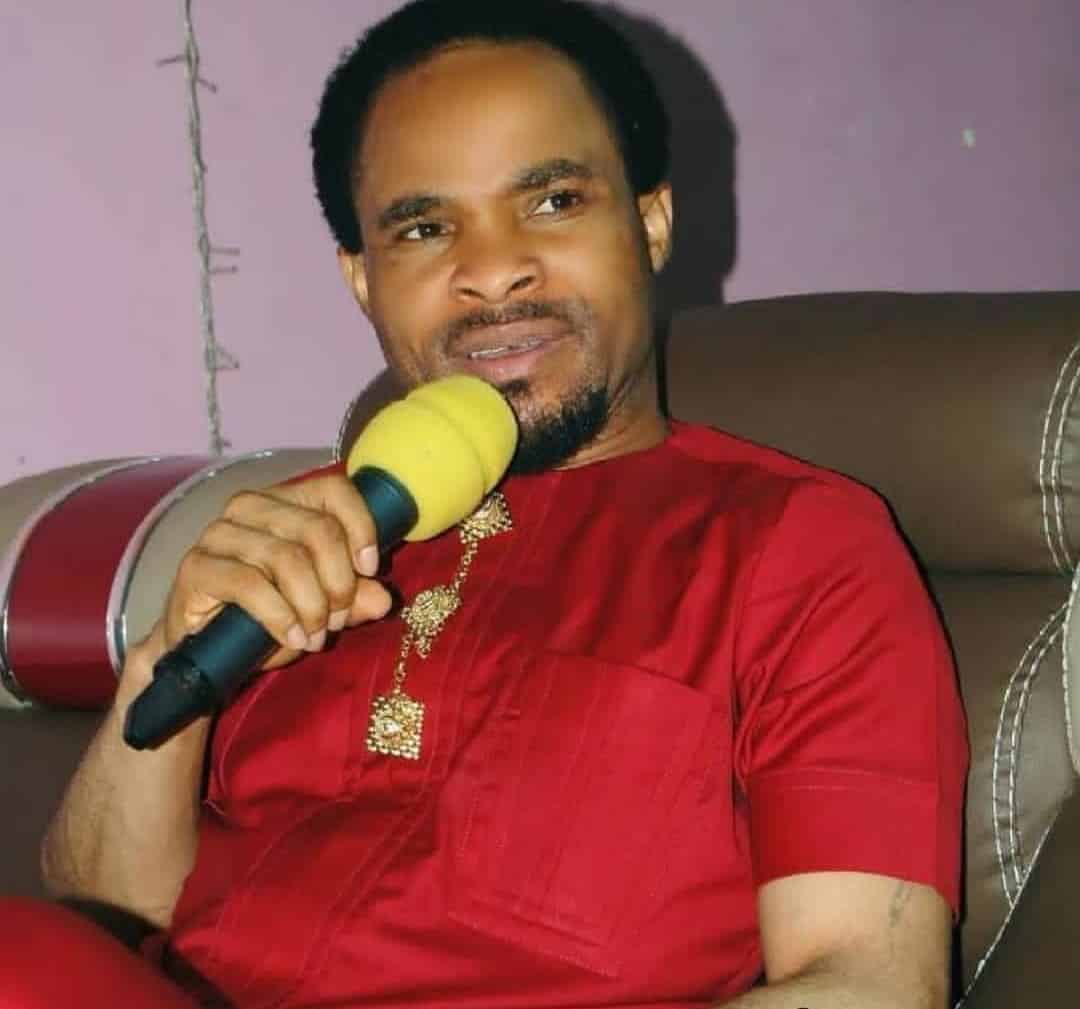 >
>
It’s worth noting that this isn’t a new narrative. The relationship between the church and the state in Nigeria has always been complex, marked by periods of cooperation and conflict. Some pastors wield considerable influence, acting as power brokers and advisors to politicians. Yet, this closeness can also breed a reluctance to criticize the very structures that afford them prestige.
Odumeje further challenged the credibility of pastors who flaunt their spiritual authority but fail to demonstrate any tangible impact on their ministries or communities. He questioned their right to such esteemed titles when their actions don’t match the rhetoric. This critique strikes at the heart of a growing concern among many Nigerians: Is the modern church truly serving its intended purpose, or has it become another avenue for wealth accumulation and self-aggrandizement?
The truth, as it usually is, sits somewhere in the middle. It’s inaccurate to paint all Nigerian pastors with the same brush. Plenty of religious leaders actively engage in social justice initiatives, providing essential services and advocating for the marginalized. Yet, Odumeje’s remarks highlight a genuine concern about the silence of some prominent figures within the religious community.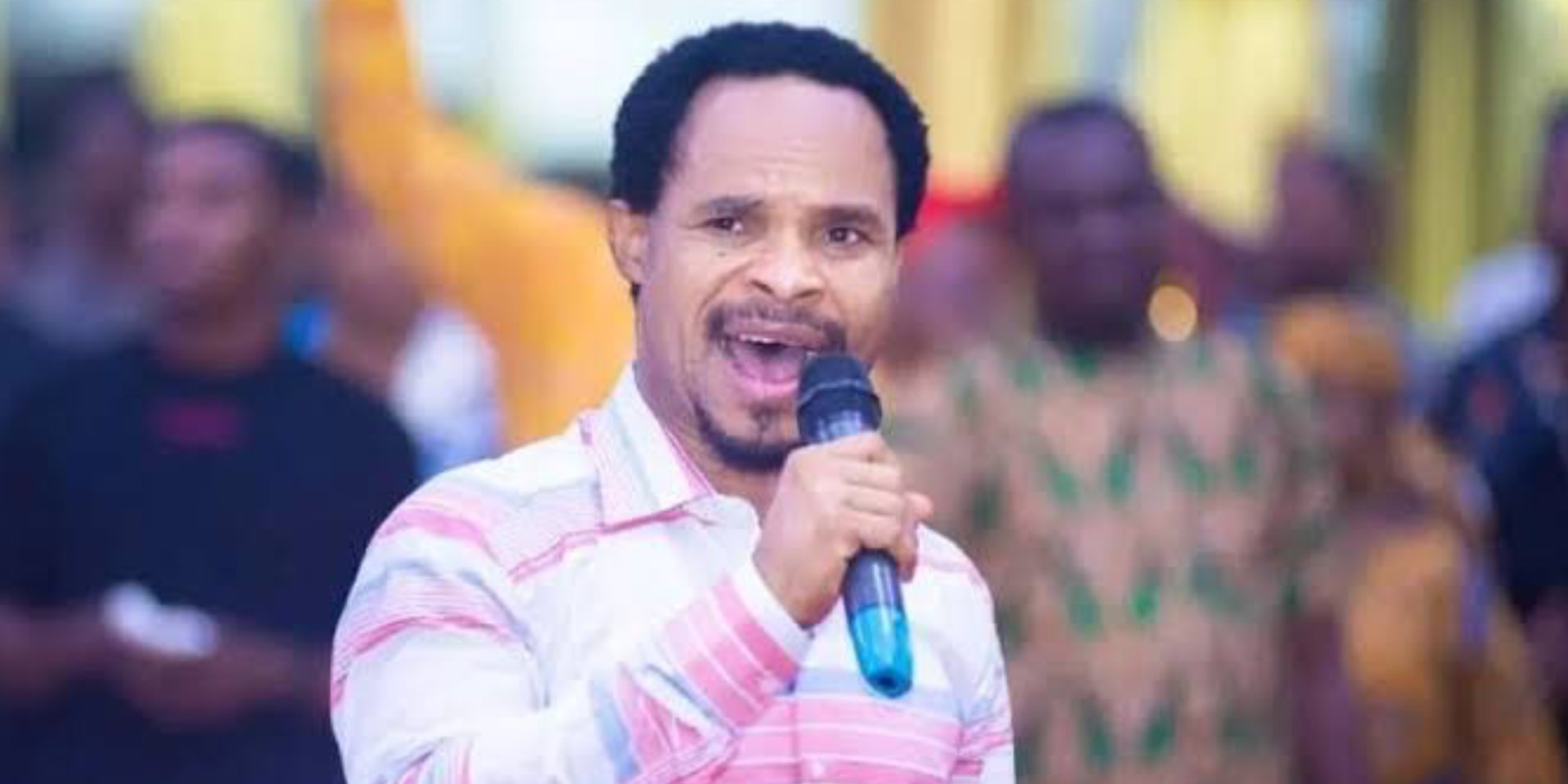 >
>
One cannot dismiss the economic realities either. Many churches depend on donations from their congregations, and openly criticizing the government, which often wields significant economic power, can jeopardize the church’s financial stability. This precarious balance, between speaking truth to power and maintaining operational viability, creates a difficult dilemma for some religious institutions.
Given these facts, the question becomes: What constitutes effective engagement? Is it the fiery, confrontational approach advocated by Odumeje, or does change come through quieter, behind-the-scenes diplomacy? Perhaps both strategies are necessary, serving different purposes and reaching different audiences.
It’s worth noting Odumeje’s own history. His flamboyant style and unconventional methods have attracted both admiration and criticism. He operates outside the mainstream, which perhaps affords him a freedom to speak that more established religious leaders lack.
This challenge isn’t unique to Nigeria. Religious institutions around the world wrestle with the balance between spiritual guidance and social activism. Where does faith end and politics begin? The line is rarely clear, and navigating this ambiguity requires careful consideration and a willingness to engage in difficult conversations.
Yet, the core of Odumeje’s message resonates: spiritual leaders have a responsibility to address the realities facing their followers. Whether that involves direct confrontation, quiet diplomacy, or community-based initiatives depends on the individual, the context, and the specific challenges at hand.
In any case, this debate is vital for the future of Nigeria. A thriving society needs strong moral voices, willing to hold power accountable and advocate for the voiceless. If the church is to remain relevant, it must find a way to navigate the complex terrain of faith, politics, and social responsibility. It will require honest self-reflection, a willingness to listen to diverse perspectives, and a commitment to serving the common good, even when it’s uncomfortable. The status quo is simply not sustainable.


![[post_title]](https://samony.com.ng/wp-content/uploads/2025/12/Full-List-Of-Lawmakers-Who-Refused-To-Dump-PDP-For.jpg?lm=6933A187 "Rivers State: Defection Dynamics and Political Fortunes")
![[post_title]](https://samony.com.ng/wp-content/uploads/2025/12/The-Verges-2025-holiday-gift-guide-110-of-the-best-300x156.jpg?lm=69339E75 "2025 Tech Gifts: A Skeptical Shopper’s Guide")
![[post_title]](https://samony.com.ng/wp-content/uploads/2025/12/Wike-sacks-FCT-IRS-acting-chairman-Michael-Ango-300x291.jpeg?lm=69338BEC "Wike Sacked FCT Revenue Boss After Record Numbers: What’s Really Going On?")
![[post_title]](https://samony.com.ng/wp-content/uploads/2025/12/Netflix-To-Acquire-Warner-Bros-Discoverys-Film-And-Streaming-Units-300x171.jpg?lm=693385DB "Streaming’s $72 Billion Gamble: Netflix and Warner Bros. Discovery")
![[post_title]](https://samony.com.ng/wp-content/uploads/2025/12/16-LAWMAKERS-DEFECT-FROM-PDP-TO-APC-IN-RIVERS-STATE-300x208.jpg?lm=69338673 "Rivers State Politics Just Got Wild: What’s Going On?")

![[post_title]](https://samony.com.ng/wp-content/uploads/2025/12/High-Risk-for-Frostbite-Heart-Strain-and-Chronic-Conditions-1024x576.jpg?lm=6933A071 "Polar Vortex Here? What You MUST Know to Stay Safe")