

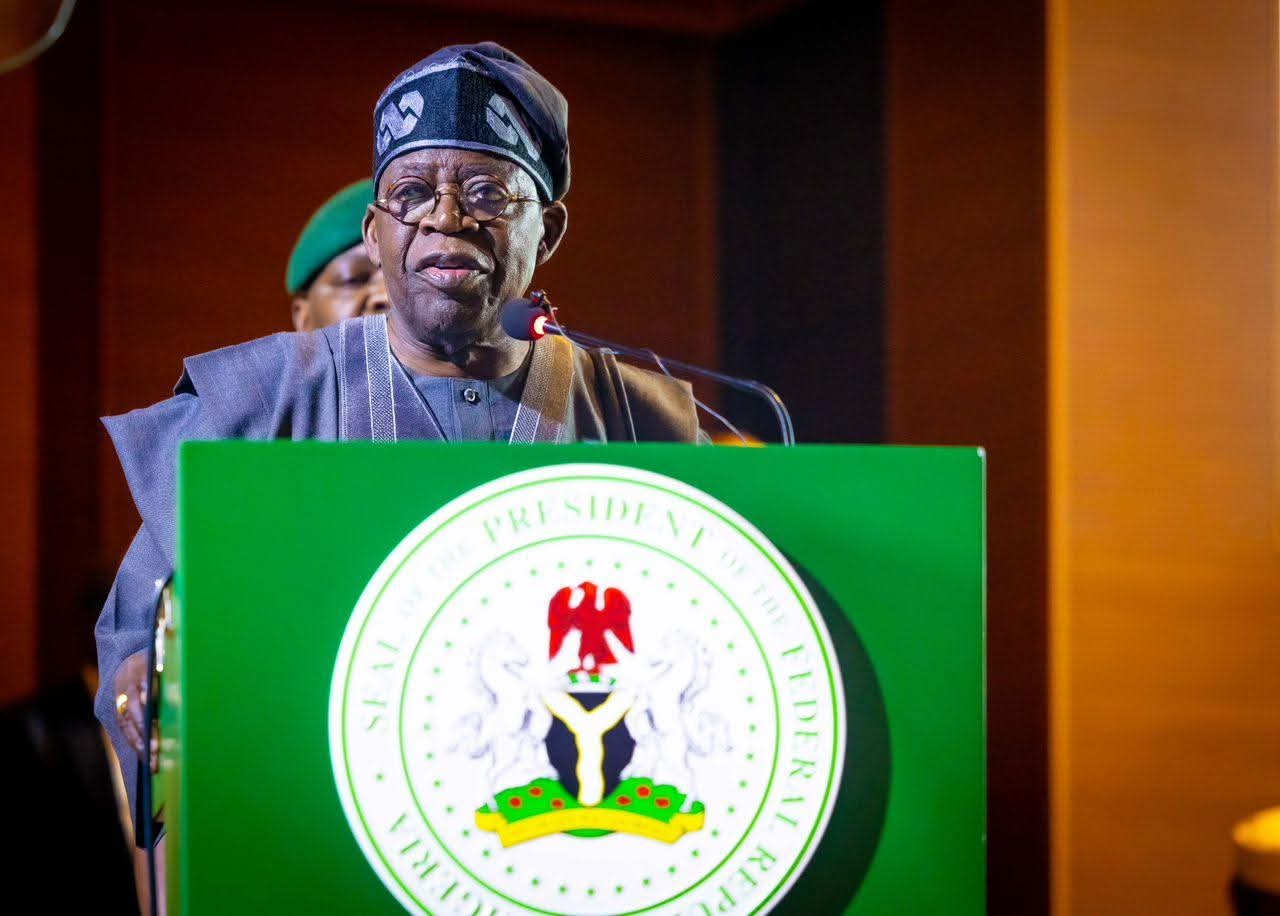
![[post_title]](https://samony.com.ng/wp-content/uploads/2025/12/Peter-Obi-reacts-to-distribution-of-2027-campaign-vehicles-for-1024x565.jpeg?lm=6931A32D)
Peter Obi’s Critique of Tinubu’s Campaign Vehicle Distribution: A Deeper Look
Peter Obi’s sharp rebuke of the distribution of luxury vehicles for President Tinubu’s 2027 campaign mobilization raises important questions about priorities and governance in Nigeria. The former Labour Party presidential candidate didn’t mince words, labeling the move an act of “profound insensitivity” and a breach of public trust. He highlighted a disconnect between the opulent display of wealth and the daily struggles of ordinary Nigerians.
The optics are, admittedly, terrible. Videos of these branded Land Cruisers, Hiluxes, and even Hummers circulating online ignited predictable outrage. It’s a familiar story in Nigerian politics: leaders appearing detached from the realities faced by their constituents. Obi correctly observes the stark contrast: brand-new luxury vehicles for political maneuvering while citizens grapple with surging hunger, joblessness, and a pervasive sense of insecurity.
But, is it merely a matter of optics? Or does this vehicle distribution gesture signal something deeper about the nation’s political landscape?
Obi’s argument is compelling. He suggests that the resources spent on these vehicles could be better allocated to addressing urgent needs: feeding the hungry, bolstering healthcare, supporting unemployed youth, and strengthening community security. He points to the heartbreaking realities – children dropping out of school due to unaffordable fees, mothers dying during childbirth because of inadequate medical supplies, and families torn apart by insecurity. These are not abstract issues; they are the lived experiences of millions of Nigerians.
It’s worth pausing to ask what motivates actions like this. Is it simply a matter of rewarding loyalty and ensuring campaign readiness? Or is there an underlying belief that such displays of power and resources are necessary to maintain political dominance? Either way, the message it sends is hardly inspiring.
There’s a certain cyclical nature to Nigerian politics. We see this pattern repeat itself: promises made, hopes raised, and then… disappointment. Obi frames the vehicle distribution as a “moral failure disguised as political strategy,” a betrayal of the very essence of public service. He advocates for a leadership style anchored in empathy, prudence, and accountability. Nigeria, he argues, simply cannot sustain its current trajectory of wastefulness and insensitivity.
Of course, some will dismiss Obi’s criticism as politically motivated. After all, he’s still a prominent figure in the opposition. Yet, his observations resonate with a widespread sentiment of disillusionment. Many Nigerians are tired of seeing their leaders prioritize personal gain and political maneuvering over the well-being of the populace.
This challenge is not unique to Nigeria. Across the globe, citizens are demanding greater accountability and transparency from their elected officials. They want to see their tax money used to improve their lives, not to fund extravagant displays of power.
It’s easy to be cynical about Nigerian politics. Years of dashed hopes can breed a sense of resignation. Still, Obi’s words serve as a reminder that things don’t have to be this way. Leadership can be about service, empathy, and a genuine commitment to improving the lives of ordinary people.
The core of the matter is trust. When citizens lose faith in their leaders, the entire system begins to erode. Rebuilding that trust requires more than just empty promises; it demands concrete actions that demonstrate a genuine commitment to the common good.
It’s tempting to dismiss this as just another political squabble. Yet, it highlights a fundamental tension: the disconnect between the priorities of the political elite and the needs of the people they are supposed to serve. The distribution of luxury vehicles, in this context, becomes a symbol of that disconnect.
Given these facts, where does Nigeria go from here? Obi calls for a leadership built on empathy, prudence, and accountability. That’s a tall order, granted, but it’s not an impossible one. It requires a fundamental shift in mindset, a willingness to prioritize the needs of the people over the pursuit of power and wealth.
Perhaps the viral video and subsequent outcry can serve as a catalyst for change. Maybe this incident, however disheartening, can spark a broader conversation about the kind of leadership Nigeria needs and deserves. It’s a long shot, maybe.
To that end, Nigeria must chart a new path. A path toward more responsible and compassionate governance. A path where the needs of the people are prioritized over the ambitions of politicians. That, in essence, is what Obi is calling for. And it’s a call that deserves to be heeded. The alternative is simply unacceptable.
Keywords: Peter Obi, Tinubu campaign vehicles, Nigeria politics, Nigerian leadership, governance in Nigeria, political accountability, public trust, political strategy

![[post_title]](https://samony.com.ng/wp-content/uploads/2025/12/Why-Does-Yogurt-Hurt-My-Stomach-300x169.jpg?lm=6931A158 "Yogurt Hurts Your Stomach? Here’s Why")
![[post_title]](https://samony.com.ng/wp-content/uploads/2025/12/FBI-announces-arrest-of-suspect-who-left-pipe-bombs-in-300x200.jpg?lm=6931A1B2 "Okay, they finally made an arrest in the January 6th pipe bomb case, but is something still off?")
![[post_title]](https://samony.com.ng/wp-content/uploads/2025/12/1764860569_Prince-Harry-makes-surprise-TV-appearance-as-father-in-law-in-intensive-300x158.jpg?lm=6931A29B "Prince Harry’s Colbert Cameo: A Calculated Move or Royal Overexposure?")
![[post_title]](https://samony.com.ng/wp-content/uploads/2025/12/1764854990_Police-officers-attached-to-VIPs-now-wear-suits-to-bypass-300x162.jpg?lm=69318CD2 "Nigeria’s VIP Security Dilemma: Reform and Resistance")


![[post_title]](https://samony.com.ng/wp-content/uploads/2025/12/Why-Does-Yogurt-Hurt-My-Stomach-1024x576.jpg?lm=6931A159 "Yogurt Hurts Your Stomach? Here’s Why")
![[post_title]](https://samony.com.ng/wp-content/uploads/2025/12/FBI-announces-arrest-of-suspect-who-left-pipe-bombs-in-1024x683.jpg?lm=6931A1B5 "Okay, they finally made an arrest in the January 6th pipe bomb case, but is something still off?")
