

![[post_title]](https://samony.com.ng/wp-content/uploads/2025/12/1764727153_Vanity-Fairs-Olivia-Nuzzi-trashes-scorned-ex-Ryan-Lizza-for-1024x683.jpg?lm=692F9978)
The Nuzzi-Lizza Saga: A Critical Look at Media, Relationships, and the Public Interest
The recent public airing of dirty laundry between journalists Olivia Nuzzi and Ryan Lizza has ignited a firestorm, raising questions about the role of media, personal vendettas, and what truly constitutes the public interest. It’s not just gossip; it touches on broader industry shifts and the blurring lines between personal and professional lives.
Lizza’s decision to publish details of Nuzzi’s alleged affairs, framed as a pursuit of truth, strikes me as… questionable. He shared alleged love letters and erotic poetry involving Nuzzi and figures like Robert F. Kennedy Jr. and Mark Sanford via his Substack publication, Telos News. Nuzzi, in turn, has labeled this a form of “revenge porn,” accusing Lizza of harassment and a desire to destroy her.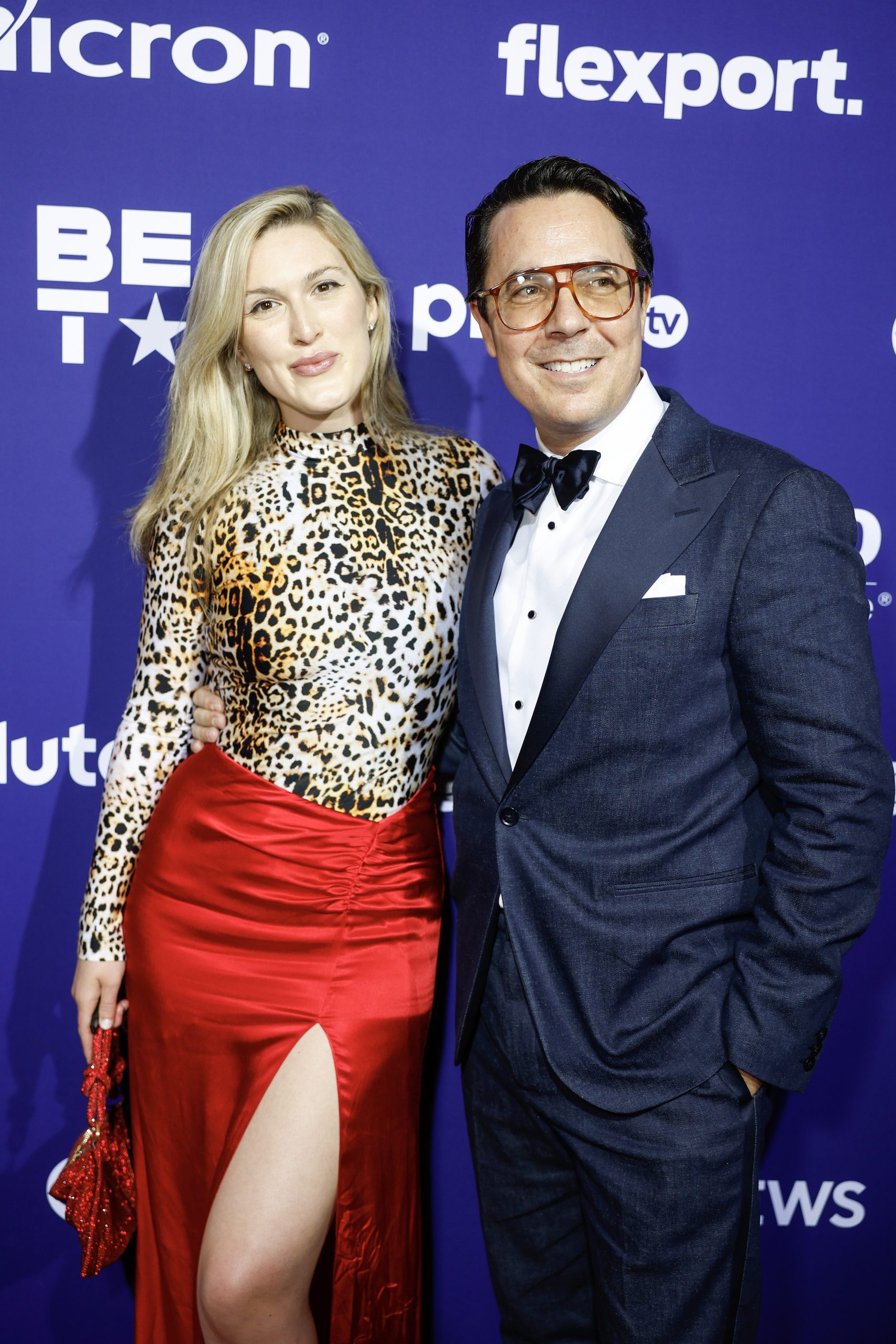 >
>
One has to wonder: what’s the endgame here? Is this about exposing some crucial public malfeasance, or is it a jilted lover using his platform to inflict maximum damage? I’ve seen this type of scenario play out before, and it rarely reflects well on anyone involved. Substack as the venue only adds another layer to scrutinize.
The core issue, as I perceive it, stems from the nature of modern journalism. The industry rewards access and proximity to power. Journalists often cultivate close relationships with politicians and other influential figures. And this proximity, while potentially beneficial for reporting, can create complicated dynamics when personal relationships sour. What starts as a professional contact could quickly morph into a tangled web of personal involvement, further convoluting the already murky waters of ethical reporting.
Nuzzi’s book, American Canto, appears to touch on a relationship with a figure resembling Kennedy, further fueling the speculation. The Kennedy camp denies any affair, claiming only one meeting ever occurred. You have to wonder if the timing of the “tell-all” substack posts coinciding with the book publication is a calculated effort to taint its reception. It’s a strategy as old as time itself.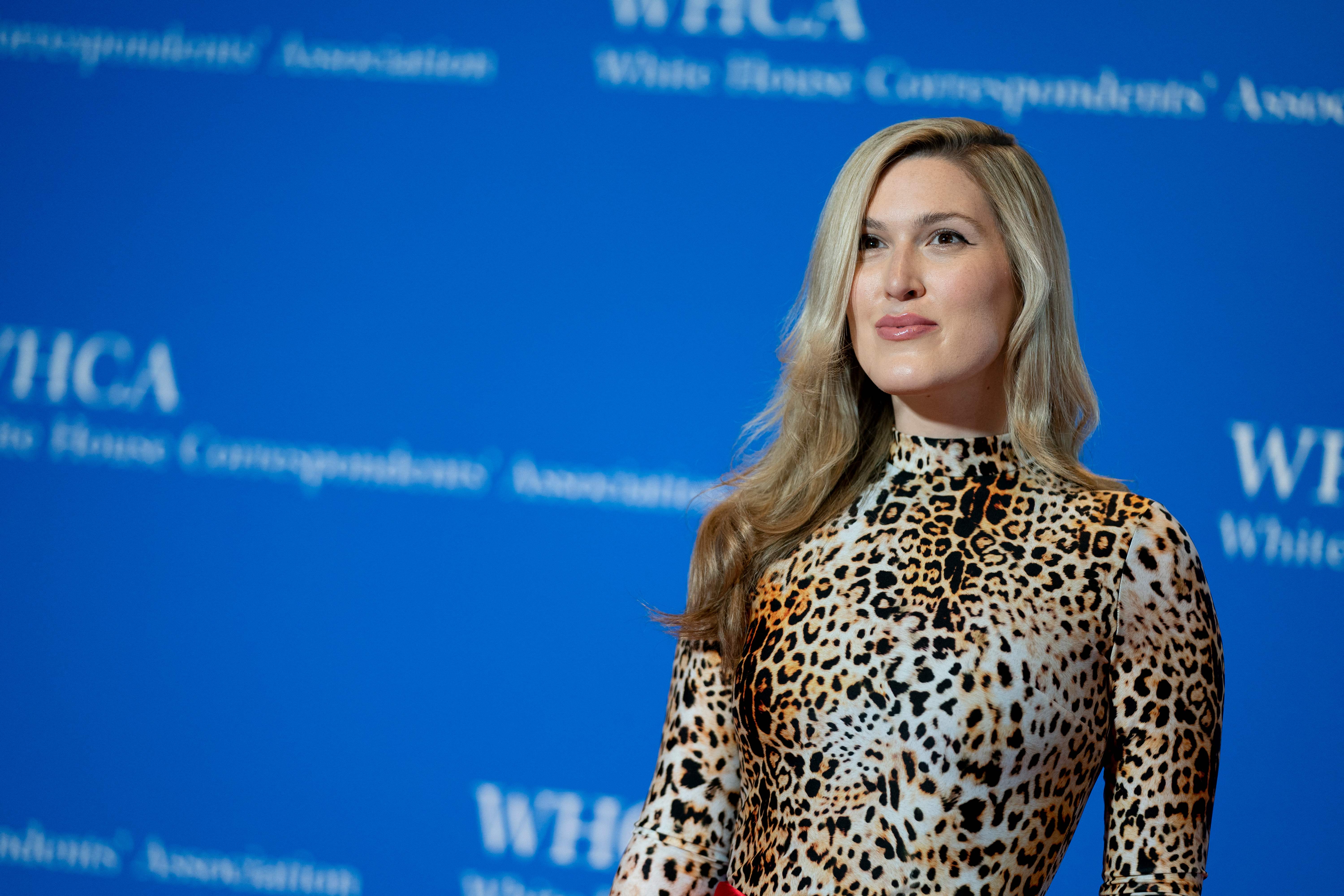 >
>
It’s worth asking whether this situation would even be news were it not for the involved parties’ prominence in the media landscape. The fact that it involves journalists reporting on journalists adds another layer of intrigue, and I suspect that fuels the public’s interest. This makes it even more necessary to apply the highest standards of ethical scrutiny.
The question of what the “public interest” entails here is also tricky. Lizza seems to suggest that revealing alleged infidelity is somehow vital for public understanding. Is it? Or is it just juicy gossip masquerading as important news? In my view, for such matters to truly cross the line into public interest, there must be a direct link to the involved parties’ professional conduct or the abuse of power. Otherwise, it remains a private matter.
This entire episode highlights the dangers of platforms like Substack. They grant individuals unprecedented power to publish without editorial oversight. And while this can be liberating, it also removes traditional safeguards against libel, defamation, and the kind of personal vendettas that seem to be at play here. I have seen the rise of independent media, and while the democratization of content creation holds immense potential, it also demands greater responsibility from content creators themselves.
I’m not entirely convinced by the claim that “telling the truth is not harassment,” as Lizza stated. The truth, presented without context or a clear public interest justification, can indeed be weaponized. It can inflict harm and cause lasting damage. Intent matters, and the timing and delivery of information are just as important as the accuracy of the facts themselves.
What does it all add up to? Probably a cautionary tale about the intertwined nature of media, relationships, and the slippery slope of personal feuds spilling into the public sphere. And it’s a reminder that even in the age of unfiltered information, discretion and a sense of ethical responsibility still matter. As someone who has watched similar dramas unfold over the years, it’s hard to avoid a sense of déjà vu. The names change, the platforms evolve, but the underlying human dynamics remain stubbornly consistent.
One hopes that this situation prompts some reflection within the media industry about its own standards and practices. A critical examination of access, influence, and the blurred lines between personal and professional conduct is long overdue.

![[post_title]](https://samony.com.ng/wp-content/uploads/2025/12/1764725693_NASCAR-US-news-Denny-Hamlin-erupts-in-NASCAR-antitrust-trial-300x200.jpeg?lm=692F93C1 "NASCAR Antitrust Trial: Racing’s Power Struggle Exposed")
![[post_title]](https://samony.com.ng/wp-content/uploads/2025/12/President-Tinubu-Appoints-Gen-Chris-Musa-rtd-As-New-Defence-300x200.jpg?lm=692F956B "Musa Named Defence Minister: Military Expertise Enough?")

![[post_title]](https://samony.com.ng/wp-content/uploads/2025/12/27-year-old-man-found-dead-in-deep-well-in-Ogbomoso-300x169.jpg?lm=692F8D08 "Ogbomoso Well Death: Unanswered Questions and Community Concerns")
![[post_title]](https://samony.com.ng/wp-content/uploads/2025/12/Edo-lawmakers-summons-2Babas-wife-Natasha-Osawaru-over-alleged-misconduct-300x150.jpg?lm=692F8D9E "2Face Idibia’s Wife Summoned: Is This Fair or Just Public Pressure?")


![[post_title]](https://samony.com.ng/wp-content/uploads/2025/12/AFCON-2025-CHELLE-LISTS-EKONG-OSIMHEN-52-OTHERS-IN-PROVISIONAL-1024x585.jpg?lm=692F9745 "Nigeria’s AFCON 2025 Squad: Chelle’s 55-Man Roster Reveals Surprises and NPFL Hope")
![[post_title]](https://samony.com.ng/wp-content/uploads/2025/12/1764725693_NASCAR-US-news-Denny-Hamlin-erupts-in-NASCAR-antitrust-trial-1024x682.jpeg?lm=692F93C1 "NASCAR Antitrust Trial: Racing’s Power Struggle Exposed")
![[post_title]](https://samony.com.ng/wp-content/uploads/2025/12/President-Tinubu-Appoints-Gen-Chris-Musa-rtd-As-New-Defence.jpg?lm=692F956A "Musa Named Defence Minister: Military Expertise Enough?")
