

Nollywood Suspension: A Sign of Shifting Power Dynamics in the Nigerian Film Industry?
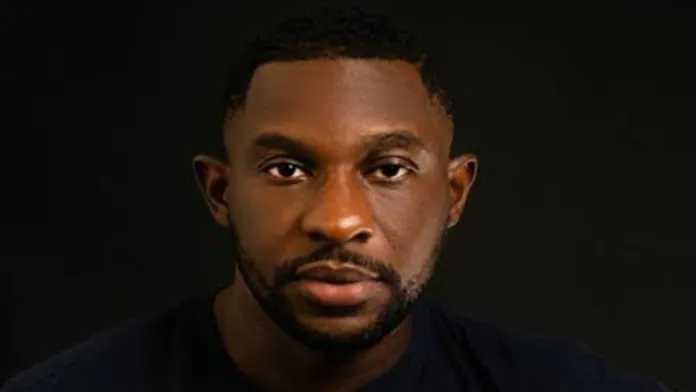
The recent suspension of Nollywood actor Taye Arimoro, jointly enacted by the Actors Guild of Nigeria (AGN), the Directors Guild of Nigeria (DGN), and the Association of Movie Producers (AMP), commands attention. Arimoro’s on-set altercation, implicating actress-producer Peggy Ovire, ignited a firestorm, leading to swift disciplinary action. The guilds allege Arimoro instigated the clash, assaulted personnel, and spread misleading information. This situation, though seemingly isolated, potentially signals a larger power struggle within Nollywood.
Emeka Rollas, AGN President, articulated the guilds’ stance, emphasizing the importance of unity, trust, and protecting the dignity of every actor. His words resonate with the growing need for structure and accountability. He also highlighted that the action was necessary for healing, restoration of trust and strengthening the bonds of the Nollywood family. But is it enough?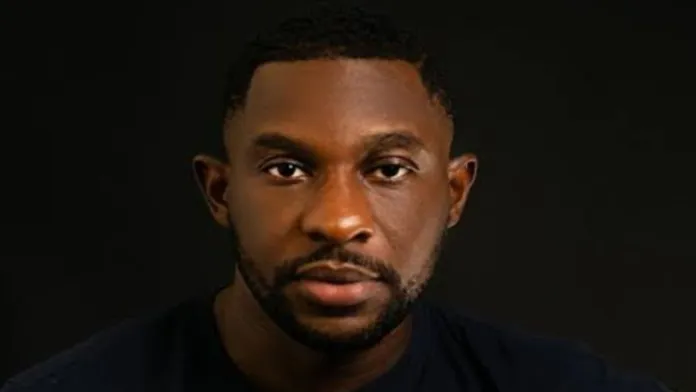 >
>
The guilds demand a public apology from Arimoro to the production manager, Peggy Ovire, and the director. Moreover, they require a corrected account of events. Finally, he must return to set under supervision. These stipulations suggest a firm resolve to maintain order and protect its members, yet they also raise questions about restorative justice versus punitive measures.
It’s worth noting the joint action by AGN, DGN, and AMP. These entities joining forces indicates a united front against unprofessional conduct. Indeed, Nollywood has long wrestled with issues of on-set misconduct, payment disputes, and overall lack of standardized practices. This suspension, then, might represent a turning point, a concerted effort to professionalize the industry and cultivate a safer, more respectful working environment.
Yet, the situation isn’t quite so simple. Nollywood, despite its phenomenal growth, remains a complex ecosystem. Informal relationships often trump formal structures. Personal connections frequently outweigh contractual obligations. Favoritism and exploitation still rear their ugly heads. This incident, therefore, could just be a surface-level response to a deeper, more systemic problem.>
Having witnessed similar scenarios play out in other creative industries, I approach this with mild skepticism. Often, these public displays of disciplinary action serve as a convenient way to demonstrate authority. They may not always address the underlying causes of the problem. Is this suspension a genuine effort to enforce ethical conduct, or simply a public relations move to appease critics and project an image of control?
The rise of actress-producers like Peggy Ovire is also a noteworthy development. These individuals wield increasing influence, both on and off-screen. Their roles as producers allow them to shape narratives, control budgets, and impact the working conditions on set. While this can empower actors, it also creates new power dynamics that can potentially lead to conflicts and imbalances. This incident, therefore, might be indicative of these evolving dynamics, a clash between established actors and emerging power brokers.
We should also consider the impact of social media. Arimoro’s live video, deemed misleading by the guilds, underscores the power of online platforms to shape public perception. In today’s digital age, accusations can spread like wildfire, reputations can be tarnished in an instant, and due process can be circumvented by public opinion. The guilds’ response, therefore, also serves as a cautionary tale about the responsible use of social media within the industry. Nollywood must grapple with the challenges of managing online narratives and protecting its members from the potential harms of digital scrutiny.
It’s also essential to probe beyond the immediate incident and explore the broader labor practices within Nollywood. Are actors adequately protected by contracts? Do they have recourse in cases of mistreatment or exploitation? Are there clear mechanisms for resolving disputes and addressing grievances? The answers to these questions will determine whether this suspension translates into meaningful, lasting change.
This challenge isn’t unique to Nollywood. Many creative industries struggle with similar issues of power imbalance, workplace harassment, and lack of regulation. The response of the AGN, DGN, and AMP offers a potential blueprint for other industries seeking to address these challenges. However, the effectiveness of these measures will depend on consistent enforcement, transparency, and a genuine commitment to creating a more equitable and respectful environment for all stakeholders.
In any case, the Arimoro suspension has sparked vital conversations about accountability, ethics, and power dynamics within Nollywood. The hope is that it catalyzes genuine progress. For this to occur, stakeholders must champion better labor practices, encourage open dialogue, and foster a culture of respect and professionalism. It will necessitate that Nollywood members work towards transparency to ensure that these measures improve the industry in the long term. Only then can Nollywood truly realize its potential and thrive as a vibrant, sustainable, and equitable creative ecosystem.

![[post_title]](https://samony.com.ng/wp-content/uploads/2025/11/We-inherited-a-very-bad-economy-300x212.jpg?lm=692A7708 "Nigeria’s Recovery: Real Progress or Risky Illusion?")
![[post_title]](https://samony.com.ng/wp-content/uploads/2025/11/1764389082_Trump-urged-not-to-push-through-bad-Ukraine-peace-deal-300x200.jpeg?lm=692A70DD "Ukraine Peace Deal: Averting a Repeat of Past Mistakes")
![[post_title]](https://samony.com.ng/wp-content/uploads/2025/11/Boko-Haram-Bandits-Have-Declared-War-On-Nigeria-ECOWAS-Should-300x169.jpg?lm=692A6F8C "Nigeria’s Security War: ECOWAS Intervention and Northern Reckoning")
![[post_title]](https://samony.com.ng/wp-content/uploads/2025/11/Jogadores-do-Santos-pedem-penalti-em-Guilherme-diante-do-Sport.webpwidth1200height740-300x185.webp?lm=692A7069 "Neymar’s Goal and Penalty Debate Fuel Santos’ Fight Against Relegation")
![[post_title]](https://samony.com.ng/wp-content/uploads/2025/11/Auras-latest-gift-worthy-digital-photo-frame-is-30-off-for-300x156.jpeg?lm=692A6C32 "Aura Aspen: Black Friday Photo Frame Reality Check")

![[post_title]](https://samony.com.ng/wp-content/uploads/2025/11/Santos-vence-Sport-com-show-de-Neymar-e-deixa-o-1024x576.jpg?lm=692A77AA "Santos Won, But is Neymar Enough to Save Them? A Friend’s Take")
![[post_title]](https://samony.com.ng/wp-content/uploads/2025/11/Why-I-Visited-Chris-NgigePeter-Obi.jpg?lm=692A78CE "Obi Visits Ngige After Attack: Politics or Solidarity?")
![[post_title]](https://samony.com.ng/wp-content/uploads/2025/11/We-inherited-a-very-bad-economy.jpg?lm=692A7707 "Nigeria’s Recovery: Real Progress or Risky Illusion?")
