

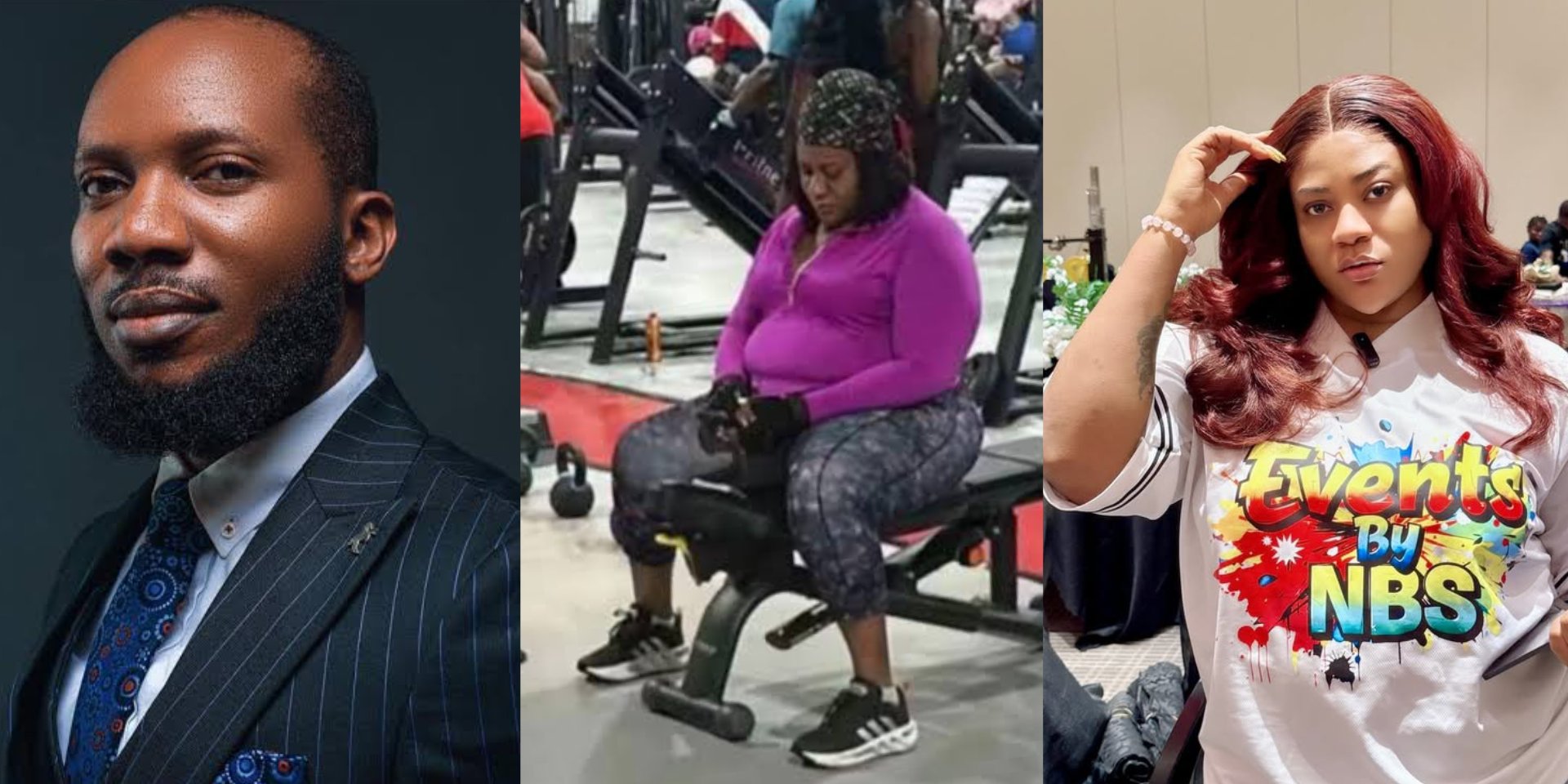
Nkechi Blessing’s Gym Photo Arrest: A Legal Eye on Celebrity Privacy in Public
The recent episode involving Nollywood actress Nkechi Blessing and a gym-goer she had arrested for snapping her picture has ignited a conversation – one that demands more than just a surface-level take. A lawyer, Inibehe Effiong, stepped into the fray, questioning the actress’s use of law enforcement over a seemingly minor incident. It raises questions about celebrity privacy, public space etiquette, and the police’s role in these kinds of disputes.
It all started when Nkechi Blessing revealed she had someone arrested for taking her picture at the gym without her permission. She felt her privacy had been violated. Effiong countered that as a public figure in a public space, the situation doesn’t necessarily warrant police intervention. He even expressed disappointment that the police got involved at all, calling it a misplacement of priorities.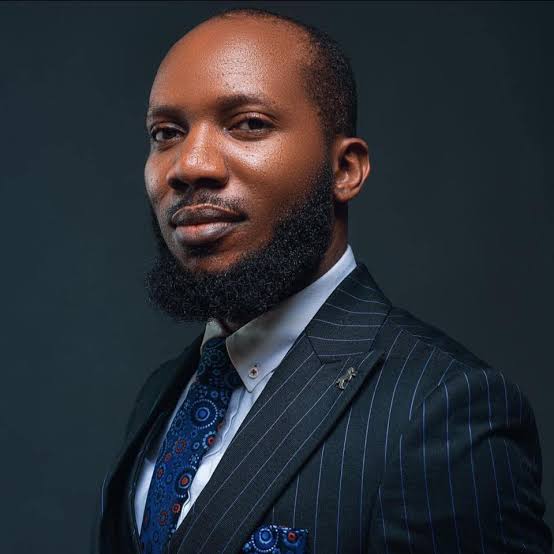 >
>
Now, I’ve seen similar situations play out before, and they rarely have a simple answer. There are many sides to consider.
There’s the celebrity perspective. Celebrities, like anyone else, deserve a degree of privacy. Constant attention can be intrusive and disruptive, especially in places like a gym, where they are presumably trying to focus on their health. The feeling of being constantly watched can be unsettling. I can empathize with wanting to control your image and prevent unauthorized photos from circulating.
Yet, it is a public space. When you step out in public, especially as a well-known figure, a certain level of exposure comes with the territory. It’s not an endorsement of open season, but a tacit understanding that complete anonymity is unlikely. The line becomes blurred when does casual observation cross into harassment or violation? That’s where things get tricky.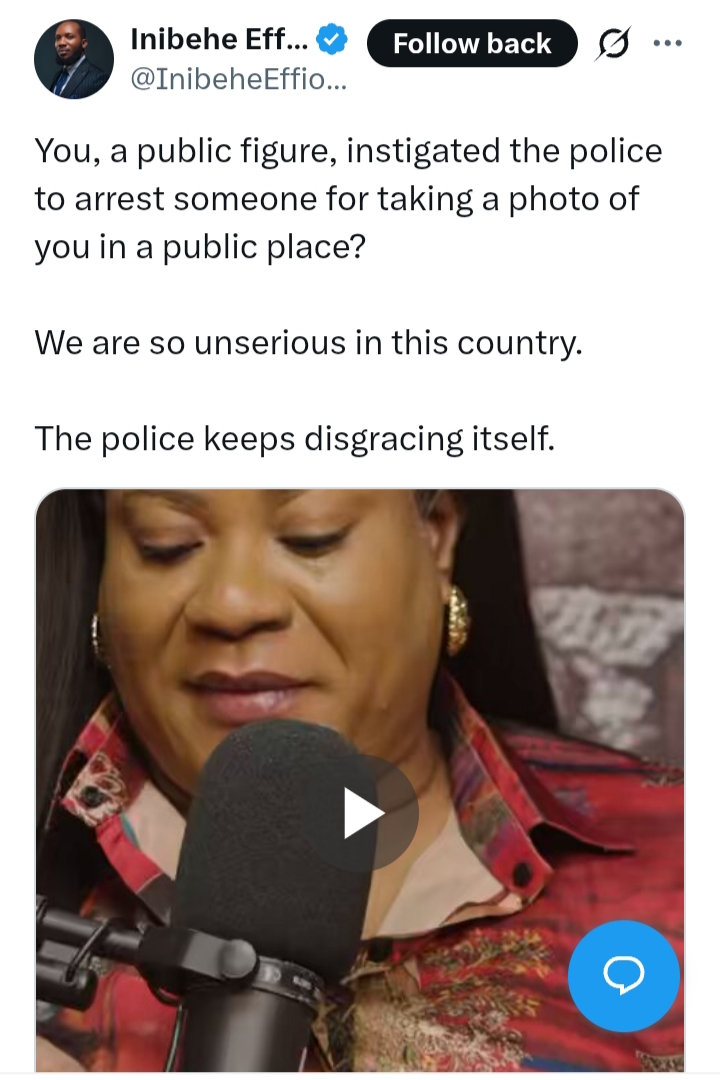 >
>
The gym-goer’s intent, or lack thereof, also matters. Was the photo taken maliciously? Was it shared widely online with disparaging comments? Or was it a simple, fleeting moment of fandom? The context influences the gravity of the situation.
And this brings us to the police involvement. Were resources utilized properly? Are there more pressing concerns that should take precedence over a celebrity feeling photographed? Effiong suggests the police should perhaps focus on weightier matters, and it’s hard to disagree. I’ve always felt that when the police become arbiters of minor celebrity grievances, it sends a strange message about justice and priorities.
In Nigeria, like many places, the legal framework surrounding privacy in public spaces is still evolving. There aren’t always clear-cut laws preventing someone from taking a photo of you in a public location. This makes these kinds of conflicts even more complex. What constitutes a legal violation versus a social faux pas?
These situations force us to discuss the responsibilities that come with fame. Public figures benefit from the attention they receive, but that attention can also come at a cost. How do they balance their right to privacy with the public’s interest in their lives?
It boils down to respect, doesn’t it? A little common courtesy can go a long way. Maybe asking politely before taking a picture, avoiding blatant intrusion, and respecting personal boundaries can prevent escalation. Still, that’s not always the reality.
This incident with Nkechi Blessing isn’t just about one photo in one gym. It’s a microcosm of a broader issue – the changing dynamics of fame, privacy, and the often-awkward intersection of public and private life in the digital age. And the fact that it required police intervention is, perhaps, the most unsettling aspect of all. We need open conversation about how to manage these incidents and how to avoid wasting time and resources.

![[post_title]](https://samony.com.ng/wp-content/uploads/2025/12/Summon-Tinubu-to-account-for-insecurity-Aisha-Yesufu-tells-300x180.jpg?lm=692D785B "Nigeria’s Security Crisis: Will the Legislature Hold Tinubu Accountable?")
![[post_title]](https://samony.com.ng/wp-content/uploads/2025/12/Buharis-ex-minister-Amaechi-rejects-VP-slot-insists-he-wants-to-300x162.jpg?lm=692D741E "Amaechi for President in ’27? Inside His Risky Power Play")
![[post_title]](https://samony.com.ng/wp-content/uploads/2025/12/1764586863_Yakubu-says-voodoo-claims-brought-shame-to-Nigeria-after-World-300x198.jpeg?lm=692D7573 "Nigeria’s World Cup Nightmare: Voodoo Accusations & a Coach’s Blame Game")
![[post_title]](https://samony.com.ng/wp-content/uploads/2025/12/1764586013_Why-KTM-would-be-wise-to-prepare-for-a-future-300x200.jpg?lm=692D7220 "KTM, Acosta, and MotoGP: Crossroads")
![[post_title]](https://samony.com.ng/wp-content/uploads/2025/12/These-great-Cyber-Monday-tech-deals-will-likely-be-gone-300x156.jpg?lm=692D700C "Deconstructing Cyber Monday Tech Deals")

![[post_title]](https://samony.com.ng/wp-content/uploads/2025/12/1764587542_Huntingdon-train-stabbing-suspect-court-update-as-trial-set-for-1024x538.jpg?lm=692D7819 "Huntingdon Train Stabbing: What the Headlines Missed About the Suspect’s Past")
![[post_title]](https://samony.com.ng/wp-content/uploads/2025/12/Summon-Tinubu-to-account-for-insecurity-Aisha-Yesufu-tells-1024x614.jpg?lm=692D785B "Nigeria’s Security Crisis: Will the Legislature Hold Tinubu Accountable?")
![[post_title]](https://samony.com.ng/wp-content/uploads/2025/12/Buharis-ex-minister-Amaechi-rejects-VP-slot-insists-he-wants-to-1024x555.jpg?lm=692D741E "Amaechi for President in ’27? Inside His Risky Power Play")
