

![[post_title]](https://samony.com.ng/wp-content/uploads/2025/12/1764586863_Yakubu-says-voodoo-claims-brought-shame-to-Nigeria-after-World-1024x676.jpeg?lm=692D7572)
Voodoo, World Cup Dreams, and Nigeria’s Shame: A Critical Look at Football’s Latest Drama
The Super Eagles’ failure to secure a spot in the 2026 World Cup is generating considerable discussion, and not just about missed penalties. Accusations of voodoo have surfaced, adding a bizarre layer to the disappointment. It’s easy to dismiss these claims outright, but consider how deeply superstition can be ingrained in various cultures, even within the high-stakes world of professional sports.
Yakubu, a name synonymous with Nigerian football, didn’t hold back. He strongly condemned Nigeria head coach Eric Chelle’s insinuation that voodoo played a part in their loss to DR Congo. Yakubu suggests that such an accusation brought shame to Nigeria, a nation that has often struggled to reach its potential on the world stage.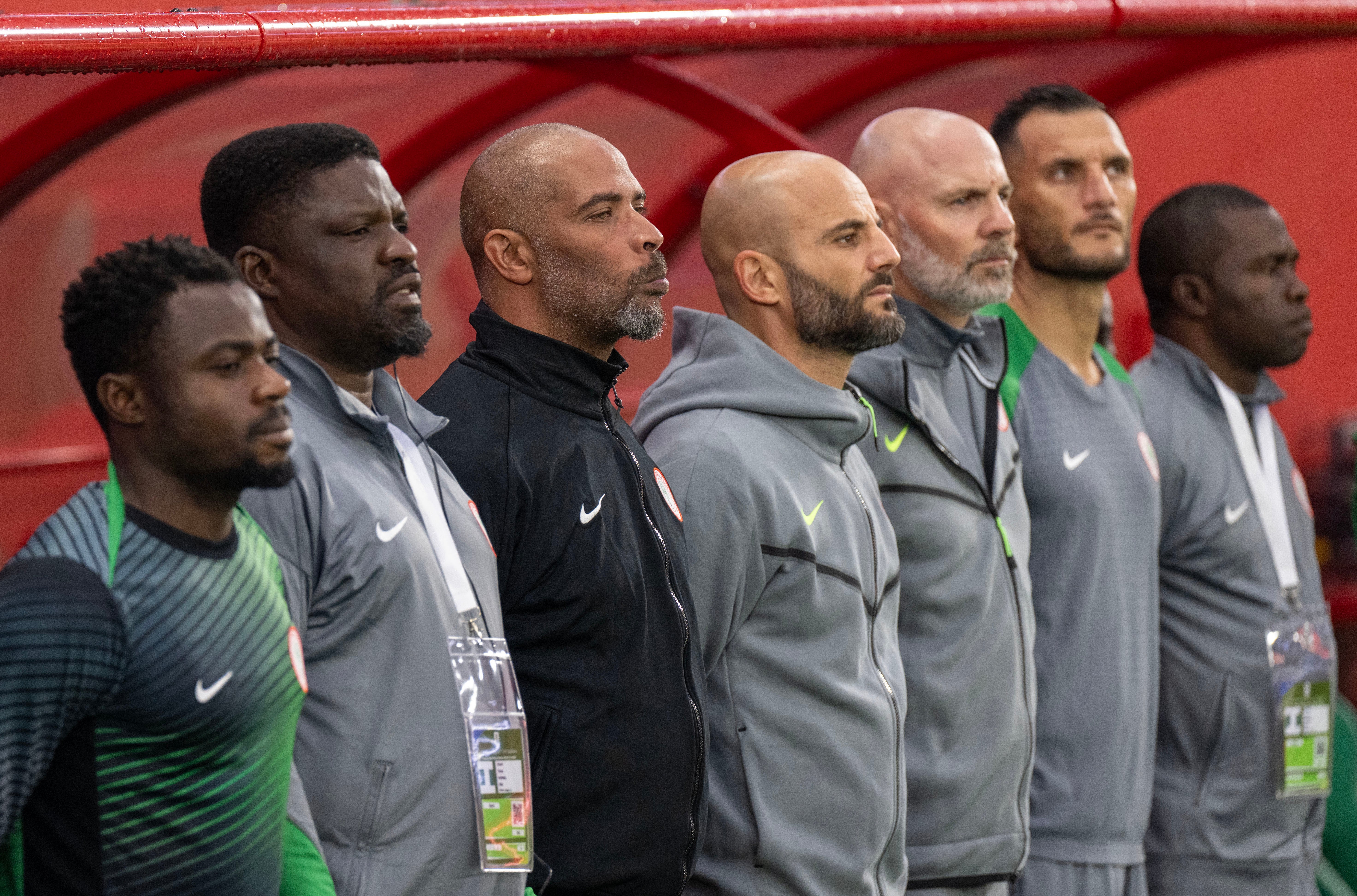 >
>
The match itself was a tense affair. DR Congo emerged victorious in a penalty shootout, denying Nigeria a second consecutive World Cup appearance. After DR Congo’s winning penalty, Chelle confronted the opposing team’s coaching staff, alleging that “the players of Congo did some voodoo.”
Yakubu’s response was blunt. He asserted that if voodoo truly held such power, an African nation would have clinched the World Cup long ago. Instead of congratulating DR Congo, Chelle, according to Yakubu, resorted to excuses that tarnish Nigeria’s reputation.
It’s hard to ignore the undercurrent of frustration in Yakubu’s statement. He criticizes Chelle’s behavior following the loss, describing it as a poor reflection on both the coach and the nation. He was quoted as saying that the Nigerian coach “is a shame to Nigeria, a coach coming out and saying it’s because of voodoo.” He then touched on the poor penalty kicks which he feels could be as a result of “pressure was too much for the players to deal with.”>
Missed penalties decided the match, with Calvin Bassey and Moses Simon failing to convert their spot-kicks. Semi Ajayi’s decisive penalty was then saved by DR Congo’s goalkeeper. Nigeria’s Frank Onyeka scored the opening goal but DR Congo retaliated after Wilfried Ndidi’s error.
DR Congo has World Cup experience dating back to 1974 when the country was Zaire. Their victory puts them in contention for the inter-continental playoffs.
These events prompt questions: Is Chelle’s claim a genuine belief, or a convenient excuse to deflect criticism? Is it a reflection of the intense pressure faced by coaches in high-stakes tournaments? Perhaps it’s a combination of both.
Having followed football for years, I’ve observed how readily people look for explanations beyond the purely tactical or athletic. Superstition can offer a sense of control in a world where outcomes often feel random. It’s present in every sports culture.
Regardless of the truth behind the voodoo claims, the situation highlights a deeper issue: the pressure cooker environment of international football. The hopes of a nation rest on the shoulders of a few players and a coach. The stakes are incredibly high. When things go wrong, the search for scapegoats begins.
This incident serves as a reminder of the complexities inherent in sports, particularly in a global context. It’s about more than just wins and losses. It involves national pride, cultural beliefs, and the human tendency to seek explanations, even in the realm of the irrational.
One can’t help but wonder how this narrative will shape the perception of Nigerian football going forward. Will it fuel skepticism and criticism, or will it serve as a catalyst for introspection and improvement? Only time will tell.
It’s worth considering whether focusing on blaming outside forces detracts from addressing the real problems. Perhaps Nigeria’s energy should be directed towards developing talent, improving infrastructure, and fostering a more resilient team culture.

![[post_title]](https://samony.com.ng/wp-content/uploads/2025/12/1764586013_Why-KTM-would-be-wise-to-prepare-for-a-future-300x200.jpg?lm=692D7220 "KTM, Acosta, and MotoGP: Crossroads")
![[post_title]](https://samony.com.ng/wp-content/uploads/2025/12/These-great-Cyber-Monday-tech-deals-will-likely-be-gone-300x156.jpg?lm=692D700C "Deconstructing Cyber Monday Tech Deals")
![[post_title]](https://samony.com.ng/wp-content/uploads/2025/12/First-Lady-Urges-Nigerians-to-Fight-HIV-300x184.png?lm=692D6990 "Nigeria’s HIV/AIDS Fight: First Lady Urges Action Amid 2030 Eradication Goal")
![[post_title]](https://samony.com.ng/wp-content/uploads/2025/12/EU-warns-Trump-that-Ukraine-peace-plan-must-not-pardon-300x200.jpeg?lm=692D69CA "Ukraine Peace: Justice Versus Expediency")

![[post_title]](https://samony.com.ng/wp-content/uploads/2025/12/Buharis-ex-minister-Amaechi-rejects-VP-slot-insists-he-wants-to-1024x555.jpg?lm=692D741C "Amaechi for President in ’27? Inside His Risky Power Play")
![[post_title]](https://samony.com.ng/wp-content/uploads/2025/12/1764586013_Why-KTM-would-be-wise-to-prepare-for-a-future-1024x682.jpg?lm=692D7220 "KTM, Acosta, and MotoGP: Crossroads")
