![[post_title]](https://samony.com.ng/wp-content/uploads/2025/12/1764854990_Police-officers-attached-to-VIPs-now-wear-suits-to-bypass-1024x555.jpg?lm=69318CD1)
VIP Security in Nigeria: Suits, Scrutiny, and Presidential Directives
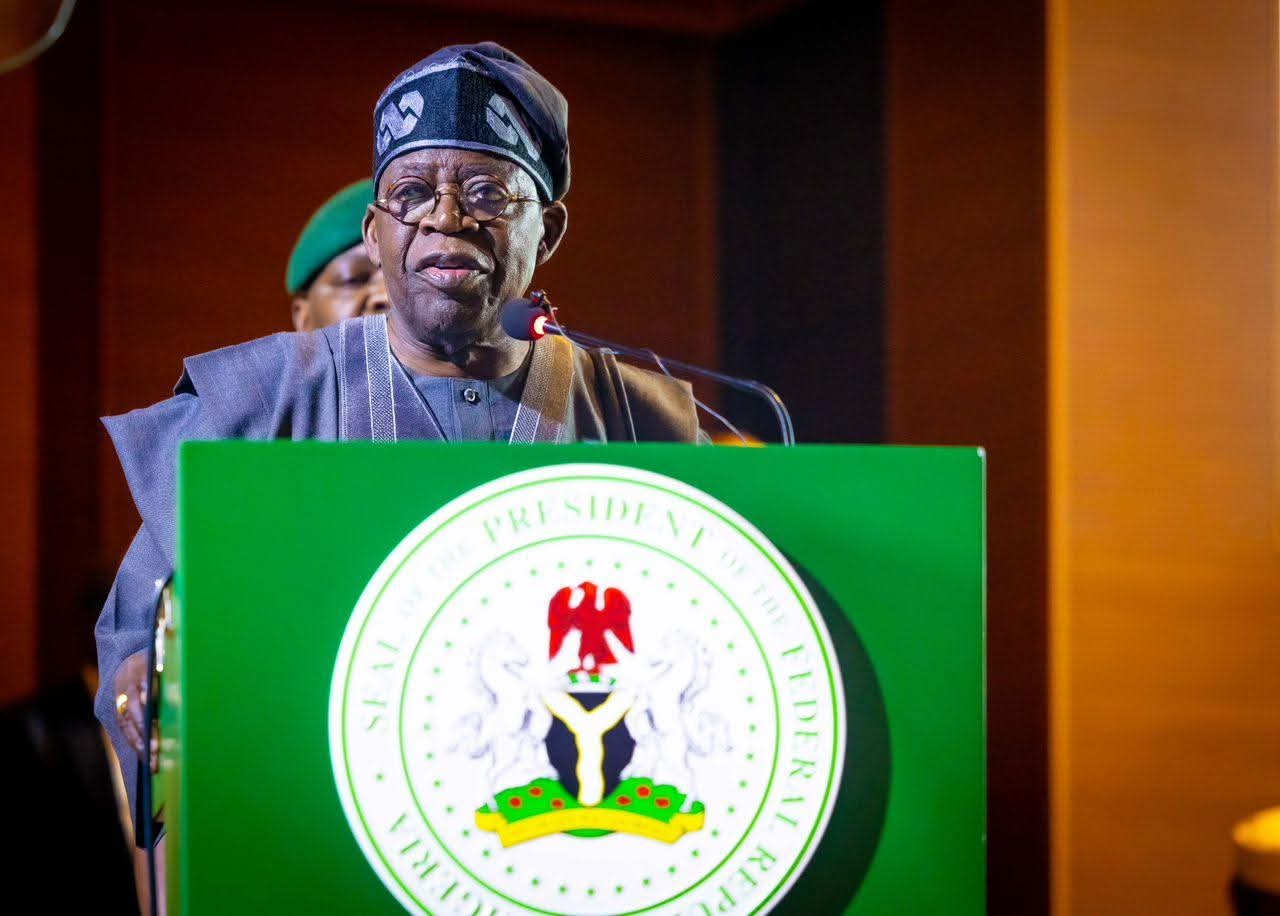
The recent directive from President Bola Tinubu, ordering the withdrawal of police personnel attached to VIPs, sparked a national conversation. The intent? To redistribute resources and arguably diminish the perception of preferential treatment. The initial reaction was largely positive, viewed as a step toward a more equitable security landscape. Yet, familiar patterns of alleged circumvention soon surfaced.
A recent social media post claims that some VIPs are finding ways around this directive. The allegation: police officers are now escorting VIPs in suits instead of uniforms, seemingly an attempt to avoid drawing public attention. If this holds true, it shows how challenging it is to change deeply ingrained habits.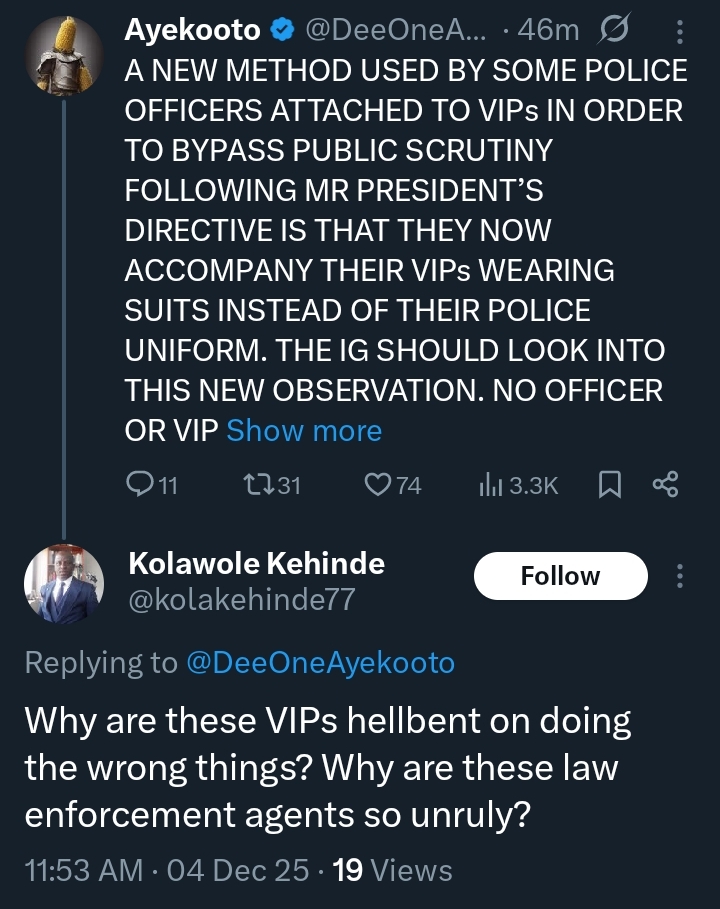 >
>
This situation isn’t entirely new. Similar attempts to reform security protocols have faced resistance in the past. It highlights a potential disconnect between policy intentions and practical implementation. Are VIPs deliberately flouting the rules, or is there a lack of clarity in enforcement? Perhaps both contribute to the issue.
Looking at the online reactions, Nigerians are, understandably, quite vocal. Some suggest the police officers are incentivized to remain with VIPs, citing benefits like accommodation, food, and financial perks. Others criticize the perceived impunity of VIPs and the seeming inability of the Inspector General of Police (IG) to enforce the President’s order effectively. One person pointed out the lack of comprehensive data regarding the number of police officers attached to VIPs, raising questions about how effectively this directive can be implemented and measured.
It’s worth considering the potential reasons behind VIPs wanting to retain police protection. Are they genuinely concerned about their security, or is it more about status and privilege? The perception of insecurity in Nigeria is a factor, of course. The wealthy often feel more vulnerable, potentially justifying their desire for additional security. Still, it’s difficult to ignore the optics.>
The shift to civilian attire raises several concerns. One is accountability. How can the public easily identify law enforcement officers if they’re not in uniform? This could hinder transparency and oversight. Another is the message it sends. Are these officers effectively hiding? Are they even authorized to perform their duties if not clearly identifiable as law enforcement? It’s a tricky area.
The IG’s role in all this is critical. Does the IG have the authority and backing to enforce the President’s directive fully? Are there internal challenges within the police force that hamper its effectiveness? Some comments online suggest a lack of confidence in the IG’s ability to control the police force, referencing past instances of alleged police misconduct and the perceived slow response to address these issues.
This episode underscores the broader issues around policing and inequality in Nigeria. True reform goes beyond simply reassigning personnel. It demands a change in mindset, a commitment to equitable resource allocation, and a system of accountability that applies to everyone, regardless of status. It also calls for a clear communication strategy to ensure that the public is aware of the changes and their rights in interacting with law enforcement.
Going forward, increased transparency is key. Publishing data on police deployments, establishing clear guidelines for VIP security, and ensuring swift and decisive action against those who flout the rules would signal a genuine commitment to change. Citizen oversight mechanisms could also play a role in monitoring compliance and holding both VIPs and police officers accountable.
This situation requires careful management. On one hand, it’s important to address potential abuses of power and ensure equitable resource allocation. Yet, it’s also crucial to consider the legitimate security concerns of all citizens, including VIPs. Striking that balance is where effective leadership and policy come into play. The shift in police uniforms is a small issue compared to the deeper issues around law enforcement equity in Nigeria. Ultimately, a lasting solution requires addressing the underlying factors that drive the demand for VIP protection in the first place. A safer society for everyone is the true end game.



![[post_title]](https://samony.com.ng/wp-content/uploads/2025/12/Faroe-Islands-faces-Russian-retaliation-over-sanctions-related-to-alleged-300x200.jpeg?lm=6931855D "Faroe Islands Fishing Rights: A Risky Stand Against Russia")
![[post_title]](https://samony.com.ng/wp-content/uploads/2025/12/Awaziem-Targets-AFCON-Glory-After-World-Cup-Heartbreak.jpg?lm=69318599 "Can Awaziem’s World Cup Snub Fuel a Super Eagles AFCON Comeback?")
![[post_title]](https://samony.com.ng/wp-content/uploads/2025/12/1764853312_Why-Beatles-legend-Ringo-Starr-is-so-happy-that-the-300x158.jpg?lm=69318643 "Are the Beatles’ Remasters a Revelation or a Betrayal? Hear the Difference Yourself.")