

Analyzing the Onanuga-Obi Spat: Foreign Intervention, Political Rhetoric, and Nigeria’s Security Concerns
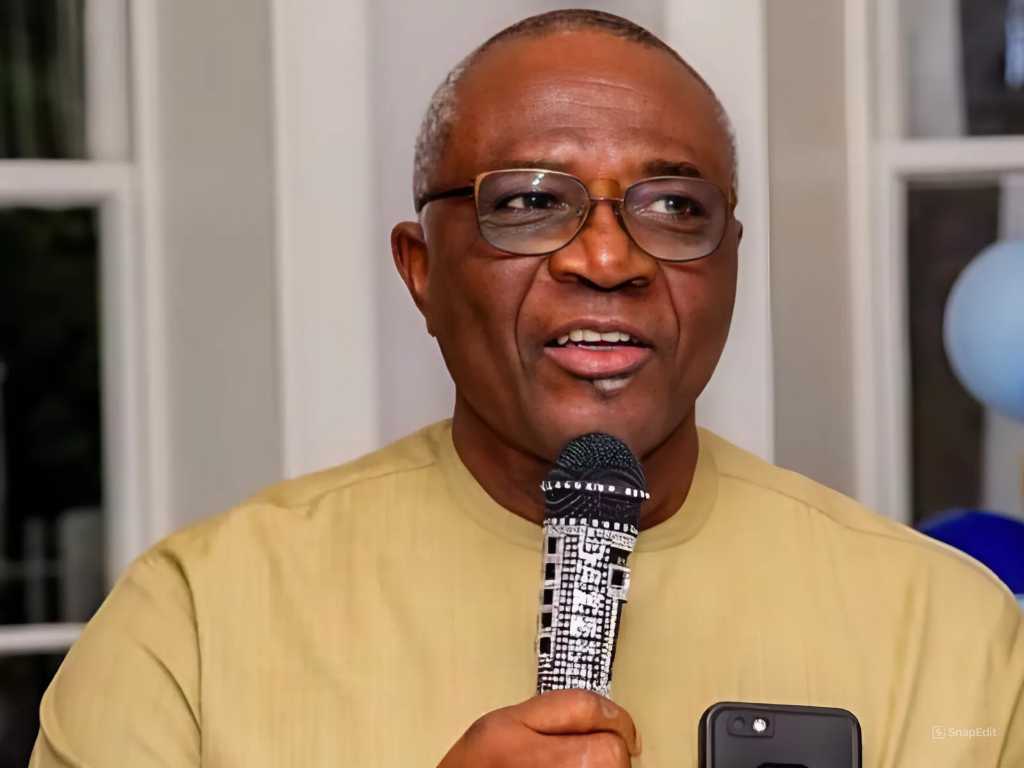
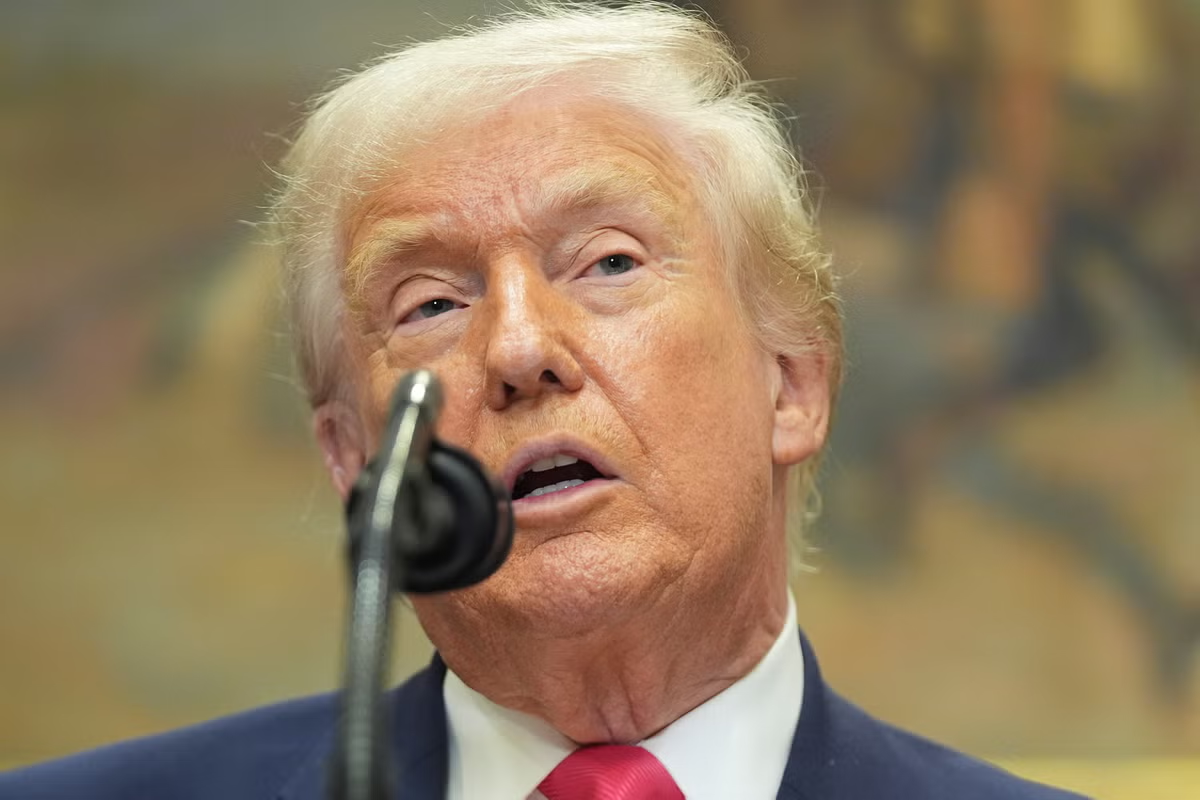
The recent back-and-forth between Bayo Onanuga, a presidential aide, and Peter Obi, a former presidential candidate, raises crucial questions about Nigeria’s approach to insecurity and the role of international assistance. The spark? Donald Trump’s comments about potential military intervention regarding alleged Christian persecution in Nigeria. Obi’s response, seemingly open to external assistance, drew sharp criticism from Onanuga. This incident provides a lens through which we can view the complexities of Nigerian politics and national sovereignty.
Onanuga’s condemnation of Obi’s position as supportive of a “foreign invasion” is strong, to say the least. It reveals a deep sensitivity surrounding national sovereignty and a reluctance to cede any control to outside actors, even in matters of security. The phrase, “We shall never forget and forgive,” isn’t merely political rhetoric; it signifies a deeper ideological stance. One can infer a sense of betrayal, a belief that Obi has crossed a line by seemingly welcoming foreign intervention. >
>
But let’s consider Obi’s perspective. Nigeria faces significant security challenges, from Boko Haram insurgency in the Northeast to banditry and kidnapping in other regions. The military is stretched thin, and past efforts haven’t yielded the desired results. Seen in that light, Obi’s openness to external assistance could be interpreted as a pragmatic approach. It acknowledges the severity of the crisis and signals a willingness to explore all possible solutions, regardless of their origin.
Still, the potential pitfalls of foreign intervention are plentiful. History is littered with examples of interventions that exacerbated existing problems or created new ones. There’s the risk of a neocolonial dynamic, where foreign powers use security assistance to exert undue influence on Nigerian affairs. It’s a tightrope walk, balancing the need for help with the imperative of maintaining national autonomy.
It’s worth noting that this isn’t the first time the issue of foreign intervention has surfaced in Nigerian discourse. The country’s history is intertwined with colonial legacies, and there’s a lingering skepticism towards external actors, particularly those with a history of interventionism. This historical context informs Onanuga’s reaction and resonates with a segment of the Nigerian population wary of foreign influence.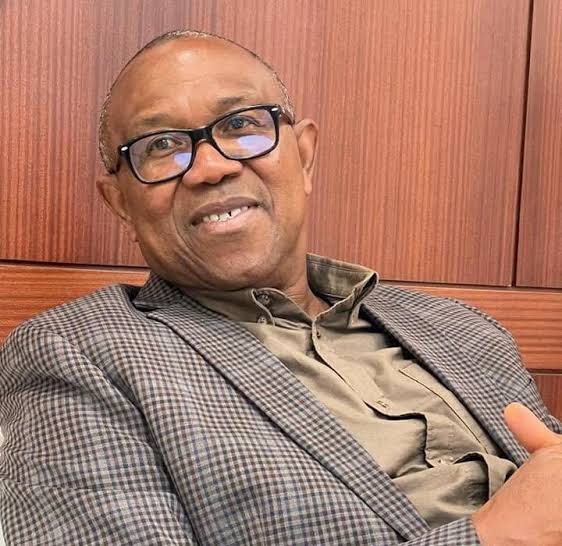 >
>
The timing of this exchange is also interesting. Nigeria’s political landscape remains tense following recent elections. Accusations of rigging and challenges to the results continue to fuel divisions. In this environment, any statement perceived as undermining national unity or sovereignty is bound to draw intense scrutiny. This could explain the heightened emotions surrounding Onanuga’s response.
One must also consider the messenger. Onanuga, as a presidential aide, speaks with the authority of the government. His words carry weight and signal the administration’s stance on the matter. The strong condemnation suggests a firm rejection of any suggestion that Nigeria is incapable of handling its security challenges without foreign military intervention.
Now, while self-reliance and national pride are virtues, we must also be realistic about the capabilities and limitations of the Nigerian state. Pretending that there isn’t a crisis or that the current strategies are sufficient is a disservice to the citizens who are directly affected by insecurity. A balanced approach requires a willingness to explore all options while safeguarding national interests.
The debate around foreign intervention often boils down to trust. Do Nigerians trust their government to effectively address the security challenges? Do they trust foreign powers to act in Nigeria’s best interests? The answers to these questions are complex and varied, reflecting the diverse perspectives and experiences within the country.
Perhaps the most productive way forward involves strengthening Nigeria’s own security apparatus. This includes investing in training, equipment, and intelligence gathering. It also means addressing the underlying socio-economic factors that contribute to insecurity, such as poverty, unemployment, and inequality. After all, lasting peace and security come not from foreign intervention but from within. It is crucial to foster good governance, transparency, and accountability.
This challenge demands innovative solutions. Thinking outside the box means engaging in open and honest conversations about the best way to protect Nigerian lives and property, and being receptive to new ideas, no matter how unconventional. It requires visionary leadership, capable of navigating the complexities of the moment while keeping long-term national interests front and center.
In any case, this exchange underscores the fragility of Nigeria’s political landscape and the complexities of addressing its security challenges. It also highlights the need for nuanced dialogue, one that acknowledges both the dangers of foreign intervention and the urgency of finding effective solutions to protect its citizens. Navigating this tightrope will require wisdom, courage, and a deep commitment to the well-being of all Nigerians. The way forward is not to shut down conversation, but to welcome open discussion that charts a course to lasting peace.

![[post_title]](https://samony.com.ng/wp-content/uploads/2025/12/1764786928_Canada-puts-new-restrictions-on-pistachios-from-Iran-amid-salmonella-300x158.jpg?lm=693082F3 "Canada Imposes Tighter Controls on Iranian Pistachios Due to Salmonella Outbreak")

![[post_title]](https://samony.com.ng/wp-content/uploads/2025/12/1764786558_Singer-Peter-Okoye-opens-up-on-greatest-fear-in-life-300x183.jpeg?lm=69308181 "Mr. P’s biggest fear isn’t what you think, and it’s surprisingly relatable")

![[post_title]](https://samony.com.ng/wp-content/uploads/2025/12/1764789509_Triunfo-descomunal-del-Barca-en-un-Spotify-Camp-Nou-colosal-1024x576.jpeg?lm=69308D08 "Football’s Fluidity: Barcelona vs Atletico")
![[post_title]](https://samony.com.ng/wp-content/uploads/2025/12/1764789516_You-came-out-of-nowhere-Lady-shares-encounter-with-2baba-1024x535.jpg?lm=69308D10 "Navigating Fame, Love, and Loyalty: Hard Truths from a Life Inside Celebrity Relationships")
![[post_title]](https://samony.com.ng/wp-content/uploads/2025/12/1764786928_Canada-puts-new-restrictions-on-pistachios-from-Iran-amid-salmonella.jpg?lm=693082F2 "Canada Imposes Tighter Controls on Iranian Pistachios Due to Salmonella Outbreak")
