Nigeria’s Safe School Initiative: A Critical Look at Funding and Implementation Amidst Ongoing Kidnappings
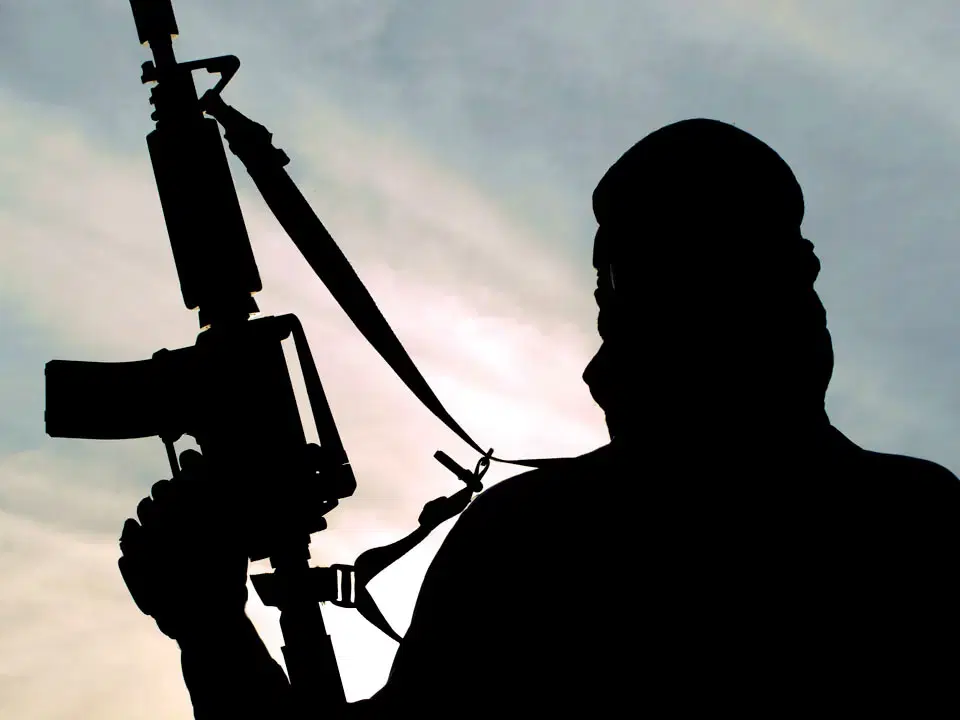
Eleven years after its inception, Nigeria’s Safe School Initiative (SSI) is back under scrutiny. Recent events, notably the abduction of students from Government Girls’ Comprehensive Secondary School Maga, Kebbi State, forced the Senate to reconsider the program’s effectiveness. A deeper look reveals a complex situation, where allocated funds don’t seem to match the reality on the ground.
The SSI came about as a response to the 2014 Chibok abductions. Envisioned as a multi-faceted approach, it involved school-based interventions, community protection, and special measures for high-risk institutions. Former UK Prime Minister Gordon Brown, then a UN Special Envoy, played a key role in its launch. Yet, the recent surge in kidnappings raises serious questions about its impact.
The Federal Government has, at various times, announced significant financial commitments to the SSI. A touted N122 billion allocation, meant to span three years, aimed to create safe and inclusive schools. The Minister for Women Affairs stated as much, emphasizing its role in safeguarding learning environments. Before that, in 2022, plans were underway to launch a National Safe School Plan. The stated goal was clear: to allow children to return to learning in secure environments. But that’s not what we are seeing, is it?
It’s worth noting that the government launched a National Plan on Financing Safe Schools 2023-2026, with a total investment of N144.8 billion. This plan supposedly aimed to reduce out-of-school children and improve Nigeria’s Human Capital Index. Reports suggest a significant number of schools have been registered on a central monitoring platform. The breakdown of funding involved federal, state, and local governments, intervention agencies, foreign governments, and private donors. Sounds impressive, right?
However, the Senate’s decision to launch a full investigation exposes the dissonance between planned investment and tangible results. The probe will focus on how the funds were spent, amid the continued vulnerability of schools. Senator Yahaya Abdullahi’s motion, spurred by the Kebbi abduction, triggered a broader discussion about the initiative’s shortcomings.
Senator Ahmad Lawan pointedly asked about the fate of the SSI, recalling its initial promise and the UN’s early involvement. He suggested that despite significant investments in the security sector, the desired outcomes were lacking. His call for better value for money and potential alternatives speaks to a growing frustration. It also begs the question: Is it truly about the money? Or how that money is used?
Senator Adams Oshiomhole was even more critical, accusing some of turning national security into a business. He demanded answers regarding the whereabouts of the Safe School funds. He urged a Senate-led probe and called for enhanced technological capacity for security agencies, pushing for the use of technology to track criminals. All completely valid observations, in my view.
The lack of transparency surrounding the SSI’s implementation is concerning. While reports detail funding allocations and strategic plans, there’s a noticeable absence of concrete evidence demonstrating the program’s effectiveness in preventing attacks. This information gap fuels skepticism about whether the funds are being used efficiently and accountably.
From my own experience observing similar initiatives, these programs often suffer from a disconnect between policy and reality. Good intentions can be easily undermined by corruption, bureaucratic bottlenecks, or a failure to properly assess and address the specific needs of individual schools and communities. It’s not enough to simply throw money at the problem; a comprehensive and adaptive strategy is essential.
The truth is, security is a complex issue. It requires a multi-pronged approach that involves not only government agencies but also local communities, religious leaders, and civil society organizations. Building trust and fostering collaboration are crucial for gathering intelligence, preventing attacks, and ensuring the safety of students and educators.
This challenge Nigeria faces isn’t unique. Many nations grapple with similar security concerns. The key lies in learning from past mistakes, adapting strategies to local contexts, and prioritizing transparency and accountability. The Senate’s investigation offers an opportunity to shed light on the Safe School Initiative’s shortcomings and to chart a more effective course for protecting Nigeria’s educational institutions.
Still, the investigation must be thorough and impartial. It needs to look beyond the headlines and delve into the systemic issues that hinder the program’s success. Only then can Nigeria truly create safe and inclusive learning environments for all its children. It is a race against time to achieve that goal.
Keywords:

![[post_title]](https://samony.com.ng/wp-content/uploads/2025/11/Un-debut-de-semaine-nuageux-avec-des-pluies-annoncees-a-300x188.jpg?lm=692CAA06 "Lyon’s Damp December: Examining Predictability in Weather Forecasting Trends")

![[post_title]](https://samony.com.ng/wp-content/uploads/2025/11/BREAKING-I-Saw-The-Aircraft-Of-President-Trump-Land-Somewhere-300x148.jpeg?lm=692CA36E "Bakare’s Vision: Trump, Nigeria’s Tech, and Geopolitics")
![[post_title]](https://samony.com.ng/wp-content/uploads/2025/11/1764533386_Emmerdale-star-couldnt-even-tell-his-wife-Lisa-Riley-was-300x158.jpg?lm=692CA48D "Emmerdale’s Lisa Riley: Jungle Gamble and Reality TV Game")
![[post_title]](https://samony.com.ng/wp-content/uploads/2025/11/My-favorite-snore-blocking-sleepbuds-are-down-to-their-lowest-price.webp-300x156.webp?lm=692CA136 "Sleep Tech Evolves: Are Anker’s Sleep Earbuds a Dream Come True?")


![[post_title]](https://samony.com.ng/wp-content/uploads/2025/11/Avoid-flamboyant-lifestyles-NYSC-DG-to-corps-members-1024x683.jpg?lm=692CAAF7 "Beyond Prudence: Building NYSC Financial Security Through Real-World Skills")
![[post_title]](https://samony.com.ng/wp-content/uploads/2025/11/Un-debut-de-semaine-nuageux-avec-des-pluies-annoncees-a-1024x640.jpg?lm=692CAA06 "Lyon’s Damp December: Examining Predictability in Weather Forecasting Trends")