![[post_title]](https://samony.com.ng/wp-content/uploads/2025/11/1764451923_Tinubu-Nominates-Omokri-Fani-Kayode-Ugwuanyi-Mahmood-Yakubu-28-Others-As.png?lm=692B6655)
Tinubu’s Ambassadorial Nominees: A Critical Look at the Industry Developments
President Tinubu’s recent list of ambassadorial nominees has tongues wagging, and understandably so. The mix of career diplomats and political figures, including names like Omokri, Fani-Kayode, Ugwuanyi, and even Yakubu, stirs a pot of questions about the direction of Nigeria’s foreign policy. It prompts us to consider what priorities truly drive these selections and how they might reshape our international relationships.
The inclusion of seasoned politicians alongside career diplomats is a recurring theme in Nigerian politics. It’s a way to reward loyalty, perhaps, or to ensure political buy-in on key foreign policy initiatives. Yet, this approach has always created friction. Seasoned professionals often find themselves sidelined, their expertise undervalued in favor of political expediency. Is this happening again? It remains to be seen how this blend of experience and political capital will play out on the global stage.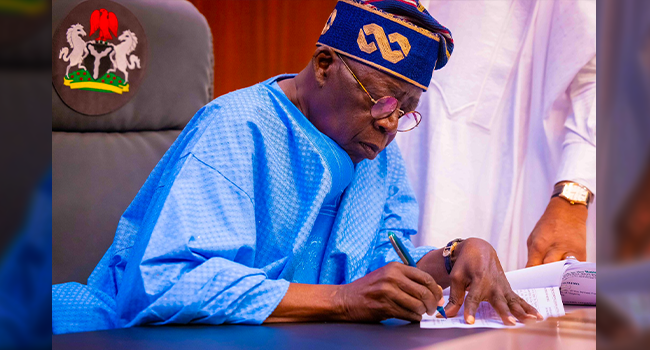 >
>
It’s worth noting that the list contains both career diplomats and political appointees. Each group brings a unique set of skills and perspectives. A career diplomat offers institutional knowledge, established networks, and a deep understanding of protocol. Conversely, a political appointee might possess stronger ties to the current administration, potentially facilitating quicker access and influence. The crucial task is to find the right balance, ensuring that both groups work cohesively to advance Nigeria’s interests.
Consider Mahmood Yakubu’s nomination. His tenure as INEC chairman was marked by both successes and controversies. His experience in managing complex elections could be an asset in certain diplomatic roles, particularly those involving international observation or democratic governance. Still, his appointment raises questions about the message it sends regarding electoral accountability and the separation of powers.
The selection of individuals with strong political affiliations also warrants close examination. Figures like Fani-Kayode and Omokri are known for their fervent opinions and outspoken personalities. While their passion and communication skills could be beneficial in certain contexts, their controversial pasts might also create diplomatic challenges. It will be important to see how they navigate the complexities of international relations and represent Nigeria’s interests with professionalism and tact.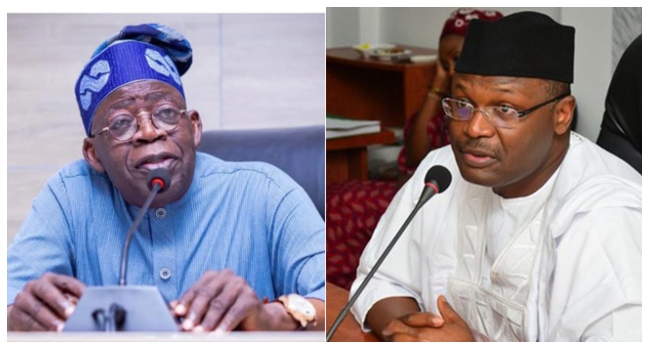 >
>
The geographical distribution of the nominees also matters. Are all regions adequately represented? Does the list reflect Nigeria’s commitment to inclusivity and national unity? These are important questions to ask, as they can impact the perceived legitimacy and effectiveness of Nigeria’s diplomatic corps.
This challenge of balancing political considerations with professional competence is not unique to Nigeria. Many countries grapple with this tension when appointing ambassadors. The United States, for instance, often appoints political donors and allies to ambassadorships, a practice that has drawn criticism. The key is transparency and accountability. The public deserves to know the criteria used for selecting ambassadors and how these individuals are expected to contribute to Nigeria’s foreign policy goals.
Looking ahead, the Senate’s role in confirming these nominations is crucial. Senators must rigorously vet each nominee, scrutinizing their qualifications, experience, and potential conflicts of interest. This process should be conducted with utmost transparency, allowing for public input and ensuring that only the most qualified individuals are entrusted with representing Nigeria abroad.
In any case, this ambassadorial shakeup reflects the current administration’s vision for Nigeria’s role in the world. It suggests a desire to leverage political connections and reward loyalty, but it also carries the risk of undermining the professionalism and expertise of the diplomatic corps. It’s a familiar pattern. How it ultimately shapes Nigeria’s foreign policy remains to be seen. It’s up to the appointees to rise to the occasion and demonstrate that they can effectively represent Nigeria’s interests, regardless of their backgrounds. Only time will tell if this approach will strengthen Nigeria’s diplomatic standing or create new challenges on the international stage.
The success of these appointments hinges on the appointees’ ability to adapt to the nuances of diplomacy. Strong communication skills, cultural sensitivity, and a deep understanding of international relations are essential. The appointees must also be able to build relationships with foreign leaders and navigate complex political landscapes. These are skills that can be honed through training and experience, but they also require a certain level of innate aptitude and adaptability.
One hopes that the newly appointed ambassadors will prioritize Nigeria’s national interests above all else. This means promoting trade and investment, fostering cultural exchange, and advocating for Nigeria’s position on key global issues. It also means upholding the values of democracy, human rights, and the rule of law. Nigeria has a vital role to play in shaping the future of Africa and the world, and its ambassadors must be effective advocates for its vision.

![[post_title]](https://samony.com.ng/wp-content/uploads/2025/11/1764451923_Tinubu-Nominates-Omokri-Fani-Kayode-Ugwuanyi-Mahmood-Yakubu-28-Others-As-300x162.png?lm=692B6656 "Nigeria’s Foreign Policy Crossroads: Balancing Politics and Professionalism in Ambassadorial Appointments")

![[post_title]](https://samony.com.ng/wp-content/uploads/2025/11/Burna-Boy-mum-as-show-cancellation-continues-after-action-towards-300x300.jpg?lm=692B635E "Afrobeats’ Crossroads: Burna Boy’s Silence and the Price of Global Fame")
![[post_title]](https://samony.com.ng/wp-content/uploads/2025/11/Resident-doctors-suspend-29-day-nationwide-strike-300x180.jpg?lm=692B6129 "Nigeria’s Doctor Strikes: Treating Symptoms, Ignoring the Disease?")

![[post_title]](https://samony.com.ng/wp-content/uploads/2025/11/1764449973_Wham-bam-Chaos-as-Tottenham-booed-after-conceding-twice-in-300x200.jpeg?lm=692B5EB8 "Premier League Keepers: Is the Pressure Cooker About to Explode?")