


Nigeria’s Football Crisis: Is Neglecting Youth Development the Fatal Flaw?
Kenneth Omeruo’s recent comments on the state of Nigerian football resonate. He points a finger squarely at the lack of youth development, suggesting it’s the root cause of the Super Eagles’ recent struggles. His assertion feels accurate, echoing concerns I’ve heard for years. Let’s examine what’s happening.
Omeruo doesn’t mince words: Nigeria’s failure to qualify for consecutive World Cups is a direct consequence of overlooking the pipeline of young talent. He rightly observes that successful national teams worldwide build upon a foundation of robust youth programs. This isn’t just about feel-good stories; it’s about a system that consistently produces players ready for the highest levels. >
>
He highlights a critical point. The national team shouldn’t be a last-minute collection of overseas-based players. There needs to be a blend, a synergy between experienced veterans and emerging talents nurtured within the Nigerian system. A pathway through the U-17, U-20, and U-23 levels is crucial for fostering a cohesive and competitive squad. This approach is how Nigeria achieved its past glories, from the Golden Eaglets’ triumphs to the Super Eagles’ golden era.
Yet, there’s complexity here. Simply throwing money at youth academies isn’t a guaranteed fix. What about the quality of coaching? What about the infrastructure? The pervasive corruption that plagues so many aspects of Nigerian life? These factors affect development too.
Still, Omeruo’s prescription is sound: revitalize grassroots scouting, rebuild youth academies, invest in coach education, and cultivate competitive environments. He’s not wrong; Nigeria teems with raw talent. However, without a structured developmental system, that potential remains just that – untapped potential.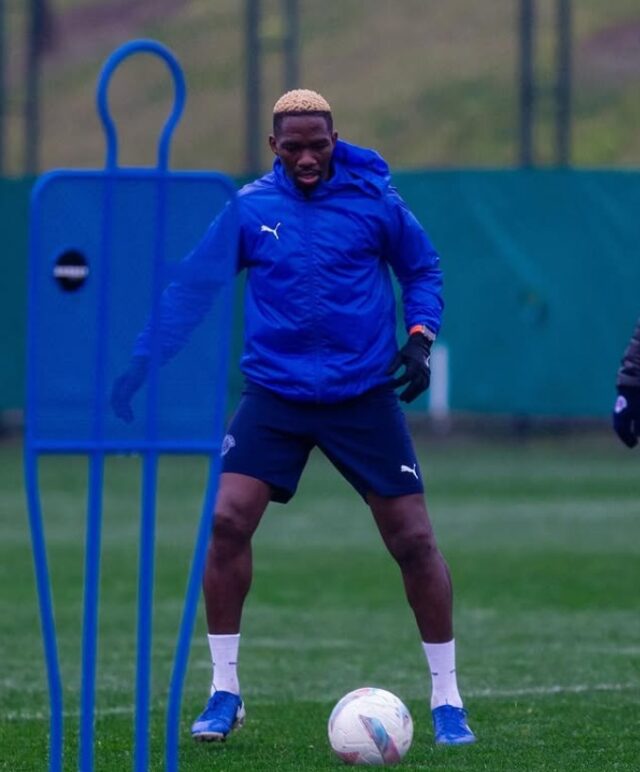 >
>
It’s worth noting that the Nigeria Football Federation (NFF) has often been criticized for short-term thinking, prioritizing immediate results over long-term investment. The quick-fix mentality – hiring and firing coaches, focusing on attracting foreign-based players – might offer temporary respite but ultimately undermines sustainable growth. This is a pattern I’ve observed in various industries: chasing fleeting trends instead of building a solid foundation.
Omeruo’s warning is a stark reminder that rebuilding Nigerian football demands long-term vision and commitment. It necessitates a fundamental shift in mindset, one that prioritizes nurturing young talent over seeking instant gratification.
The challenge is creating a system that works despite the systemic problems. How can we shield youth development from corruption? How can we ensure that talented players from underprivileged backgrounds have access to opportunities?
That’s what the NFF needs to consider if it wants to get serious.
To that end, several steps could be taken to improve the youth development structure:
Establish Regional Academies: Create academies in each of Nigeria’s geopolitical zones, ensuring talent is identified and nurtured across the country. Implement a Standardized Curriculum: Develop a national coaching curriculum focused on modern football techniques and tactical awareness. Invest in Coach Training: Provide continuous training and certification programs for coaches at all levels, ensuring they possess the necessary skills to develop young players. Organize Competitive Youth Leagues: Establish well-structured and competitive leagues for U-15, U-17, and U-20 teams, providing young players with regular playing opportunities. Scouting Networks: Expand scouting networks to reach remote areas and identify hidden talents. Partnerships with Foreign Clubs: Forge partnerships with reputable foreign clubs to provide opportunities for young Nigerian players to train and develop in world-class environments. Government Support: Secure government funding and support for youth football development initiatives. Transparency and Accountability: Ensure transparency and accountability in the management of youth development programs, minimizing corruption and mismanagement.
Given these facts, Omeruo’s call is a plea for a fundamental change in direction. Prioritize youth development, he insists, or accept mediocrity. It’s a harsh but accurate assessment. The future of Nigerian football hinges on it. His experience, both within Nigeria and internationally, lends weight to his words. This isn’t just idle chatter; it’s a seasoned professional offering a diagnosis based on firsthand observation.
Yet, whether the NFF is willing or able to heed this warning remains to be seen. Past performance isn’t encouraging. But perhaps, with enough pressure and a genuine commitment from key stakeholders, Nigerian football can finally embrace the long-term strategy it desperately needs.

![[post_title]](https://samony.com.ng/wp-content/uploads/2025/12/Nigeria-Approves-Fiscal-Plan-Proposing-N545trn-2026-Budget-300x169.jpg?lm=69323047 "Nigeria’s N54.5 Trillion Budget: Ambition vs. Reality")
![[post_title]](https://samony.com.ng/wp-content/uploads/2025/12/Groups-to-Tinubu-Disregard-lawmakers-call-for-Ribadus-sack-300x169.png?lm=69323086 "Ribadu’s Job on the Line? What Nigeria’s NSA Debate Really Means")

![[post_title]](https://samony.com.ng/wp-content/uploads/2025/12/President-Tinubu-Swears-In-Christopher-Danjuma-As-Minister-of-Defence-225x300.jpg?lm=69323184 "From Barracks to Boardroom: Can Danjuma Bridge Nigeria’s Security Divide?")
![[post_title]](https://samony.com.ng/wp-content/uploads/2025/12/1764897203_Manchester-United-fans-boo-as-West-Ham-steal-away-vital-300x209.jpeg?lm=693231B6 "Manchester United’s Season of Frustration")
![[post_title]](https://samony.com.ng/wp-content/uploads/2025/12/Apple-announces-even-more-major-executive-turnover-300x156.jpg?lm=69322D9B "Apple’s Big Leadership Shakeup: What’s Really Going On With Environment and Policy?")

![[post_title]](https://samony.com.ng/wp-content/uploads/2025/12/Warriors-vs-76ers-live-online-score-stats-updates-1024x576.jpg?lm=6932376D "Warriors Face Sixers Test of Depth Amid Curry’s Absence")
![[post_title]](https://samony.com.ng/wp-content/uploads/2025/12/1764896764_Hegseth-orders-new-strike-that-kills-4-on-alleged-drug-1024x683.jpg?lm=69323002 "U.S. Military Strikes: Escalation, Ethics, and Accountability")
![[post_title]](https://samony.com.ng/wp-content/uploads/2025/12/Nigeria-Approves-Fiscal-Plan-Proposing-N545trn-2026-Budget-1024x575.jpg?lm=69323047 "Nigeria’s N54.5 Trillion Budget: Ambition vs. Reality")
![[post_title]](https://samony.com.ng/wp-content/uploads/2025/12/Groups-to-Tinubu-Disregard-lawmakers-call-for-Ribadus-sack-1024x576.png?lm=69323086 "Ribadu’s Job on the Line? What Nigeria’s NSA Debate Really Means")
