

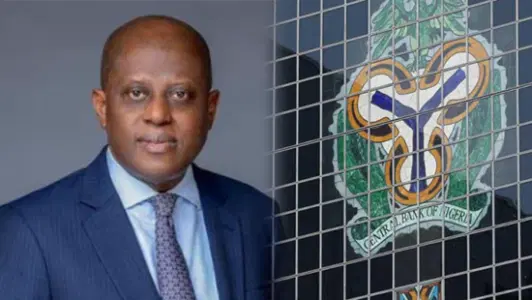
Nigeria’s removal from the FATF grey list spurred immediate, positive market reactions. The naira appreciated to a 10-month high, and foreign reserves climbed past $43 billion. Dollar holders, sensing a shift, reportedly began offloading their positions. It seems the CBN’s market reforms are finally gaining traction, fostering optimism and drawing investment.
The exit from the “dirty money” list, as it’s sometimes known, unlocks opportunities. Think easier business expansion and smoother international payments for Nigerian companies. Bank customers might soon find it simpler to open foreign accounts, a persistent headache in the past. This newfound trust could, in turn, strengthen the naira’s position in global markets.
The local currency’s gains are noteworthy, appreciating significantly against the dollar in both official and parallel markets. Increased market liquidity and renewed economic optimism seemingly play key roles. These factors appear to be fueling capital inflows and bolstering external reserves.
The President of the Association of Bureaux De Change Operators of Nigeria (ABCON), Dr. Aminu Gwadabe, believes the FATF announcement has noticeably calmed the market and built confidence. This perception directly translates to the naira’s strengthening against the dollar.
CBN Governor Olayemi Cardoso hailed the FATF’s decision as proof of Nigeria’s reform efforts and the integrity of its financial system. The focus now, as Cardoso suggests, should be on solidifying these achievements and fostering a culture of compliance and innovation.
Still, it’s important to keep things in perspective. Other nations, including South Africa, Mozambique, and Burkina Faso, also exited the grey list. This suggests a broader trend of improved AML/CFT compliance globally. The FATF actively reviews and identifies countries with shortcomings, urging them to address strategic deficiencies related to money laundering and terrorist financing.
The CBN’s forex reforms, spearheaded by Cardoso, appear to be yielding tangible results, curtailing forex speculation and narrowing the gap between official and parallel market rates. Stabilizing the naira remains a priority, achieved through boosting FX supply, minimizing market distortions, and managing foreign reserves effectively.
Beyond the central bank’s actions, increased foreign portfolio investment, substantial contributions from International Oil Companies (IOCs), and targeted CBN interventions contribute to naira stability. Improved market confidence and a more streamlined FX framework further fuel renewed interest from foreign investors.
Of course, challenges linger. Some experts caution that sustaining this positive trajectory hinges on maintaining macroeconomic discipline, boosting crude oil production, and diversifying export earnings. These areas demand continued focus.
Cardoso’s reforms aimed at rebuilding Nigeria’s economic defenses and strengthening resilience. A key step was unifying the exchange rate to eliminate distortions and increase transparency. This move facilitated clearing outstanding foreign exchange obligations, boosting business confidence and investment prospects.
Ultimately, the success of these reforms relies on upholding integrity, fairness, transparency, and efficiency in the financial system. The recently launched Nigeria Foreign Exchange Code (FX Code), built on core principles such as ethics, governance, and risk management, aims to set enforceable standards for ethical conduct and good governance in the FX market. As Cardoso stated plainly, opaque practices are over.
Keywords: Nigeria FATF grey list, Naira appreciation, CBN forex reforms, Foreign investment Nigeria, Nigeria economic outlook, Nigeria financial system, Forex market Nigeria, Olayemi Cardoso reforms

![[post_title]](https://samony.com.ng/wp-content/uploads/2025/12/CAF-Releases-List-Of-Banned-Items-Ahead-Of-AFCON-2025.png?lm=69404E86 "Content Mismatch: AFCON 2025 Title with Google Analytics Data Provided")
![[post_title]](https://samony.com.ng/wp-content/uploads/2025/12/It-ended-in-praise-Blessing-CEO-celebrates-as-IVD-300x150.jpg?lm=69404EBE "IVD Acquitted in Wife’s Death Case, Blessing CEO Celebrates")

![[post_title]](https://samony.com.ng/wp-content/uploads/2025/12/1765821156_The-FA-has-one-move-to-show-its-not-spineless-300x200.jpg?lm=69404AE7 "FA Faces World Cup Ticket Crisis: Action Needed on Sky-High Prices")
![[post_title]](https://samony.com.ng/wp-content/uploads/2025/12/1765821185_Manchester-United-v-Bournemouth-live-Premier-League-team-news-and-300x200.jpg?lm=69404B03 "Man Utd Hosts Bournemouth: Form Contrasts, Old Trafford History")




![[post_title]](https://samony.com.ng/wp-content/uploads/2025/12/It-ended-in-praise-Blessing-CEO-celebrates-as-IVD-1024x512.jpg?lm=69404EBE "IVD Acquitted in Wife’s Death Case, Blessing CEO Celebrates")
