

Decoding Nigeria’s Economic Puzzle: Insecurity, Productivity, and the Path Forward
Nigeria’s economic landscape is a complex tapestry, woven with threads of progress and persistent challenges. News headlines tout GDP growth and macroeconomic improvements. Yet, the lived experience of many Nigerians paints a different picture: high food inflation, widespread poverty, and a relentless cost of living crisis. It’s a story that demands a closer inspection.
Segun Adeleye, President/CEO of World Stage Limited, recently highlighted a critical impediment to Nigeria’s economic advancement: insecurity. His call to action underscores a truth often glossed over in economic reports. It seems insecurity isn’t just a social problem; it’s an economic anchor, dragging down productivity and stifling growth.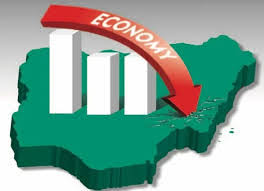 >
>
The connection is fairly obvious. When businesses operate under the shadow of potential disruption or violence, investments dry up. People are less likely to travel and spend and agricultural output suffers. It’s difficult to build a thriving economy when the very foundation of safety and stability is cracked. Adeleye’s suggestion of a joint military exercise with the United States, while perhaps politically charged, highlights the urgency he, and many others, feel.
The nation’s economic data suggests a recovery since the World Stage Economic Summit (WES) of 2024. This should be encouraging. Increased foreign reserves and a more stable foreign exchange rate are positive indicators. Still, these improvements seemingly haven’t trickled down to the average citizen.
Four major tax reforms enacted in June 2025 aimed to boost revenue collection. However, these reforms, coupled with high inflation and a weakened currency, have squeezed household purchasing power. Nigerians are forced to make tough choices, rationing food and seeking cheaper alternatives. This situation begs a question: are current economic strategies truly benefiting the majority, or are they primarily serving a select few?>
The World Bank offers a glimmer of hope, projecting modest acceleration in growth if the country maintains monetary discipline and enacts structural reforms. It’s the same prescription we’ve heard before. Promises of future gains are difficult to swallow when people struggle to afford necessities today. The persistent gap between macroeconomic indicators and the daily realities of Nigerians requires careful thinking.
Adeleye also pointed out a critical paradox: many Nigerians are working, but their standard of living remains poor. The available jobs aren’t good enough, a symptom of a deeper structural problem. Despite some industrial transformation, the pace isn’t fast enough to fuel substantial economic take-off. Low-quality jobs, characterized by high informality, remain prevalent. This indicates a need to focus on job creation. We also need an examination of education and skills development initiatives. Perhaps, we can equip more Nigerians with the tools needed to access higher-paying, more secure employment.
Government reforms like subsidy removal and exchange rate unification are designed to stabilize the economy. Yet, these measures can have immediate, painful consequences for ordinary citizens. It demands careful navigation to balance long-term economic goals with the immediate needs of the population.
Having observed similar patterns in developing economies, I’m cautiously optimistic. Macroeconomic stability is crucial, but it’s not the entire story. You cannot ignore the human element. Economic policies must be people-centered, considering the impact on livelihoods and striving to create opportunities for all.
Nigeria’s path to sustainable prosperity hinges on several factors. First, the government must aggressively tackle insecurity. Without a safe and stable environment, economic progress will remain elusive. Secondly, they must prioritize job creation, focusing on industries that can provide decent wages and opportunities for advancement. Thirdly, they must invest in education and skills development, equipping Nigerians with the tools needed to succeed in a rapidly changing global economy.
Moreover, there’s a need for transparency and accountability in governance. Corruption drains resources and undermines trust, hindering economic development. It’s also paramount to foster a more inclusive economy, ensuring that the benefits of growth are shared more equitably.
Addressing these challenges requires a holistic approach, one that involves collaboration between the government, the private sector, and civil society. It demands innovation, creativity, and a willingness to challenge the status quo. It also requires a commitment to putting the needs of the Nigerian people first.
Nigeria has the potential to become an economic powerhouse. Yet, unlocking this potential requires more than just macroeconomic reforms. It demands a fundamental shift in mindset, a recognition that economic progress is inseparable from social progress. This is only accomplished with policies that prioritize the well-being of all citizens.

![[post_title]](https://samony.com.ng/wp-content/uploads/2025/12/1764889481_Minnesota-schools-forced-into-lockdown-as-mountain-lion-roams-through-300x200.png?lm=6932138D "Mountain Lion Lockdown: Are Duluth Schools Ready for Wild Encounters?")
![[post_title]](https://samony.com.ng/wp-content/uploads/2025/12/Miley-Cyrus-Confirms-Engagement-To-Musician-Maxx-Morando-After-Four-Year-300x200.jpg?lm=693214BF "Miley’s Engaged: Is This What True Love in Hollywood Looks Like Now?")


![[post_title]](https://samony.com.ng/wp-content/uploads/2025/12/Ruben-Amorim-provides-details-on-Matthijs-De-Ligts-injury-300x169.jpg?lm=6931FE5C "Youth Opportunity or Tactical Risk: Navigating United’s Defensive Void")

![[post_title]](https://samony.com.ng/wp-content/uploads/2025/12/Cruzeiro-explica-ausencia-de-zagueiro-contra-o-Botafogo-pelo-Brasileiro-1024x614.jpg?lm=69321AD8 "Cruzeiro Defender’s Absence Highlights Team Strategy and Player Well-being Trends")
![[post_title]](https://samony.com.ng/wp-content/uploads/2025/12/Bandits-strike-in-Kwara-abduct-2-Chinese-nationals-from-construction-1024x512.jpg?lm=69321B26 "Kwara Kidnappings: Banditry and Security Crisis Deepen")
![[post_title]](https://samony.com.ng/wp-content/uploads/2025/12/1764889481_Minnesota-schools-forced-into-lockdown-as-mountain-lion-roams-through-1024x683.png?lm=6932138F "Mountain Lion Lockdown: Are Duluth Schools Ready for Wild Encounters?")
![[post_title]](https://samony.com.ng/wp-content/uploads/2025/12/Miley-Cyrus-Confirms-Engagement-To-Musician-Maxx-Morando-After-Four-Year-1024x683.jpg?lm=693214BF "Miley’s Engaged: Is This What True Love in Hollywood Looks Like Now?")
