

Analyzing Nigeria’s CPC Delisting: More Than Meets the Eye?
Nigeria’s journey with the “Country of Particular Concern” (CPC) designation from the US, and its subsequent delisting, sparks crucial questions about religious freedom, diplomacy, and the complexities of international relations. Hearing former Secretary to the Government of the Federation, Boss Mustapha, recount how the Buhari administration achieved that delisting provides a certain perspective, but it’s essential to examine the wider context.
The initial CPC designation, triggered by concerns over religious freedom violations, put Nigeria in a challenging position. No nation wants to be viewed as a violator of fundamental rights. It signaled potential economic sanctions and damaged Nigeria’s international reputation. These designations, while intended to encourage better behavior, often bring unintended consequences.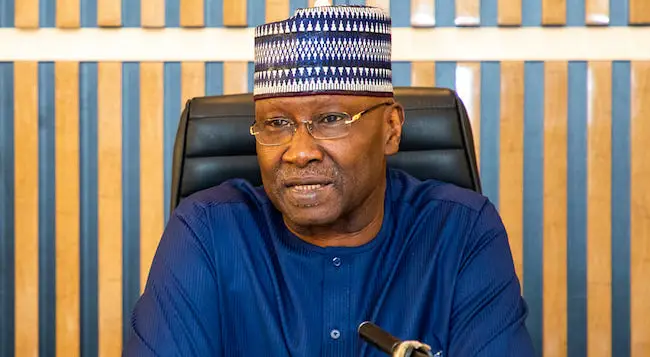 >
>
Mustapha emphasizes the importance of “discreet and sustained diplomatic engagement.” I get that. Public confrontations rarely yield positive outcomes in these scenarios. Quiet diplomacy, building trust, and demonstrating tangible improvements are often more effective. But, what specific actions constituted this engagement? That’s where the narrative often becomes less clear.
One has to wonder, was the delisting truly a result of improved religious freedom, or were other geopolitical factors at play? The US has strategic interests in Nigeria, particularly concerning counter-terrorism and economic partnerships. It’s naive to think these interests don’t influence decisions related to designations and delistings.
Now, the specifics of what Buhari’s government did, according to Mustapha, are interesting, but I’ve learned over time that government pronouncements need a healthy dose of skepticism. Were laws changed? Were policies implemented that demonstrably protected religious minorities? Or was it more about managing perceptions and presenting a more favorable image? We require specifics to assess true progress. >
>
This situation shines a light on the differing perspectives on religious freedom. What one nation considers persecution, another might see as legitimate law enforcement or cultural practice. It’s a minefield of differing values and interpretations. For instance, laws against blasphemy exist in several countries, and their application often raises concerns about religious freedom. Where do we draw the line between protecting religious sentiments and safeguarding freedom of expression?
Nigeria’s religious landscape is undeniably complex. The country faces real challenges, including clashes between different religious groups, issues of marginalization, and the rise of extremist ideologies. Pretending these issues don’t exist helps no one. Did the delisting mean these problems vanished? Certainly not.
The core issue is government accountability. It’s about creating an environment where all citizens, regardless of their religious beliefs, feel safe and protected. This demands more than just pronouncements; it requires concrete actions, impartial law enforcement, and a commitment to justice. I have seen such promises break before, so my healthy cynicism is not out of place.
It is possible that the delisting reflected genuine progress, even if incremental. Perhaps the Buhari administration took steps to address some of the US’s concerns. Yet, sustainable progress demands more than short-term fixes aimed at appeasing international pressure. It necessitates a fundamental shift in attitudes and policies that prioritize inclusivity and respect for diversity.
Looking ahead, the current administration faces the challenge of building on any progress made while also addressing the systemic issues that led to the initial CPC designation. A commitment to transparency and accountability is vital. Civil society organizations and religious leaders must be actively involved in monitoring and evaluating the government’s efforts to protect religious freedom.
Frankly, what seems clear to me after watching these dynamics for a while is that the US-Nigeria relationship, like many international relationships, involves a delicate dance of diplomacy, strategic interests, and competing values. The CPC designation and subsequent delisting are merely a chapter in this ongoing story. It’s a story with layers of truth, half-truths, and political maneuvering.
Ultimately, whether the delisting represents genuine progress in religious freedom remains to be seen. Time, along with continued scrutiny and engagement from both within and outside Nigeria, will tell. And Nigerians have a crucial role in pushing for sustainable change and holding their government accountable. After all, “discreet and sustained diplomatic engagement” is fine, but it shouldn’t come at the expense of transparency and the well-being of Nigerian citizens.
The conversation around religious freedom in Nigeria must continue, not as a point of international contention, but as a national imperative. It’s not just about avoiding sanctions; it’s about building a more just and equitable society for all Nigerians, no matter what they believe.

![[post_title]](https://samony.com.ng/wp-content/uploads/2025/12/1764926114_Im-A-Celeb-reveals-major-rule-change-for-campmates-just-300x158.jpg?lm=6932A2A6 "Jungle Signals: Decoding Reality TV’s Evolution Through “I’m A Celeb”")
![[post_title]](https://samony.com.ng/wp-content/uploads/2025/12/Speaker-15-Rivers-Assembly-members-officially-dump-PDP-join-APC-300x162.jpg?lm=6932BF9C "Rivers Assembly Defections: APC Gains, PDP Faces Crisis")

![[post_title]](https://samony.com.ng/wp-content/uploads/2025/12/1764933190_Trump-administration-confirms-major-expansion-of-travel-ban-300x200.jpg?lm=6932BE49 "U.S. Travel Ban Expansion: Implications and Global Context")
![[post_title]](https://samony.com.ng/wp-content/uploads/2025/12/Microsoft-finally-has-a-better-looking-Run-dialog-for-Windows-300x156.jpg?lm=6932BB36 "Windows 11 Run: Modernization or Makeover?")
![[post_title]](https://samony.com.ng/wp-content/uploads/2025/12/Websites-back-online-as-Cloudflare-issues-fix-for-dashboard-issue-300x169.jpeg?lm=6932A8F6 "Internet Infrastructure: Centralization’s Cracks")

![[post_title]](https://samony.com.ng/wp-content/uploads/2025/12/Galatasaray-seek-to-get-back-in-groove-as-unbeaten-Samsunspor-1024x576.jpg?lm=6932C54C "Galatasaray and Samsunspor Clash: Süper Lig Showdown")
![[post_title]](https://samony.com.ng/wp-content/uploads/2025/12/1764926114_Im-A-Celeb-reveals-major-rule-change-for-campmates-just-1024x538.jpg?lm=6932A2A6 "Jungle Signals: Decoding Reality TV’s Evolution Through “I’m A Celeb”")
![[post_title]](https://samony.com.ng/wp-content/uploads/2025/12/Speaker-15-Rivers-Assembly-members-officially-dump-PDP-join-APC.jpg?lm=6932BF9B "Rivers Assembly Defections: APC Gains, PDP Faces Crisis")
