

Christian Genocide Claims and Social Media Censorship: A Troubling Pattern?
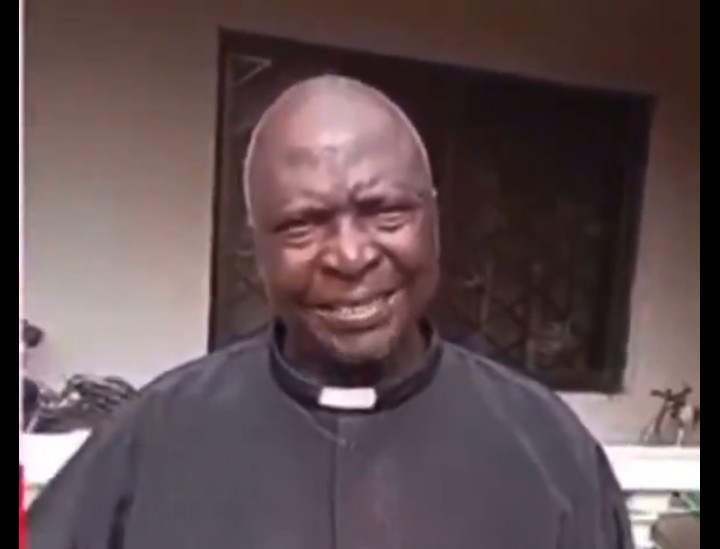
The claim of a “Christian genocide” in Nigeria is a highly charged one, demanding careful scrutiny. Rev. Ezekiel Dachomo, a prominent cleric from Plateau State, has become a central figure in this narrative, alleging a systematic targeting of Christians. But is the situation as clear-cut as it seems? Recent reports indicate that Rev. Dachomo’s social media pages are being taken down, which he attributes to his outspoken stance on the alleged killings. He claims this is a deliberate effort to silence him.
It’s worth noting that social media censorship, whether perceived or real, is never a simple issue. Tech platforms often cite violations of community standards, hate speech policies, or the spread of misinformation as justification for removing content. Yet, these standards are frequently subjective, open to interpretation, and can be influenced by political pressures or reporting campaigns.
Dachomo is on record asserting that he’s received threats and warnings from figures within President Bola Tinubu’s administration, urging him to cease his advocacy. He maintains that these officials believe he is “demarketing Nigeria” on a global scale. If true, this raises serious questions about freedom of speech and the government’s role in shaping public discourse, particularly regarding sensitive issues of religious violence.
However, before jumping to conclusions, several factors warrant consideration. Is Dachomo’s narrative fully accurate? Are his claims of widespread Christian killings supported by verifiable evidence and independent sources? It’s crucial to evaluate the context. Plateau State, and indeed much of Nigeria, has a long and complex history of inter-religious and ethnic conflict. Attributing violence solely to religious persecution might oversimplify a multifaceted reality where land disputes, economic inequalities, and political rivalries also play significant roles.
The deletion of social media pages, while concerning, requires a deeper investigation. Did Dachomo’s posts genuinely violate platform policies regarding hate speech, incitement to violence, or misinformation? Or is he being unfairly targeted for expressing dissenting views? Social media platforms’ transparency on these decisions is sorely lacking, fueling mistrust.
Having observed similar situations play out in other contexts, I’ve learned to approach such claims with a healthy dose of skepticism. It’s not unusual for individuals or groups to frame their grievances in ways that garner international attention and support. Using emotionally charged language like “genocide” can be a tactic to amplify their message, even if the situation on the ground is more nuanced.
To be clear, the loss of life, regardless of religious affiliation, is a tragedy. Violence against any community must be condemned unequivocally. Still, responsible reporting demands accuracy and context. The complexities within Nigeria are easily overlooked.
The rise of social media amplifies these issues. It provides a platform for marginalized voices, yet it can also become a breeding ground for misinformation, extremism, and inflammatory rhetoric. The question becomes: how do we balance the need to protect freedom of expression with the responsibility to prevent the spread of hate speech and incitement to violence?
This challenge highlights the delicate dance between state power, free speech, and social media platforms. The narrative of “Christian genocide” may serve specific political agendas. Conversely, attempts to silence voices like Dachomo’s might be perceived as an attempt to suppress legitimate grievances. It’s hard to tell who has an agenda, or not.
There is no simple solution. Independent investigations, thorough fact-checking, and open dialogue are crucial. International organizations, human rights groups, and journalists must investigate the situation on the ground in Nigeria. We need accurate, unbiased information to understand the true nature and extent of the violence.
The responsibility also falls on social media platforms. They must be more transparent about their content moderation policies and ensure they are applied fairly and consistently, without bias towards any particular religious or political viewpoint. The future may hold an increased scrutiny of social media and the narratives it provides.
In any case, the case of Rev. Dachomo and the allegations of a “Christian genocide” in Nigeria demand our attention, not just because of the severity of the claims but also because of the broader implications for freedom of speech, social media regulation, and the way we understand and respond to complex conflicts around the world. It’s a pattern we’ve seen before, and it underscores the importance of critical thinking, independent verification, and a balanced perspective. One hopes it won’t continue.
Keywords: Christian genocide Nigeria, social media censorship, Rev Dachomo, Nigeria killings, freedom of speech, religious violence, misinformation, Plateau State

![[post_title]](https://samony.com.ng/wp-content/uploads/2025/11/1764529159_A-womans-body-was-found-floating-in-San-Francisco-Bay-300x200.jpeg?lm=692C940B "Nancy Galvani Case: Justice Delayed?")
![[post_title]](https://samony.com.ng/wp-content/uploads/2025/11/Police-arrests-suspected-electric-cable-vandal-in-Jigawa-300x169.jpg?lm=692C9449 "Jigawa’s Electric Cable Theft: Unveiling Systemic Issues")
![[post_title]](https://samony.com.ng/wp-content/uploads/2025/11/Anita-Okoyes-Thanksgiving-video-sparks-concern-she-as-cooks-on-300x150.jpg?lm=692C94BD "Anita Okoye’s Thanksgiving: Sweet Family Moment or PR Play? 🤔")

![[post_title]](https://samony.com.ng/wp-content/uploads/2025/11/1764528662_Ginter-Punkte-aufholen-und-Stuck-fur-Stuck-nach-oben-schieben-300x169.jpg?lm=692C9219 "Freiburg’s Secret Weapon Against Mainz: Patience or Power?")
![[post_title]](https://samony.com.ng/wp-content/uploads/2025/11/1764528805_You-need-to-read-the-treatise-on-spacing-out-Bored-300x158.jpg?lm=692C92A8 "Reclaiming Focus: How Intentional Boredom Fuels Innovation in a Noisy World")

![[post_title]](https://samony.com.ng/wp-content/uploads/2025/11/Fatih-Karagumruk-0-2-Besiktas-Super-Lig-maci-ozeti.jpg?lm=692C99A4 "Beşiktaş Edges Karagümrük: Was It Really That Convincing?")
![[post_title]](https://samony.com.ng/wp-content/uploads/2025/11/Real-world-testing-shows-which-vehicle-models-emit-more-of-the.jpeg?lm=692C938F "Car Emissions: Unveiling the NOx Danger and Australia’s New Standards")
![[post_title]](https://samony.com.ng/wp-content/uploads/2025/11/1764529159_A-womans-body-was-found-floating-in-San-Francisco-Bay-1024x683.jpeg?lm=692C940F "Nancy Galvani Case: Justice Delayed?")
![[post_title]](https://samony.com.ng/wp-content/uploads/2025/11/Police-arrests-suspected-electric-cable-vandal-in-Jigawa-1024x576.jpg?lm=692C9449 "Jigawa’s Electric Cable Theft: Unveiling Systemic Issues")
