

![[post_title]](https://samony.com.ng/wp-content/uploads/2025/11/1764247719_Nigeria-Clinches-Hosting-Rights-for-Inaugural-African-Boxing-Congress-Set.jpeg?lm=692848A9)
Nigeria’s Boxing Ambition: Hosting Rights and a Continental Power Play?
Nigeria landing the inaugural African Boxing Congress is certainly a noteworthy development. The buzz around this event, set for Lagos in late 2025, is undeniable, painting a picture of the nation becoming a powerhouse in Olympic-style boxing across the continent. They’re talking leadership, influence, and a potential springboard to hosting the 2028 Olympic qualifiers. That’s a bold vision.
The initial reports suggest Nigeria secured the hosting rights based on its “strategic” importance and ability to advance boxing in Africa. This certainly sounds promising on paper. The appointment of an NBF Vice President to a key African Boxing committee adds another layer to this narrative of growing influence. >
>
Yet, I’ve seen these narratives play out before. Big announcements, promises of development, and the aura of international prestige. The question that lingers: what does this actually mean for the athletes, the coaches, and the grassroots development of boxing in Nigeria? Does it translate to tangible improvements, increased funding, better training facilities, and more opportunities for Nigerian boxers to compete on the world stage?
It’s worth acknowledging the potential upsides. Hosting the African Boxing Congress could definitely attract investment, boost tourism, and raise the profile of boxing within the country. Securing the African headquarters in Lagos, as touted, would further cement Nigeria’s central role. More importantly, it provides the opportunity to unlock some developmental programs, strengthen pathways for home-grown athletes, and also accelerate the nation’s ambition in Olympic-style boxing.
However, let’s inject some realism. Hosting a successful congress demands meticulous planning, significant resources, and a level of organizational prowess that hasn’t always been consistently demonstrated in similar ventures across the region. The ability to manage logistics, secure funding, and ensure transparency will be critical.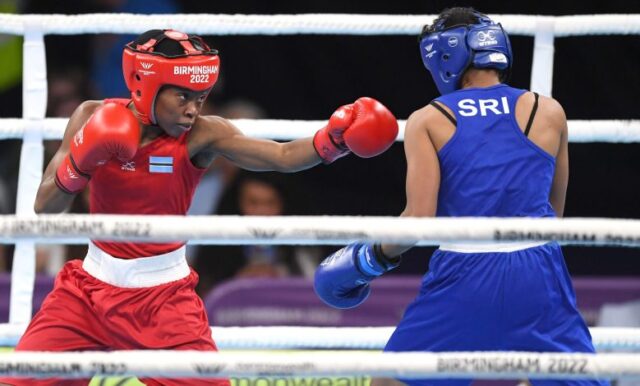 >
>
The suggestion that this move positions Nigeria to host the 2028 Olympic qualifiers is interesting. It’s a definite possibility. Yet, one should consider the fierce competition for such events. The international boxing landscape is complex and influenced by factors beyond mere hosting capabilities. Political considerations, lobbying efforts, and existing relationships all play a role.
Still, what would be most important is how the event trickles down to benefit the local boxing scene. Will there be more opportunities for young boxers to train and compete? Will the quality of coaching improve? Will there be a greater investment in infrastructure at the grassroots level? I think these are the questions that should be posed to ensure the dreams and promise of the boxing stakeholders are realised.
It’s also important to remember that sports federations, like any organization, are subject to internal politics, power struggles, and potential corruption. The NBF is led by a politician, Hon. Wale Edun, which raises the question of whether the focus is genuinely on the sport’s development or on leveraging it for political gain. That’s not necessarily a criticism, but it’s a reality to consider.
Frankly, I’d like to see some detailed plans outlining exactly how the NBF intends to translate this hosting opportunity into tangible benefits for Nigerian boxers. Promises are great, but concrete action plans are better. The Nigerian sports scene is littered with projects that started with great enthusiasm but fizzled out due to mismanagement or a lack of follow-through.
Given these facts, it would be great if the NBF can prioritize the development of a sustainable boxing ecosystem. This includes investing in coach education, providing access to quality equipment, establishing robust anti-doping programs, and creating clear pathways for athletes to progress from the amateur ranks to the professional level.
This challenge requires strong governance, transparent financial management, and a commitment to fair play. The focus should be on fostering a culture of excellence, promoting ethical behavior, and ensuring that all stakeholders are held accountable.
To that end, the hosting of the African Boxing Congress is not simply a celebratory moment; it represents an opportunity to do some introspection. The federation needs to demonstrate a willingness to learn from past mistakes, address existing shortcomings, and embrace best practices in sports administration.
Nigeria has the potential to become a true force in African boxing. The country possesses a wealth of talent, a passionate fan base, and a strategic location. Yet, realizing this potential requires more than just hosting prestigious events. It demands a long-term vision, a commitment to excellence, and a dedication to serving the needs of the boxing community.
It’s a wait-and-see situation, then. I’ll be watching closely to see if Nigeria can walk the walk and transform this hosting opportunity into a genuine boost for its boxing future. The athletes, after all, deserve nothing less.

![[post_title]](https://samony.com.ng/wp-content/uploads/2025/12/Peter-Obi-reacts-to-distribution-of-2027-campaign-vehicles-for-300x166.jpeg?lm=6931A32F "Obi Slams Tinubu’s Luxury Vehicles: Is Nigeria’s Trust Broken Again?")
![[post_title]](https://samony.com.ng/wp-content/uploads/2025/12/Why-Does-Yogurt-Hurt-My-Stomach-300x169.jpg?lm=6931A158 "Yogurt Hurts Your Stomach? Here’s Why")
![[post_title]](https://samony.com.ng/wp-content/uploads/2025/12/FBI-announces-arrest-of-suspect-who-left-pipe-bombs-in-300x200.jpg?lm=6931A1B2 "Okay, they finally made an arrest in the January 6th pipe bomb case, but is something still off?")
![[post_title]](https://samony.com.ng/wp-content/uploads/2025/12/1764860569_Prince-Harry-makes-surprise-TV-appearance-as-father-in-law-in-intensive-300x158.jpg?lm=6931A29B "Prince Harry’s Colbert Cameo: A Calculated Move or Royal Overexposure?")
![[post_title]](https://samony.com.ng/wp-content/uploads/2025/12/1764854990_Police-officers-attached-to-VIPs-now-wear-suits-to-bypass-300x162.jpg?lm=69318CD2 "Nigeria’s VIP Security Dilemma: Reform and Resistance")

![[post_title]](https://samony.com.ng/wp-content/uploads/2025/12/Peter-Obi-reacts-to-distribution-of-2027-campaign-vehicles-for-1024x565.jpeg?lm=6931A32F "Obi Slams Tinubu’s Luxury Vehicles: Is Nigeria’s Trust Broken Again?")
