

![[post_title]](https://samony.com.ng/wp-content/uploads/2025/12/1764561601_Bandits-abduct-pastor-wife-parishioners-in-Kogi-1024x422.jpg?lm=692D12C2)
Bandits Intensify Attacks: A Critical Look at Nigeria’s Escalating Security Crisis
A wave of kidnappings and banditry is sweeping across Nigeria, impacting everyday life from Kogi State to Sokoto, and raising serious questions about the government’s ability to safeguard its citizens. News reports paint a grim picture: a pastor and his wife snatched from their church in Kogi, a bride-to-be abducted with her bridesmaids in Sokoto, and a 60-year-old woman killed in Kano. These aren’t isolated incidents. They illustrate a worrying trend of escalating violence.
What’s fueling this surge? The reasons are complex, and blaming it solely on “bandits” simplifies a deeply entrenched problem. Consider the reports detailing long-standing farmer-herder conflicts, now morphing into organized crime. Or think about the porous borders that allow criminal elements to move freely between states. These suggest failures in governance, resource management, and security strategy. >
>
Kogi State Under Siege
Take Kogi State. Recent events show an alarming increase in attacks. Bandits struck a Cherubim and Seraphim Church in Ejiba Community, abducting the pastor, his wife, and worshippers during a service. This occurred shortly after a similar ambush along the Isanlu-Makutu-Idofin road where travelers were taken captive. The response by security forces, including military intervention, led to some rescues. Yet, these are reactive measures. They don’t address the root causes that allow these criminal enterprises to flourish.
The Kogi State government, acknowledges the severity of the situation. They’ve deployed security forces and pledged to carry the fight to the bandits. Yet, Governor Ododo’s directive for churches, mosques, and event centers to end activities by 4 pm daily, indicates a level of desperation, raising serious questions about the extent of government control.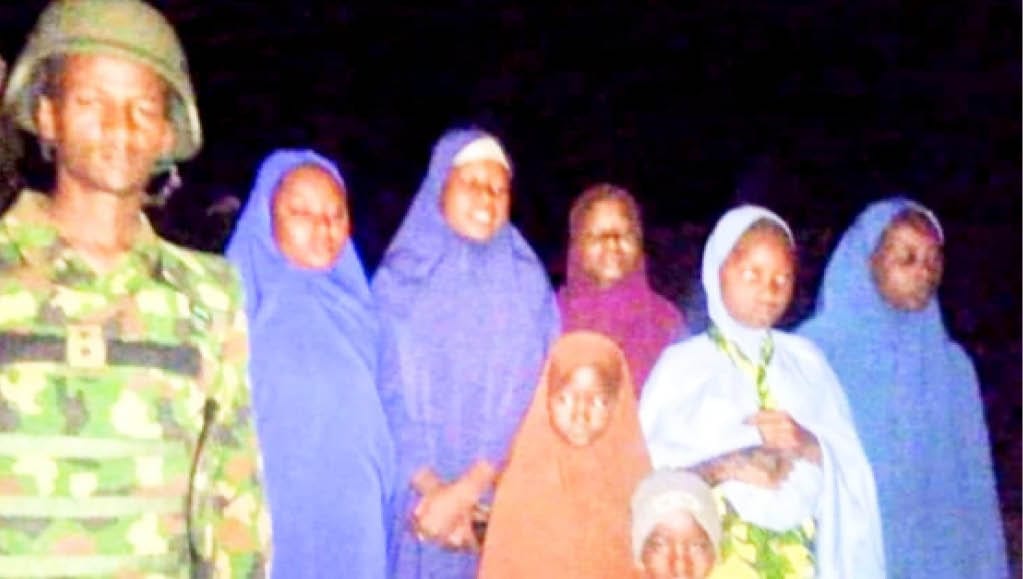 >
>
Sokoto Mourns a Stolen Wedding
The situation in Sokoto State is no less concerning. Bandits raided Chacho village, abducting a bride and her bridesmaids just hours before her wedding. It’s hard to imagine the terror and devastation this inflicts on a community. What message does this send about the safety of women and the sanctity of marriage?
The Sokoto State Police Command confirmed the incident, but delayed response times raise serious concerns about their readiness. Community members express frustration, appealing to the government to protect lives and property. These cries reveal a deep-seated lack of faith in the authorities.
Kano’s Border Woes
In Kano State, bandits killed a 60-year-old woman in Yankamaye village and abducted others. Troops from Operation MESA responded, rescuing some victims. Still, the bandits’ escape towards Katsina State highlights the challenge of securing the porous borders between states. Deputy Senate President Senator Barau I. Jibrin has called for intensified efforts to combat the criminals. However, his plea might be another in a long line of empty promises unless concrete action follows.
Beyond the Headlines: The Underlying Issues
These incidents point to a troubling narrative. Nigeria’s security architecture appears to be struggling, particularly in rural areas. What explains the delayed responses by security forces? Is it a lack of resources, poor coordination, or something more systemic? And why are bandit groups able to operate with such impunity, crossing state lines and terrorizing communities?
Pastor Tunde Bakare’s assessment is particularly sharp. He describes the surge in banditry and terrorism as “the height of government’s failure,” attributing it to unresolved political, structural, and moral crises. I’ve witnessed similar trends in other contexts. Reactive measures rarely work in the long run. Sustainable solutions require addressing underlying grievances, strengthening governance, and fostering trust between communities and the state.
It’s worth noting the government’s perspective. Officials often point to successes in combating terrorism and banditry, citing the arrest of high-profile criminals and the recovery of stolen weapons. But these claims need scrutiny. How effective are these operations in dismantling entire criminal networks? What measures are in place to prevent these networks from re-emerging?
To truly turn the tide, Nigeria needs more than just military operations. They need a comprehensive strategy that addresses the root causes of insecurity: poverty, inequality, lack of opportunity, and weak governance. This includes:
Investing in education and job creation: Providing alternatives to crime for young people. Strengthening local governance: Empowering communities to manage their own affairs and resolve disputes peacefully. Improving intelligence gathering: Enhancing the ability to detect and disrupt criminal networks before they strike. Promoting reconciliation: Addressing the underlying tensions between different ethnic and religious groups.
The challenges are significant. Corruption, political interference, and a lack of accountability continue to undermine security efforts. Yet, without fundamental change, Nigeria risks descending further into chaos.
It’s a critical moment. Nigerians are losing faith in their government’s ability to protect them. The time for incremental fixes is over. A bold, comprehensive approach is needed to restore security, rebuild trust, and create a more just and equitable society. The alternative is simply unacceptable.

![[post_title]](https://samony.com.ng/wp-content/uploads/2025/12/Australias-cervical-cancer-breakthrough-faces-major-challenge.jpg_s1024x1024wisk20csnB8Q5F6NUt2HSyRp-300x148.jpeg?lm=692D17A1 "Australia’s cervical cancer breakthrough faces major challenge")
![[post_title]](https://samony.com.ng/wp-content/uploads/2025/12/1764561478_Lisa-Riley-Im-A-Celeb-moment-leaves-fellow-Emmerdale-star-300x158.jpg?lm=692D1249 "Lisa Riley I’m A Celeb moment leaves fellow Emmerdale star Dominic Blunt heartbroken")
![[post_title]](https://samony.com.ng/wp-content/uploads/2025/12/1764559998_EFCC-disowns-Peter-Okoyes-800k-fraud-claim-against-brothers-Jude-300x169.png?lm=692D0C81 "EFCC Casts Doubt on Peter Okoye’s $800k P-Square Fraud Claim")

![[post_title]](https://samony.com.ng/wp-content/uploads/2025/12/PDP-Accuses-FG-Of-Using-Weak-Approach-That-Empowers-Bandits-300x166.jpg?lm=692D0B04 "Nigeria’s Security Crisis: Is the Government’s Approach Empowering Bandits and Terrorists?")


![[post_title]](https://samony.com.ng/wp-content/uploads/2025/12/Here-are-50-standout-deals-under-100-were-eyeing-for-1024x532.jpg?lm=692D16FA "Here are 50 standout deals under $100 we’re eyeing for Cyber Monday")
![[post_title]](https://samony.com.ng/wp-content/uploads/2025/12/Australias-cervical-cancer-breakthrough-faces-major-challenge.jpg_s1024x1024wisk20csnB8Q5F6NUt2HSyRp-1024x506.jpeg?lm=692D17A1 "Australia’s cervical cancer breakthrough faces major challenge")
![[post_title]](https://samony.com.ng/wp-content/uploads/2025/12/1764561478_Lisa-Riley-Im-A-Celeb-moment-leaves-fellow-Emmerdale-star-1024x538.jpg?lm=692D1249 "Lisa Riley I’m A Celeb moment leaves fellow Emmerdale star Dominic Blunt heartbroken")
