Analyzing Nigeria’s Armed Forces Remembrance Day: A Critical Look at Industry Developments and National Security
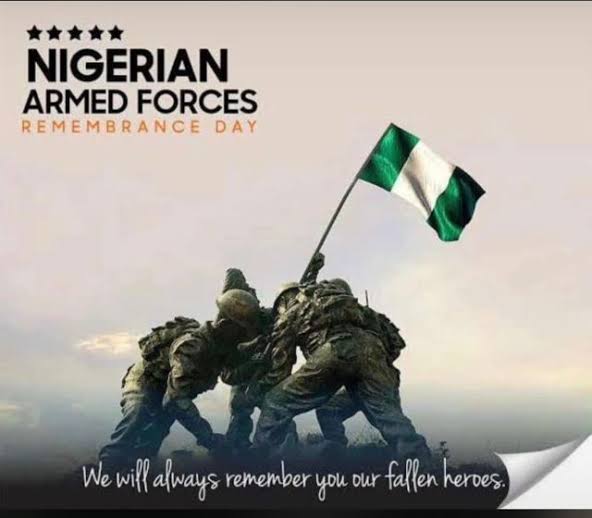
Nigeria recently launched the 2026 Armed Forces Remembrance Day emblem appeal, an event that always prompts reflection. The stated goal? To support veterans, fallen heroes, and troops currently battling insecurity. President Tinubu himself launched the emblem, underscoring the importance his administration places on this.
Each year, the Remembrance Day serves as a solemn reminder of the sacrifices made by the armed forces. It’s a tradition, a way to publicly acknowledge their service in defending Nigeria’s peace, unity, and territorial integrity. The President’s remarks touched on the need to honor those who have fallen, support the wounded, and care for those still serving. It’s a powerful sentiment, but what does it translate to on the ground? >
>
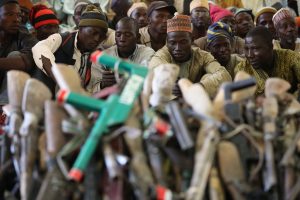
Tinubu specifically highlighted the military’s efforts against terrorism, insurgency, and banditry. He painted a picture of resilience and progress, citing improved collaboration among security agencies. This has supposedly led to the surrender of insurgents, the elimination of terrorist leaders, and the rescue of captives. In the maritime domain, the narrative focused on curbing oil theft and piracy through enhanced resources for the Army, Navy, and Air Force.
These are encouraging claims. Yet, skepticism is warranted. Anyone following Nigerian news knows the security situation remains incredibly complex and fluid. While the government touts successes, reports of attacks, kidnappings, and communal violence continue to surface regularly. The reality, I suspect, is more nuanced than the official narrative suggests.
Then there’s the plan to deploy retired military personnel to reclaim ungoverned spaces. The intention – strengthening security, reviving local economies – sounds promising. Still, one wonders about the practical challenges. How will these veterans be integrated into communities? What resources and authority will they have? And how will this initiative avoid becoming another layer of bureaucracy susceptible to corruption?>
One initiative that caught my eye is the introduction of a “Thank a Soldier” digital platform with a QR code. The aim is to encourage youth engagement and digital participation in national service. The idea seems modern and inclusive. It’s an attempt to bridge the gap between the military and the younger generation using technology they’re already familiar with. Whether it can genuinely cultivate a sense of national service and gratitude remains to be observed.
The President’s call for Nigerians to embrace unity and reject divisive rhetoric is a familiar refrain. It’s a sentiment one hears often in Nigeria, and for good reason. The country’s diversity can be a strength, but it’s also a potential source of conflict. Whether the appeal for unity can truly resonate amidst the country’s myriad challenges – economic hardship, political tensions, ethnic divisions – is a big question.
On the resource front, Tinubu pledged his commitment to equipping and motivating the military, citing enhanced allowances, upgraded barracks, strengthened healthcare, expanded health insurance, and biometric pension verification. These are long-standing issues. Successive governments have made similar promises. Whether this administration can deliver tangible improvements and ensure these resources reach the intended recipients remains to be seen. The track record on such things has been spotty in the past.
The donations made at the emblem launch – N200 million from the President, N100 million from the Senate President, and N20 million from the Minister of the FCT – are noteworthy. It sets a precedent and encourages others to contribute. Yet, the real test lies in how these funds are managed and how effectively they translate into support for veterans and serving troops. Transparency and accountability are essential here.
Considering recent trends in defense and security, there are some interesting parallels. The push for digital engagement reflects a broader movement towards leveraging technology in national security. The emphasis on welfare improvements echoes similar efforts in other countries to attract and retain military personnel. However, Nigeria’s specific context – its unique security challenges, its socio-economic realities, its history of corruption – means that these strategies need to be adapted and implemented carefully. What works elsewhere may not necessarily work here.
Looking ahead, there are several key indicators to watch. Has the security situation truly improved in the coming year, or are the gains more cosmetic than substantive? Are the welfare improvements for military personnel actually making a difference in their lives? Is the “Thank a Soldier” platform fostering a genuine sense of connection between the military and the public? The answers to these questions will determine the true success of this Remembrance Day and the initiatives it spawned.
This Armed Forces Remembrance Day, like others before it, serves as a reminder of the ongoing challenges facing Nigeria. While expressions of gratitude and pledges of support are welcome, it’s ultimately the government’s actions, its ability to deliver on its promises, that will matter most. The sacrifices of the armed forces demand more than just words; they demand concrete action. Time will tell whether this administration is up to the task.


![[post_title]](https://samony.com.ng/wp-content/uploads/2025/12/1764752038_Gary-Lineker-to-appear-on-Netflix-in-2026-World-Cup-300x202.jpg?lm=692FFAA9 "Lineker on Netflix? This Changes Everything About How We Watch Football.")