

![[post_title]](https://samony.com.ng/wp-content/uploads/2025/11/1764436125_Official-Tinubu-nominates-Fani-Kayode-Omokri-ex-governors-others-as-ambassadors-Full.jpg?lm=692B289D)
Analyzing Nigeria’s Ambassadorial Nominations: A Look Beyond the Headlines
President Tinubu’s recent unveiling of ambassadorial nominees has certainly ignited conversations across Nigeria. The mix of career diplomats and political figures is, frankly, not surprising. We’ve observed this pattern before – a blend of experience and political allegiance shaping Nigeria’s representation on the global stage.
It’s worth unpacking what this means. Nominating individuals like Fani-Kayode and Omokri, known for their strong opinions and media presence, raises eyebrows. Do these choices signal a strategy to project a specific narrative of Nigeria abroad? Or is it simply a reward for loyalty and political support? The former governor’s on the list also raise questions about their qualifications beyond political service.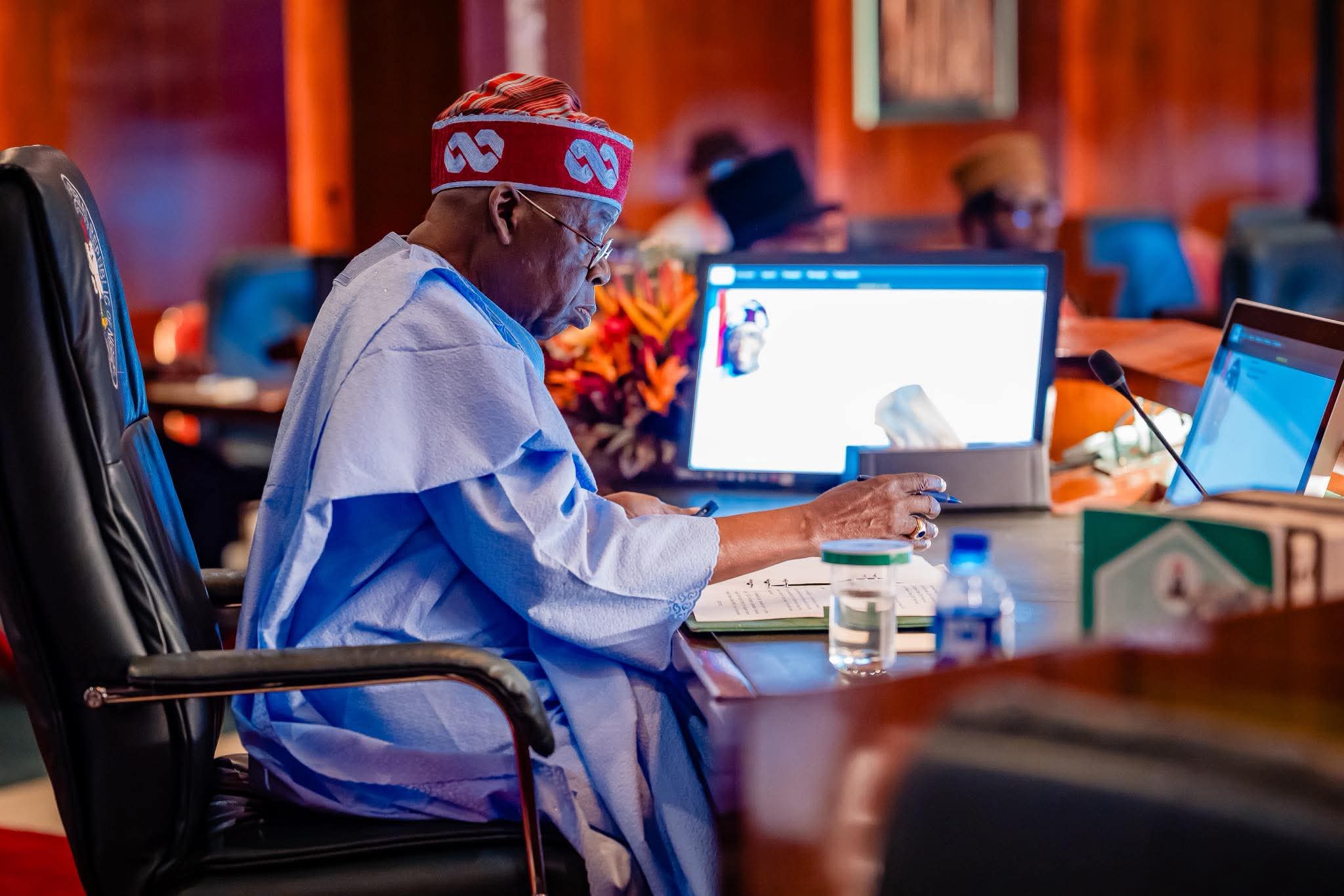 >
>
Career diplomats typically bring a deep understanding of international relations and protocol. Including experienced hands like Enebechi Monica Okwuchukwu is a pragmatic move. These individuals have spent years navigating complex diplomatic landscapes. Their institutional knowledge is vital for maintaining consistent foreign policy. Yet, their impact can be diminished if their voices are overshadowed by political appointees lacking diplomatic finesse.
The geographical spread of nominees – Abia to Adamawa – suggests an effort to ensure representation across Nigeria’s diverse states. This is politically astute. Every region wants a seat at the table. Still, representation alone doesn’t guarantee effective diplomacy. The real test lies in whether these ambassadors can truly advance Nigeria’s interests on a global scale.
One development that warrants attention is the ratio of women on both lists. While the non-career list edges out, it is imperative to examine the placement of all nominees. Are women being assigned to key strategic locations, or are they relegated to less influential posts? True progress demands more than just representation; it requires equitable opportunity and empowerment.>
These nominations arrive at a critical juncture for Nigeria. The nation grapples with economic challenges, security concerns, and the need to attract foreign investment. Nigeria requires representatives who can skillfully negotiate trade deals, advocate for its interests in international forums, and foster positive relationships with other nations.
The Senate’s role in confirming these nominations is vital. Senators should rigorously vet each candidate, probing their understanding of foreign policy, their vision for promoting Nigeria’s interests, and their ability to navigate complex geopolitical landscapes. Confirmation shouldn’t be a mere formality. It should be a thorough assessment of each nominee’s suitability for such a crucial role.
Looking at the bigger picture, Nigeria’s foreign policy needs clear objectives. What are the nation’s top priorities on the global stage? Trade? Security? Regional leadership? The choice of ambassadors should align with these objectives. Sending the wrong people could dilute our influence.
These appointments, when viewed through the lens of previous administrations, suggest a continuity of prioritizing political considerations alongside diplomatic expertise. This isn’t necessarily negative, but it demands careful consideration. Can these individuals truly represent Nigeria’s diverse population and interests, or will their performance be viewed as extensions of narrow political agendas?
It’s also crucial to equip these ambassadors with the necessary resources. A well-staffed embassy, adequate funding for diplomatic initiatives, and clear communication channels with the home government are essential for success. An ambassador is only as effective as the support system backing them.
The inclusion of figures like former INEC chair Mahmud Yakubu raises curious questions. What specific skills and experience does he bring to diplomacy? His background in electoral administration seems far removed from the intricacies of international relations. Yet, perhaps the government sees value in his administrative capabilities and ability to navigate complex systems.
In any case, Tinubu’s selections have presented an opportunity to reassess Nigeria’s diplomatic strategy. What kind of image does Nigeria want to project? What are its core interests? And who are the best individuals to advance those interests on the global stage? These are questions worth reflecting on as the Senate begins its confirmation process.
Ultimately, the success of these ambassadors will hinge on their ability to serve Nigeria, not just their political benefactors. Their actions will speak louder than any pre-appointment rhetoric. The world will be watching to see if these individuals can truly elevate Nigeria’s standing on the international stage. That’s the benchmark against which they should be measured.

![[post_title]](https://samony.com.ng/wp-content/uploads/2025/11/Los-once-elegidos-por-Julian-Calero-para-enfrentarse-al-Athletic-300x169.jpg?lm=692B23EF "Cutting Through the Noise: Real-World Takes on Industry’s Evolving Landscape")

![[post_title]](https://samony.com.ng/wp-content/uploads/2025/11/Solskjaer-Reveals-Which-Surprising-English-Club-He-Nearly-Joined-Before-300x169.jpeg?lm=692B2502 "Solskjaer to Wolves?! The Transfer That Almost Changed Football.")
![[post_title]](https://samony.com.ng/wp-content/uploads/2025/11/Naira-ends-week-with-N710-gain-as-FPI-inflows-hit-300x171.png?lm=692B2112 "Is Nigeria’s Economy Finally Turning a Corner? A Reality Check on the Naira’s Rise")


![[post_title]](https://samony.com.ng/wp-content/uploads/2025/11/1764435593_I-know-the-hurtful-reason-behind-Jeff-Braziers-feud-and-1024x538.jpg?lm=692B268C "Jeff Brazier’s Family Crumbles: Is Media Scrutiny Tearing Them Apart, Or Is It Unresolved Grief?")
![[post_title]](https://samony.com.ng/wp-content/uploads/2025/11/Los-once-elegidos-por-Julian-Calero-para-enfrentarse-al-Athletic-1024x576.jpg?lm=692B23EF "Cutting Through the Noise: Real-World Takes on Industry’s Evolving Landscape")
