

![[post_title]](https://samony.com.ng/wp-content/uploads/2025/11/1764491734_Heartbreaking-moment-female-military-officer-collapses-during-parade-1024x512.jpg?lm=692C01D7)
Analyzing the “Heartbreaking Moment”: More Than Just a Collapsed Officer
The recent video of a Nigerian female military officer collapsing during a parade quickly circulated online, triggering an outpouring of concern. The clip shows a tense moment; the officer, standing at attention, falters. A quick-thinking colleague prevents a serious fall. It’s a stark reminder of the human element often hidden beneath the crisp uniforms and disciplined formations of the armed forces.
The incident, while distressing, offers a window into broader issues within the military and perhaps society at large. Is this an isolated incident, or does it reflect systemic problems relating to the health and well-being of service members? Are there gaps in healthcare provisions? Are personnel pushed beyond reasonable limits? These questions warrant serious consideration.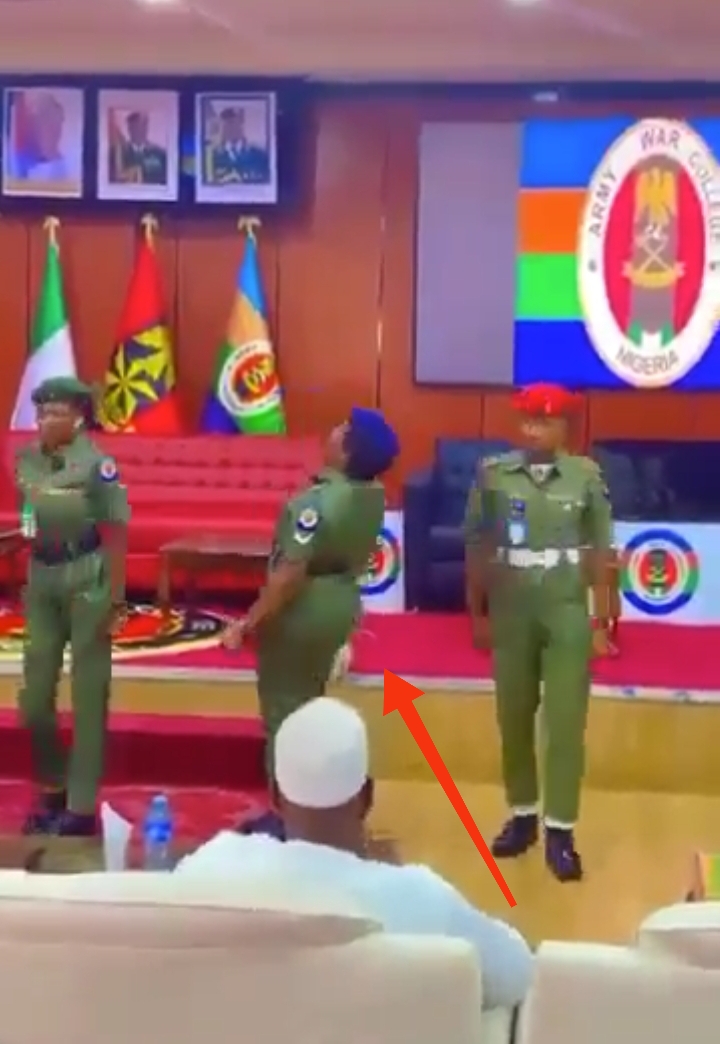 >
>
The online reactions, while empathetic, also point toward certain realities. The comments urging regular health checks are telling. There’s a prevailing sense that preventative care isn’t prioritized enough. The statement stressing that personal health outweighs workplace demands highlights a potential disconnect between duty and self-preservation. Such sentiments, aired publicly, suggest a need for the military to reassess its approach to soldier welfare.
Yet, it’s easy to jump to conclusions based on a single video. We don’t know the officer’s medical history. We’re unaware of the specific conditions that may have contributed to the collapse. It could be anything from heat exhaustion to an underlying condition. So, context is key.
That said, this incident echoes similar scenarios I’ve witnessed throughout my career – instances where individuals, driven by dedication or pressure, neglect their own well-being. The military environment, with its emphasis on discipline and resilience, can inadvertently foster a culture where seeking help is perceived as weakness. This perception, if left unaddressed, can have serious consequences.>
The speed at which this video went viral also speaks volumes about our digital age. Social media amplified the incident, transforming a personal event into a public spectacle. It’s a double-edged sword. On one hand, it raises awareness about potential issues. On the other, it subjects the individual involved to intense scrutiny and speculation.
It’s worth noting how the officer’s colleague reacted. The swift action averted a potentially worse outcome. It highlights the importance of camaraderie and mutual support within military units. Such bonds can be vital in challenging environments.
However, relying solely on anecdotal evidence and social media commentary paints an incomplete picture. More comprehensive data is needed. Studies examining the physical and mental health of military personnel, along with investigations into the resources available to them, would provide a more robust understanding of the situation. This is crucial for evidence-based policy-making.
What happened next? News outlets often chase the initial story, then move on to the next trending topic. We need to follow up. What support did the officer receive? What changes, if any, are being implemented as a result of this incident?
This event should prompt a wider conversation – one that extends beyond social media outrage and delves into systemic issues. This is more than just a viral video. It’s a potential signpost indicating deeper challenges within the military structure. Ignoring it would be a disservice to those who serve.
Given these facts, a thorough review of existing health and wellness programs within the Nigerian military is warranted. Are these programs adequately funded? Are they effectively reaching those who need them? Are there cultural barriers that prevent soldiers from seeking help? These are all questions that require honest and critical examination.
This challenge represents an opportunity for the military to demonstrate its commitment to the well-being of its personnel. By addressing the underlying issues that may have contributed to this incident, they can foster a healthier and more supportive environment for all service members. That’s an outcome we should all strive for. It’s about more than just preventing collapses. It’s about building a stronger, more resilient military force. It is about the human element. It is about saving lives.

![[post_title]](https://samony.com.ng/wp-content/uploads/2025/11/1764492234_Eben-Etzebeth-ban-How-many-games-could-Springboks-lock-miss-300x200.jpeg?lm=692C03CB "Rugby’s Ticking Time Bomb: Can the Sport Tackle Discipline Before It Explodes?")
![[post_title]](https://samony.com.ng/wp-content/uploads/2025/11/1764491474_Brits-favourite-candy-has-secret-names-and-youll-never-guess-300x158.jpg?lm=692C00D5 "Wait, Jelly Babies Have Names?! My Childhood Is a Lie!")


![[post_title]](https://samony.com.ng/wp-content/uploads/2025/11/PDP-Crisis-Deepens-As-Lamido-Bature-Insist-Damagum-Anyanwu-Remain-300x200.jpg?lm=692BFB3B "Nigeria’s PDP: Leadership Tussle Threatens Party Unity")
![[post_title]](https://samony.com.ng/wp-content/uploads/2025/11/Lionel-Messi-Sets-New-Record-as-Inter-Miami-Win-Eastern.avif.avif?lm=692BFC30 "Messi Effect: Is MLS Finally Reaching Its Tipping Point?")

![[post_title]](https://samony.com.ng/wp-content/uploads/2025/11/Nenadi-Usman-Led-LP-Faction-Submits-34-Member-Leadership-List-to-INEC.jpg?lm=692C02AB "Labour Party Leadership Battle: Usman Faction Submits Rival List to INEC")
![[post_title]](https://samony.com.ng/wp-content/uploads/2025/11/1764492234_Eben-Etzebeth-ban-How-many-games-could-Springboks-lock-miss-1024x683.jpeg?lm=692C03CB "Rugby’s Ticking Time Bomb: Can the Sport Tackle Discipline Before It Explodes?")
![[post_title]](https://samony.com.ng/wp-content/uploads/2025/11/1764491474_Brits-favourite-candy-has-secret-names-and-youll-never-guess-1024x538.jpg?lm=692C00D5 "Wait, Jelly Babies Have Names?! My Childhood Is a Lie!")
